The department issued $830 million in grants for improving roads, bridges, and other infrastructure vulnerable to extreme weather and other climate impacts.


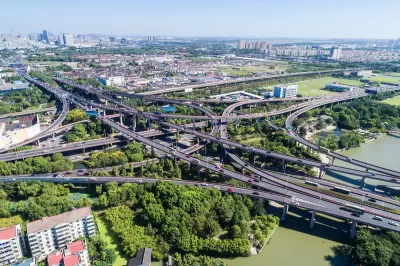
A new round of grants from the U.S. Department of Transportation (USDOT) targets projects that build resilience and make transportation infrastructure more resistant to the impacts of climate change, reports Susan Carpenter for Spectrum News. “The grants will go to 80 projects in 39 states, the District of Columbia and the Virgin Islands to address geographically specific issues, including $56 million to build a taller bridge in a flood-prone area of Cedar Rapids, Iowa, and $33 million to install a new drainage and sewer system to protect a subway line in New York City that serves one million riders daily.”
This marks the first time the federal government has partnered with local and state governments to specifically address the resilience of transportation infrastructure. According to the article, “The United States received a C- grade overall on the most recent American Society of Civil Engineers Report Card for America’s Infrastructure. While rail received a B, bridges received a C, roads and dams received a D and transit received a D-.”
In announcing the grants, U.S. Transportation Secretary Pete Buttigieg said, “It’s not an exaggeration to say that extreme weather driven by climate change is one of the biggest threats to our infrastructure, to quality of life and safety in our community.”
Read the full story: Transportation Department funds resilience projects in 39 states to battle fires, floods and drought

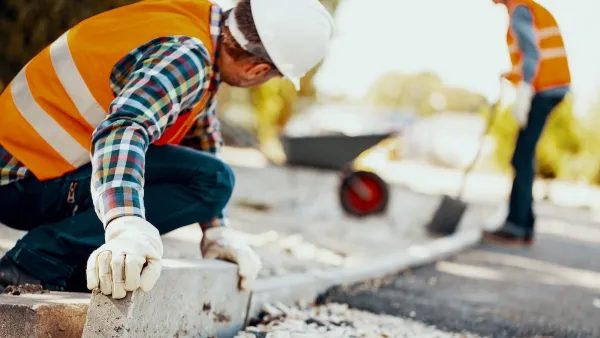
Rebuilding America's Backbone: A Call for Resilient Infrastructure
How sustainable investments in infrastructure made today can secure the future.
Court unfreezes $20B in federal climate grants
A U.S. Court of Appeals ruled that the Trump administration potentially violated the Inflation Reduction Act by attempting to claw back grants awarded under the Greenhouse Gas Reduction Fund program.
Planning Trends for 2026: States and Cities Take Initiative, Passenger Rail Gains Steam, and the Costs of AI Revealed
With federal funding for everything from transportation projects to housing assistance under threat, city and state governments are poised to take a stronger role in building strong, resilient local economies and public services.

Planetizen Federal Action Tracker
A weekly monitor of how Trump’s orders and actions are impacting planners and planning in America.

Amtrak, CN end decades-long dispute with eight-year agreement
The new operating agreement establishes an updated framework for the companies to work together, including processes to resolve disputes.

Judges permit Denver to divert 77,000 acre feet from the Colorado River for reservoir expansion
Overuse and climate change have caused the Colorado River’s water levels to plummet.

NYC DOT wants faster, more permanent street upgrades
The city is examining ways to build more concrete infrastructure without getting entangled in 'decades-long' projects.

'Something we’ve never seen before:' rising utility rates could strain city finances nationwide
Data centers, climate change and other factors have caused utility rates in the United States to increase by 38% since 2020.

Trump to overrule local leaders, lease millions of acres of America’s Pacific Island territories’ seafloors to mining companies
International law says that the Indigenous people of America’s territories have a right to prior and informed consent regarding projects that impact their countries.

FREE Course: Walkable City 1: Why Walkability?
After describing his path towards focusing on walkability as the essence of good planning, Jeff Speck marches through his five principal reasons for making more walkable places.
Reinventing Malls: Planning Alchemy—Turning Gray Fields Into Gold
The course focuses on the opportunities and imperatives that shape reinvention of mall sites.

Harvard University Graduate School of Design
KFH Group Inc.
Greater Baltimore Committee
The Architects Foundation
University of Cincinnati Online
The Pocatello Development Authority
The Urban Renewal Agency of the City of Pocatello