Cities have a one-time chance to acquire new land for development in a bid to increase housing supply and affordability.


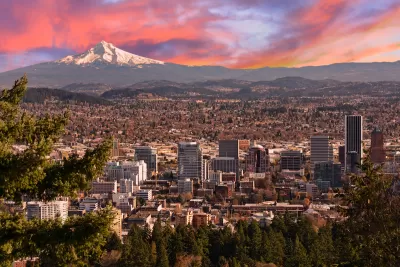
Last week, the Oregon legislature passed a bill that, among other things, revises the state’s landmark urban growth boundary law that dates back to 1973.
As Sarah Marx explains in Housing Wire, “The newly approved bill grants cities a one-time exemption from long-standing regulations to acquire new land for housing developments. In exchange, it requires that 30% of new units in expansion zones meet the definition of affordable housing.”
The exemption comes with some caveats: rentals and homes for sale in newly acquired areas must remain affordable for 60 years. “Beyond land use revisions, the comprehensive housing package allocates more than $370 million for infrastructure projects, such as water and sewer systems. Additionally, funds will be allocated toward homeless shelters and eviction prevention measures.”
Read the full story: Oregon tweaks restrictive land use law to address housing shortage

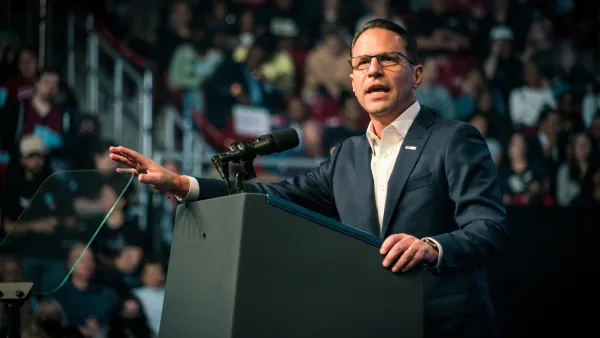
Pennsylvania Housing Action Plan Calls for $1B Fund, Expanded Renter Protections, Homebuyer Assistance
Gov. Shapiro’s proposed plan would bolster support for renters and homebuyers and reduce barriers to housing development.

California’s New Housing Laws: What You Need to Know
The state legislature passed dozens of new laws aimed at improving housing affordability and streamlining the development process to meet rising demand.
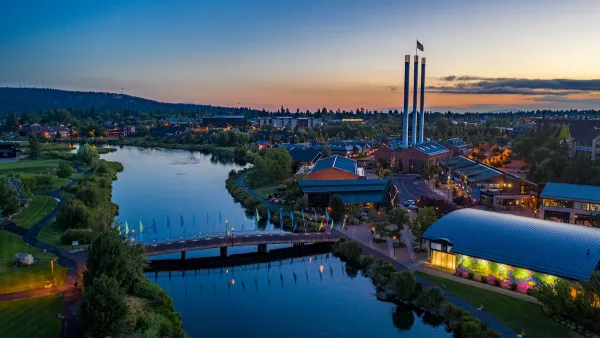
Oregon Cities Debate Expanding Boundaries
A recent bill allows cities to apply for a one-time expansion to Oregon’s historic urban growth boundaries, which limit development at the edges of cities.

Planetizen Federal Action Tracker
A weekly monitor of how Trump’s orders and actions are impacting planners and planning in America.

The state-sanctioned urbicide of Austin
People don’t kill cities. Freeways do.

US to reduce Colorado River water deliveries to Mexico
A new Colorado Treaty amendment reduces Mexico’s Colorado River water allocation by 250,000 acre feet.

Nation's most wind-powered state turns to coal as data centers increase energy demand
For the first time in decades, Iowa has increased its generation of coal power.

NYC cools commuters with city's first rain garden above a bus stop
New York City officials say the plants in the rain garden can absorb 16 gallons of rainwater during heavy storms.

Brightline West’s future may rely on $6 billion federal loan
The company has until Nov. 2 to make a $400 million equity investment into its proposed high-speed rail line.

FREE Course: Walkable City 1: Why Walkability?
After describing his path towards focusing on walkability as the essence of good planning, Jeff Speck marches through his five principal reasons for making more walkable places.
Reinventing Malls: Planning Alchemy—Turning Gray Fields Into Gold
The course focuses on the opportunities and imperatives that shape reinvention of mall sites.

Greater Baltimore Committee
Eagle County Government
Harvard University Graduate School of Design
The Architects Foundation
University of Cincinnati Online
The Pocatello Development Authority
The Urban Renewal Agency of the City of Pocatello
Journal of the American Planning Association