A proposal under consideration by Washington State lawmakers would give public transit riders a seat at the table and a voice in decisions that directly affect them.


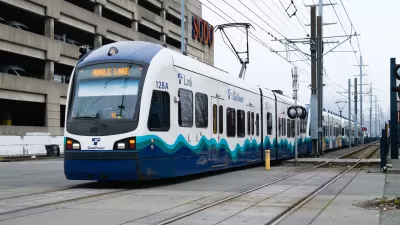
The Washington State legislature is considering a bill that would give public transit riders direct representation on state transit agency boards, according to a recent article from the Urbanist. The proposal would allow, but not require, around two-thirds of transit agencies in the state to appoint two designated rider representatives to their boards, one who “relies on public transit as their primary mode of mobility” and the other “who represents an organization that serves transit-dependent individuals,” writes Ryan Packer. The bill also would require public transit boards to hold their meetings in transit-accessible locations.
Public transit agency boards make decisions that impact the daily lives of thousands of transit riders. But “[m]any on these boards of authority have never experienced mass transit in a personal way, making decisions without understanding the ramifications to the ridership in their daily lives in the communities they serve,” Judy Jones, who serves on the Skagit Transit Advisory Committee, told the Washington State House Transportation Committee.
Official representatives of the transit agencies impacted aren’t sold on the proposal. They say they already engage riders and gather public feedback on potential changes that would impact them. Advocates, however, feel having rider representation on the board would ensure “voices that are often minimized get uplifted instead,” reports Packer.
FULL STORY: Rider Reps Could Be Coming Soon to Some Washington Transit Boards


Will LA’s Transit Plan Cross the Finish Line Ahead of 2028 Summer Olympics?
The latest report from the Los Angeles County Metropolitan Transportation Authority says the 2028 Summer Olympics host city is falling behind on its transit improvement plan and likely won't catch up in time for the Games.
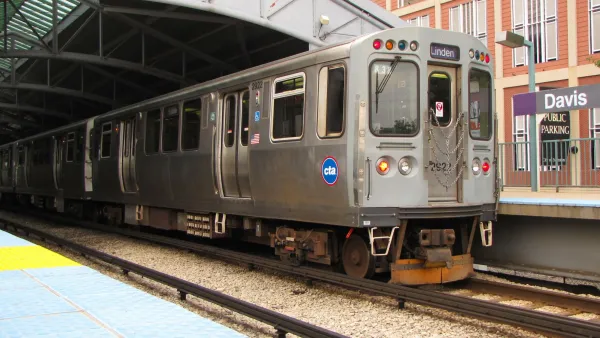
Chicago Transit Recovery Trails Behind Other Major US Cities
Sluggish ridership rates and staffing shortages are dampening recovery. Looming budget gaps could make things even worse.
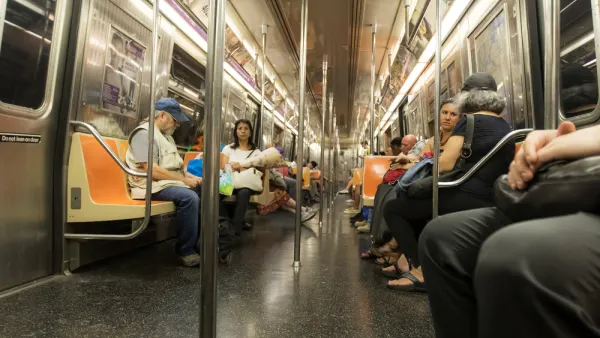
Transit Riders Face the Highest Safety Risks in These 10 States
According to federal data, the average number of safety incidents on public transportation averaged 55.2 per 100,000 people across all states between 2010 and 2023. Which states came in well above the national average?

The state-sanctioned urbicide of Austin
People don’t kill cities. Freeways do.

US to reduce Colorado River water deliveries to Mexico
A new Colorado Treaty amendment reduces Mexico’s Colorado River water allocation by 250,000 acre feet.

New Jersey’s second-largest city bans standalone data centers
Jersey City will continue to allow co-location facilities, such as those meant for research institutions that store their own data.

Amtrak not solely to blame for New Jersey commuter rail's unreliability, report finds
A new study from the Garden State Initiative found that NJ Transit’s budget grew 20% across a 4 year period, but reliability declined significantly over the same period.

EPA erases limits on planet-warming pollution from power plants
Under Monday’s plan, power plants would still have some limits on how much mercury, arsenic and other contaminants they can emit.

Phoenix announces new on-demand transit service, more frequent RAPID buses
Both new services will launch in October, and are part of Phoenix's Project Effective Access Solutions for Easing Congestion.

FREE Course: Walkable City 1: Why Walkability?
After describing his path towards focusing on walkability as the essence of good planning, Jeff Speck marches through his five principal reasons for making more walkable places.
Reinventing Malls: Planning Alchemy—Turning Gray Fields Into Gold
The course focuses on the opportunities and imperatives that shape reinvention of mall sites.

Eagle County Government
Harvard University Graduate School of Design
Nashville Planning Department
The Architects Foundation
University of Cincinnati Online
The Pocatello Development Authority
The Urban Renewal Agency of the City of Pocatello
Journal of the American Planning Association