Simple, sometimes ancient designs can transform roadways into environmental conservation tools.


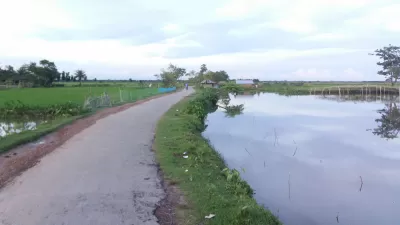
In an article from Yale Environment 360 republished in Wired, Ben Goldfarb, author of Crossings (one of Planetizen’s Top Planning Books of 2023), describes how new methods for greening roadways can help turn impermeable roads into environmental assets.
Goldfarb outlines a program titled Green Roads for Water built on the concept of using roads “to direct and collect water in desirable locations, rather than undesirable ones.” As the article explains, “The techniques tend to be astonishingly simple. Gentle earthen ridges called crossbars guide water off roads and toward irrigation ditches. ‘Borrow pits’ left after the excavation of gravel can be repurposed as rainwater collection ponds. In Bangladesh, engineers have deployed gated culverts to channel floodwaters into rice paddies.”
The program has spread rapidly in developing countries alongside “a wave of construction that could produce more than 15 million miles of paved roads by mid-century and tens of millions of miles of unpaved roads.” Using Green Roads strategies can help mitigate the negative impacts of new roads and prevent them from disrupting local ecosystems.
Read the full story: This Radical Plan to Make Roads Greener Actually Works

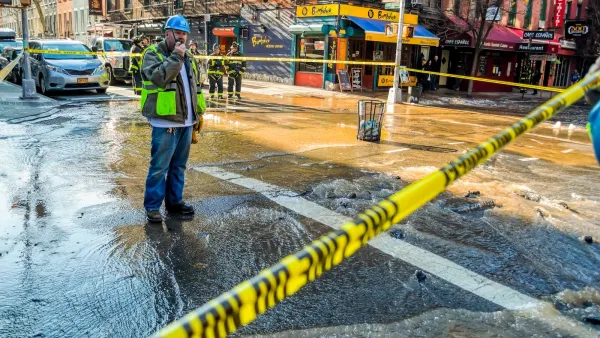
Public works officials indicate alarming decline in condition of water and sewer systems
Increased awareness of infrastructure issues combined with aging equipment and more extreme weather are leading more public works officials to feel their local systems are 'unsatisfactory.'
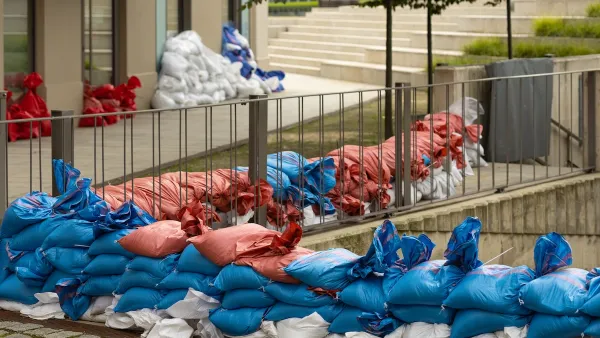
How US Communities Are Building Resilience Against Flooding
Flooding causes over $400 billion in damage in the United States every year.
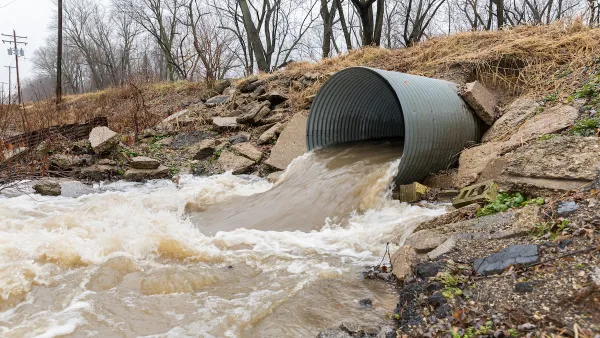
Southern Water Infrastructure at Risk From Climate Impacts
A water main breaks somewhere in the United States every two minutes, according to an estimate from the American Society of Civil Engineers.

Planetizen Federal Action Tracker
A weekly monitor of how Trump’s orders and actions are impacting planners and planning in America.

The state-sanctioned urbicide of Austin
People don’t kill cities. Freeways do.

Colorado’s Largest Data Center Could Rise Next to Homes — Without a Public Hearing
The proposed campus would consume 11 times the power of Denver International Airport; as it has across the country, opposition mounts.
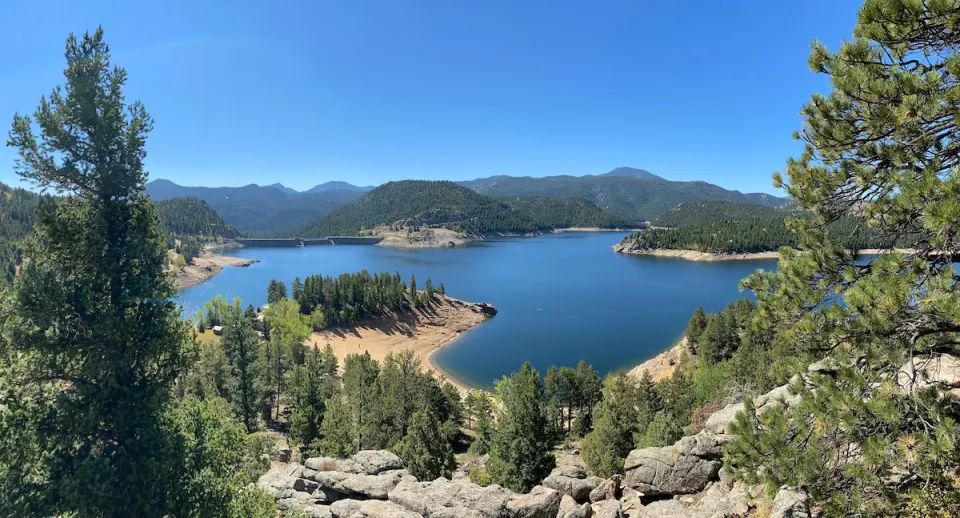
Judges permit Denver to divert 77,000 acre feet from the Colorado River for reservoir expansion
Overuse and climate change have caused the Colorado River’s water levels to plummet.

Amtrak, CN end decades-long dispute with eight-year agreement
The new operating agreement establishes an updated framework for the companies to work together, including processes to resolve disputes.

Raised interest rates may kill financially vulnerable construction projects
The chief economist at ConstructConnect warns that if construction project owners are negatively impacted by the raised rates, it could result in delayed payments to contractors.

FREE Course: Walkable City 1: Why Walkability?
After describing his path towards focusing on walkability as the essence of good planning, Jeff Speck marches through his five principal reasons for making more walkable places.
Reinventing Malls: Planning Alchemy—Turning Gray Fields Into Gold
The course focuses on the opportunities and imperatives that shape reinvention of mall sites.

KFH Group Inc.
Greater Baltimore Committee
Eagle County Government
The Architects Foundation
University of Cincinnati Online
The Pocatello Development Authority
The Urban Renewal Agency of the City of Pocatello