A system redesign proposed in August would have cut service. Now, Valley Regional Transit plans to increase service on its most popular routes.


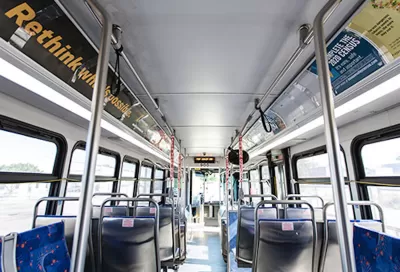
According to an article by Gretchen Parsons in BoiseDev, Treasure Valley’s Valley Regional Transit has reversed a decision to reduce bus service in the region, opting instead to increase service by 14 percent in response to demand from the public.
The agency received additional support from its funding partners, allowing it to develop a system redesign plan that adds service, dramatically altering the proposed plan released in August.
Rather than eliminating routes, the new plan maintains service to Southeast Boise, North Boise, and Central Bench. “Additionally, there will be a loss of service in Boise along Owyhee between Overland and Elder; on Five Mile, McMillan, and Curtis; and on sections of Maple Grove, Milwaukee, and Overland.” The changes, which will take effect next summer, increase service on the system’s most popular routes and add service on Saturdays on some routes.
FULL STORY: More service instead of less: VRT presents final bus redesign plan

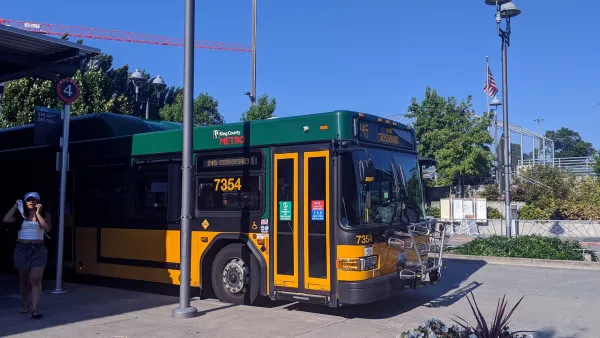
King County Metro adds 3,000 weekly bus trips, more connections to rail
King County Metro and Sound Transit are both making major adjustments to their bus networks to improve light rail connectivity across the region.
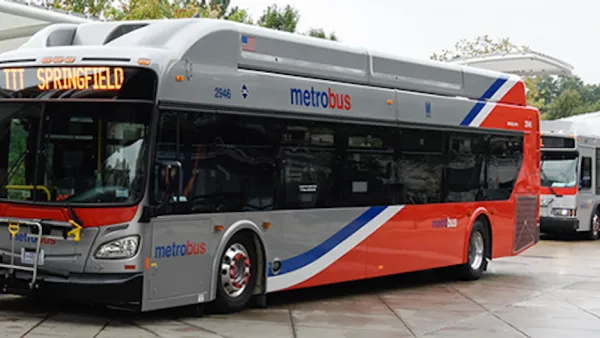
DC Launches 24/7 Bus Service
Starting December 17, 14 Metrobus routes will run around the clock to better serve essential workers and visitors.

NYC Bus Service Hindered by Congestion
Sharing lanes with car traffic may make it impossible for the MTA to increase service frequency.

Planetizen Federal Action Tracker
A weekly monitor of how Trump’s orders and actions are impacting planners and planning in America.

The state-sanctioned urbicide of Austin
People don’t kill cities. Freeways do.

US to reduce Colorado River water deliveries to Mexico
A new Colorado Treaty amendment reduces Mexico’s Colorado River water allocation by 250,000 acre feet.

5 New England states march closer to 800 megawatt wind energy project
Securing federal approval for the project may be complicated under the Trump administration, which has historically been hostile towards domestic wind power.

Baltimore to break ground on $50 million Transit Priority Project
The project will bring faster bus trips, safer streets and better bike connections to Baltimore.

Airbnb launches $250 million 'last-dollar financing' housing accelerator, makes first investment in Austin
The company will put $6.4 million towards affordable housing development in Texas’ capital.

FREE Course: Walkable City 1: Why Walkability?
After describing his path towards focusing on walkability as the essence of good planning, Jeff Speck marches through his five principal reasons for making more walkable places.
Reinventing Malls: Planning Alchemy—Turning Gray Fields Into Gold
The course focuses on the opportunities and imperatives that shape reinvention of mall sites.

Eagle County Government
Harvard University Graduate School of Design
Nashville Planning Department
The Architects Foundation
University of Cincinnati Online
The Pocatello Development Authority
The Urban Renewal Agency of the City of Pocatello
Journal of the American Planning Association