A small added fee for heavier vehicles would fund road safety projects in the state’s most populous counties.


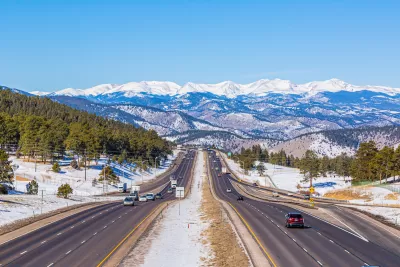
A proposed Colorado state bill could start adjusting vehicle registration fees based on the weight of the vehicle, reports Nathaniel Minor for Colorado Public Radio.
The new fee could raise up to $20 million a year for road safety projects and improved bike and pedestrian infrastructure in Colorado, where ‘light trucks’ made up 86.9 percent of new vehicle registrations in 2022.
The fees would range from $4.50 to $29.90, with the possibility of higher fees for vehicles weighing over 9,500 pounds. As Minor explains, “Vehicles under 3,500 pounds would be spared the new fee. And the fees would only apply to vehicle owners in the state’s 12 most-populous counties, where most pedestrian and bicycle injuries and deaths occur.”
The policy is primarily aimed at funding road safety projects, though advocates say a higher fee could have more of an impact on consumer choices. “The bill is part of a slate of proposals being considered by the Transportation Legislation Review Committee, a temporary body lawmakers set up to keep working on transportation policies while the legislature is out of session.”


Milwaukee announces 60 Vision Zero projects for 2026
The city is using a combination of federal, state, and local funds to work toward its goal of eliminating traffic deaths by 2037.
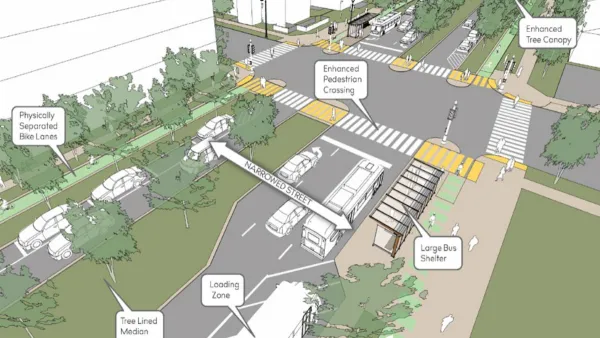
Trump Killed Funding for Milwaukee's Dreamy Multimodal Street. They're Determined to Make it Happen Anyway.
The administration rescinded a $36 million Reconnecting Communities grant aimed at redesigning a 2.6-mile segment of 6th Street.
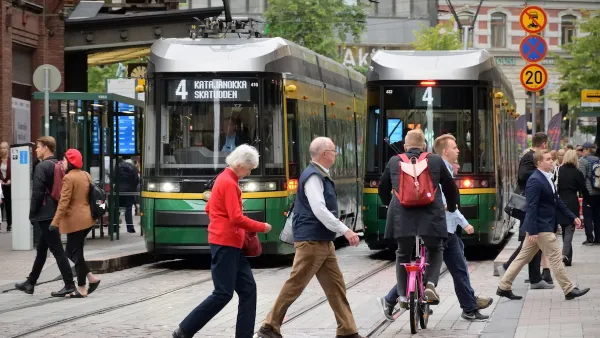
In Defence of Vision Zero — a Traffic Engineer’s Perspective
Traffic engineers have long suffered the reputation that all we care about is moving cars. The reality could not be more different.

The state-sanctioned urbicide of Austin
People don’t kill cities. Freeways do.

US to reduce Colorado River water deliveries to Mexico
A new Colorado Treaty amendment reduces Mexico’s Colorado River water allocation by 250,000 acre feet.

New Jersey’s second-largest city bans standalone data centers
Jersey City will continue to allow co-location facilities, such as those meant for research institutions that store their own data.

Amtrak not solely to blame for New Jersey commuter rail's unreliability, report finds
A new study from the Garden State Initiative found that NJ Transit’s budget grew 20% across a 4 year period, but reliability declined significantly over the same period.

EPA erases limits on planet-warming pollution from power plants
Under Monday’s plan, power plants would still have some limits on how much mercury, arsenic and other contaminants they can emit.

Phoenix announces new on-demand transit service, more frequent RAPID buses
Both new services will launch in October, and are part of Phoenix's Project Effective Access Solutions for Easing Congestion.

FREE Course: Walkable City 1: Why Walkability?
After describing his path towards focusing on walkability as the essence of good planning, Jeff Speck marches through his five principal reasons for making more walkable places.
Reinventing Malls: Planning Alchemy—Turning Gray Fields Into Gold
The course focuses on the opportunities and imperatives that shape reinvention of mall sites.

Eagle County Government
Harvard University Graduate School of Design
Nashville Planning Department
The Architects Foundation
University of Cincinnati Online
The Pocatello Development Authority
The Urban Renewal Agency of the City of Pocatello
Journal of the American Planning Association