A recent report highlights the lack of safe infrastructure at the Virginia capital’s bus stops.


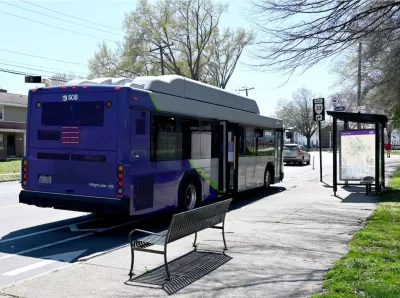
A “State of Transit” report from RVA Rapid Transit reveals that almost three-quarters of bus stops in Richmond, Virginia lack benches or shelter, reports Ian M. Stewart for Virginia Public Media, “and according to GRTC’s essential infrastructure plan from last year, less than half of these stops have the necessary landing pads required by the federal American with Disabilities Act.”
As Stewart explains, the Virginia Department of Rail and Public Transportation works with over 40 other state transportation agencies to develop designs for bus shelters, based on site ownership, that meet building codes and Americans with Disabilities Act (ADA) requirements. “It can take more than two years and thousands of dollars for a bus shelter to be put in, according to an earlier story VPM News reported.”
Stewart writes that “Officials with GRTC said they have a goal of installing 160 new shelters and 627 new benches by the year 2027.” However, the agency’s board, which voted to support that goal, did not allocate additional funding to the project but instead hopes to acquire funding from VDOT or the Central Virginia Transportation Agency.
Read the full story: Most bus stops in Richmond lack adequate shelter or benches

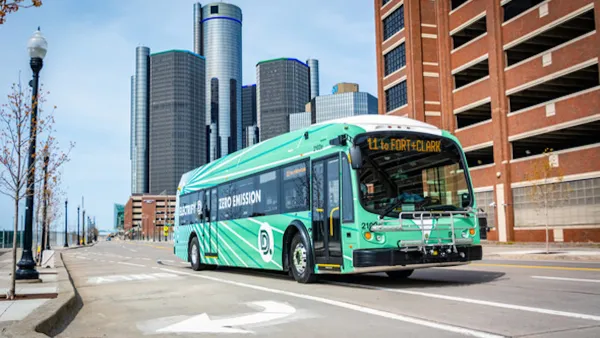
Analysis: Just 5 Percent of Detroit Bus Stops Have Shelters
The city’s thousands of bus stops are sorely lacking in seating and shelters to protect riders from rain, snow, and sun.
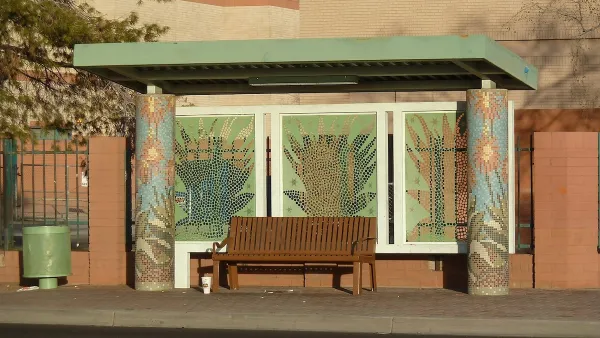
Phoenix Shade Plan Focuses on Bus Stops
The city’s updated Shade Master Plan calls for trees and built structures at bus stops to protect residents from heat.
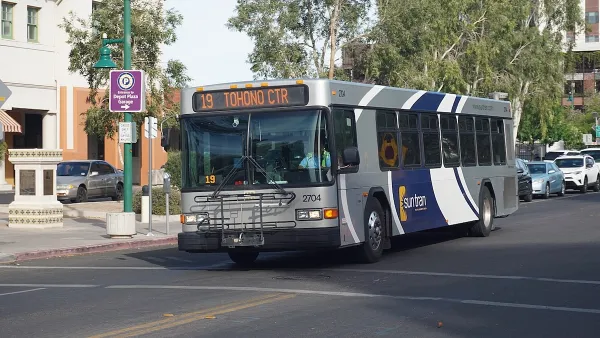
Tucson Keeps Buses Fare-Free
The city is doubling down on its efforts to boost bus ridership as part of its climate action plan.

Planetizen Federal Action Tracker
A weekly monitor of how Trump’s orders and actions are impacting planners and planning in America.

California plans to bury El Niño’s downpour
If the state plays its cards right, it may be able to store a billion acre-feet of El Niño’s water in aquifers.

Desperate measures: Advocates weigh draining Lake Powell to fill Colorado River
Draining the reservoir could reduce evaporation losses by a couple hundred thousand acre-feet.

How a Chicago-sized wind farm beat the odds and powered on
The project spanned five presidential administrations and a standoff with a U.S. military base.

MTA gives itself 30 days to transform pit into basketball court
The site has been under construction since 2022; the city originally estimated it would finish the court in 2024.

Non-stop party: Chicago voters weigh permanent festival grounds
A stable place for bleachers, stages and drainage may streamline the setup and teardown of large events.

FREE Course: Walkable City 1: Why Walkability?
After describing his path towards focusing on walkability as the essence of good planning, Jeff Speck marches through his five principal reasons for making more walkable places.
Reinventing Malls: Planning Alchemy—Turning Gray Fields Into Gold
The course focuses on the opportunities and imperatives that shape reinvention of mall sites.

City of Rosemead
Rutgers University, Edward J. Bloustein School of Planning and Public Policy
One Hundred Miles
Hunter College, City University of New York (CUNY)
The Architects Foundation
University of Cincinnati Online
City of Cambridge
Montrose County
The Pocatello Development Authority