After a contentious debate, the state legislature passed a budget that changes how transportation projects are funded and supports increased transit service in the state.


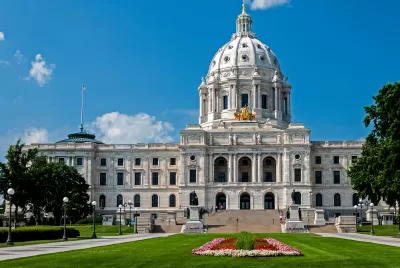
Minnesota just passed its largest transportation bill since 2008 as part of its $72 billion budget, reports Jared Brey in Governing, marking the culmination of “years’ worth of efforts by lawmakers and transit advocates to improve the way transportation projects and public transit operations are funded.”
According to lawmakers, “creates more stable financing for roads and bridges, provides new recurring funding for public transit, allocates $200 million for a new passenger rail line connecting the Twin Cities to Duluth, and forces state agencies to make good on aspirational climate goals.”
State legislators say the bill, which ties the state’s gas tax to inflation to boost transportation funding, creates a new Transit Rider Investment Program (TRIP), and decriminalizes fare evasion, could serve as a national model for transportation funding. “The bill also makes huge investments in transit operations, with a 0.75 percent sales tax in the Twin Cities area to help fund transit and active transportation projects, like bike paths. The tax is expected to generate more than $450 million a year for Metro Transit.”
FULL STORY: Big Transit Investments Included in Long-Sought Minnesota Budget Deal

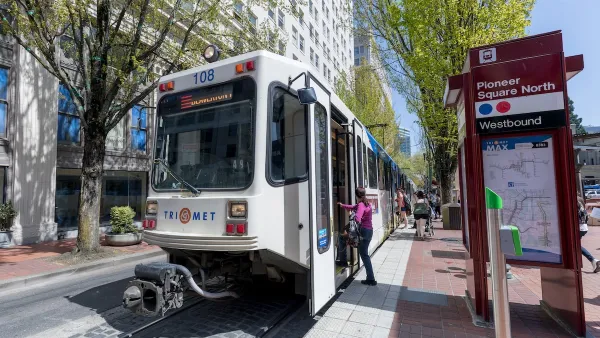
Oregon Transportation Bill Saves 500 ODOT Jobs, but Leaves Future Funding Uncertain
A bill passed in a special legislative session will raise over $4 billion for transportation and public transit in the next 10 years, but fails to establish a long-term funding solution.
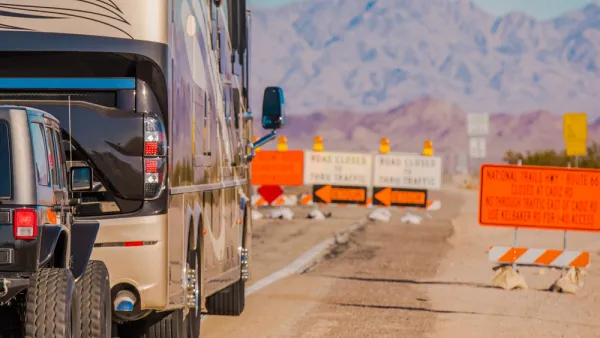
Constitutional Amendment Would Shift Some Gas Tax Revenue to Transit Spending in Nevada
Democratic legislators in Nevada are considering a constitutional amendment that would allow the state to use gas tax revenues for transportation projects other than road construction, maintenance, and repair.
Analysis: What does America want from surface transportation reauthorization?
Over 13,000 comments were submitted in the federal Request for Information on surface transportation reauthorization. We analyzed all of them.

Planetizen Federal Action Tracker
A weekly monitor of how Trump’s orders and actions are impacting planners and planning in America.

The state-sanctioned urbicide of Austin
People don’t kill cities. Freeways do.

US to reduce Colorado River water deliveries to Mexico
A new Colorado Treaty amendment reduces Mexico’s Colorado River water allocation by 250,000 acre feet.

Amtrak not solely to blame for New Jersey commuter rail's unreliability, report finds
A new study from the Garden State initiative found that NJ Transit’s budget grew 20% across a 4 year period, but reliability declined significantly over the same period.

EPA erases limits on planet-warming pollution from power plants
Under Monday’s plan, power plants would still have some limits on how much mercury, arsenic and other contaminants they can emit.

Phoenix announces new on-demand transit service, more frequent RAPID buses
Both new services will launch in October, and are part of Phoenix's Project Effective Access Solutions for Easing Congestion.

FREE Course: Walkable City 1: Why Walkability?
After describing his path towards focusing on walkability as the essence of good planning, Jeff Speck marches through his five principal reasons for making more walkable places.
Reinventing Malls: Planning Alchemy—Turning Gray Fields Into Gold
The course focuses on the opportunities and imperatives that shape reinvention of mall sites.

Eagle County Government
Harvard University Graduate School of Design
Nashville Planning Department
The Architects Foundation
University of Cincinnati Online
The Pocatello Development Authority
The Urban Renewal Agency of the City of Pocatello
Journal of the American Planning Association