An FHWA index that tracks the costs of highway building shows a sharp increase in materials and fuel costs.


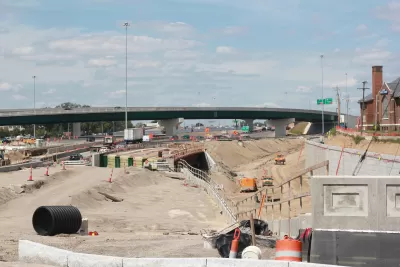
The Federal Highway Administration’s (FHWA) National Highway Construction Cost Index (NHCCI) for the third quarter of 2022 shows that construction costs in the sector have gone up by 50 percent since December 2020, according to Jeff Davis writing for the Eno Center for Transportation.
The NHCCI started in the third quarter of 2003, based at an even 1.0000 and the third quarter 2022 index was 2.7862 which means that highway construction cost almost 2.8 times as much in summer-fall 2023 as it did 20 years prior. But the chart shows two great inflation runs: 2004-2006, fueled by a doubling of oil prices and by China’s entry into the WTO (and the effect that had on the world demand for construction materials), and the present run which started at the beginning of 2021.
The majority of the cost increase is attributed to the price of crude oil, diesel fuel, and steel. “So far in 2023, [crude oil] prices have oscillated in the $70-80 per barrel range. So, while the rate of increase in the NHCCI may decrease in the coming quarters, there is no sign that they will give back significant amounts of what has already been increased.”
Read the full story: Highway Construction Costs Have Risen 50% in Two Years

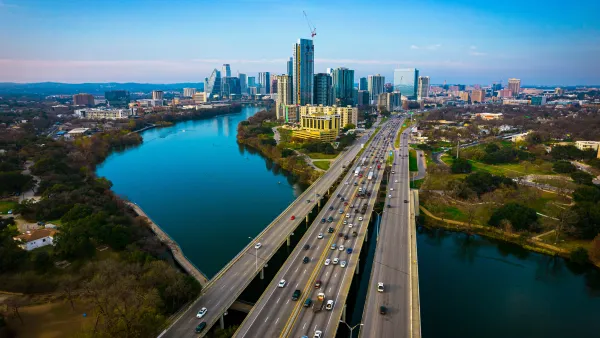
$138 billion Texas transportation plan to prioritize “Clear Lanes” congestion relief, highway construction
The plan includes $95 billion for transportation projects using existing state and federal revenue sources and $45 billion for project development and maintenance.
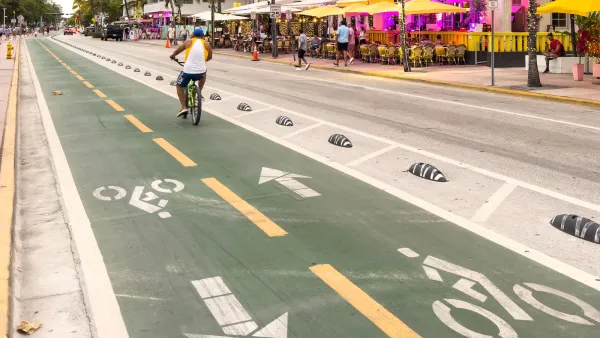
FHWA removes bike lanes and speed cameras from list of traffic safety measures
The agency did not announce its intention to eliminate five proven safety measures from its list of suggested interventions.
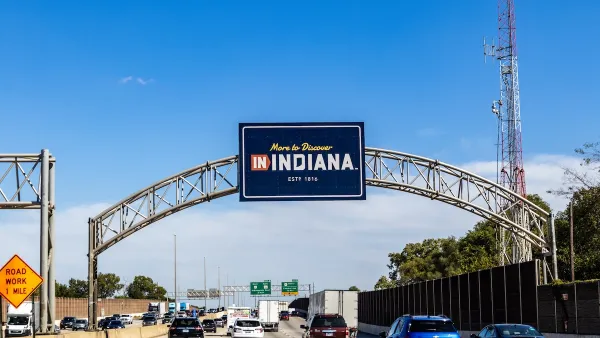
Indiana Proposes Tolls on Interstate Freeways
If the state’s request is approved by the FHWA, it would be the first to charge tolls on interstates within its borders.

Planetizen Federal Action Tracker
A weekly monitor of how Trump’s orders and actions are impacting planners and planning in America.

The state-sanctioned urbicide of Austin
People don’t kill cities. Freeways do.

US to reduce Colorado River water deliveries to Mexico
A new Colorado Treaty amendment reduces Mexico’s Colorado River water allocation by 250,000 acre feet.

Nation's most wind-powered state turns to coal as data centers increase energy demand
For the first time in decades, Iowa has increased its generation of coal power.

NYC cools commuters with city's first rain garden above a bus stop
New York City officials say the plants in the rain garden can absorb 16 gallons of rainwater during heavy storms.

Brightline West’s future may rely on $6 billion federal loan
The company has until Nov. 2 to make a $400 million equity investment into its proposed high-speed rail line.

FREE Course: Walkable City 1: Why Walkability?
After describing his path towards focusing on walkability as the essence of good planning, Jeff Speck marches through his five principal reasons for making more walkable places.
Reinventing Malls: Planning Alchemy—Turning Gray Fields Into Gold
The course focuses on the opportunities and imperatives that shape reinvention of mall sites.

Greater Baltimore Committee
Eagle County Government
Harvard University Graduate School of Design
The Architects Foundation
University of Cincinnati Online
The Pocatello Development Authority
The Urban Renewal Agency of the City of Pocatello
Journal of the American Planning Association