Local critics of Gov. Phil Murphy’s plan to install hundreds of wind turbines off the New Jersey coast plan to sue the state to stop or delay the projects, citing aesthetic, environmental, and economic concerns.



Half of New Jersey’s electricity could be powered by offshore wind energy by 2035 under a plan put into motion by Governor Phil Murphy in 2018. As Jared Brey explains in Governing, the plan more recently calls for 100 percent clean energy by 2050 and has led to three offshore wind projects approved so far.
While offshore wind is “broadly popular” among New Jersey residents, local leaders in some coastal communities worry that the turbines will impact the state’s fishing industry, marine ecosystem, and tourism. Most complaints are directed at the visual impact of having the turbines within view, with opponents saying the visibility of the turbines could irreparably alter the character of the New Jersey coast. Some also claim surveying related to the wind projects could be related to several recent whale deaths in the area, a claim categorically denied by scientists and environmental groups.
At least two non-governmental opposition groups are preparing lawsuits against the state to stop the wind projects, and some municipalities have left the legal option open. “For now, the state is firmly in the driver’s seat. In addition to Murphy’s executive orders, the state Legislature approved laws allowing state authorities to bypass certain local approvals when it’s ‘reasonably necessary’ to pursuing the wind program.”
Read the full story: Wind Turbines (and Lawsuits) Are Coming to the Jersey Shore

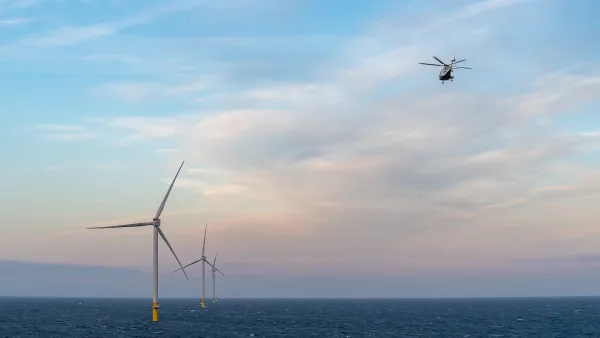
California presses forward on offshore wind
The state is taking steps to prepare its grid and port infrastructure for offshore wind projects despite the federal government's pushback on the technology.
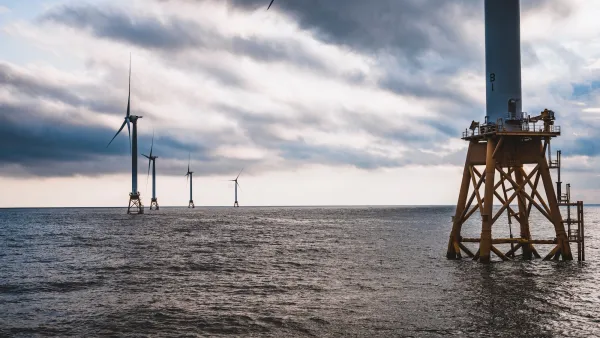
Trump Administration to Pay Energy Firm $1 Billion to Kill Wind Farms in Favor of Fossil Fuel Projects
TotalEnergies will forfeit its lease on two proposed wind energy projects off the coasts of New York and North Carolina.
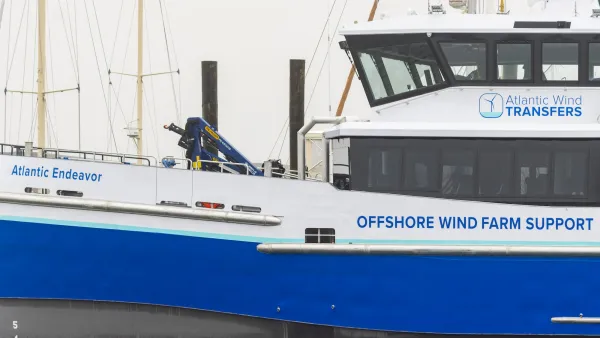
Nation’s Largest Offshore Wind Project, Suspended by Trump, Restarts Construction
A judge issued a temporary restraining order against the Trump administration’s suspension of five East Coast offshore wind projects.

Planetizen Federal Action Tracker
A weekly monitor of how Trump’s orders and actions are impacting planners and planning in America.

The state-sanctioned urbicide of Austin
People don’t kill cities. Freeways do.

Colorado’s Largest Data Center Could Rise Next to Homes — Without a Public Hearing
The proposed campus would consume 11 times the power of Denver International Airport; as it has across the country, opposition mounts.

Amtrak, CN end decades-long dispute with eight-year agreement
The new operating agreement establishes an updated framework for the companies to work together, including processes to resolve disputes.
Raised interest rates may kill financially vulnerable construction projects
The chief economist at ConstructConnect warns that if construction project owners are negatively impacted by the raised rates, it could result in delayed payments to contractors.
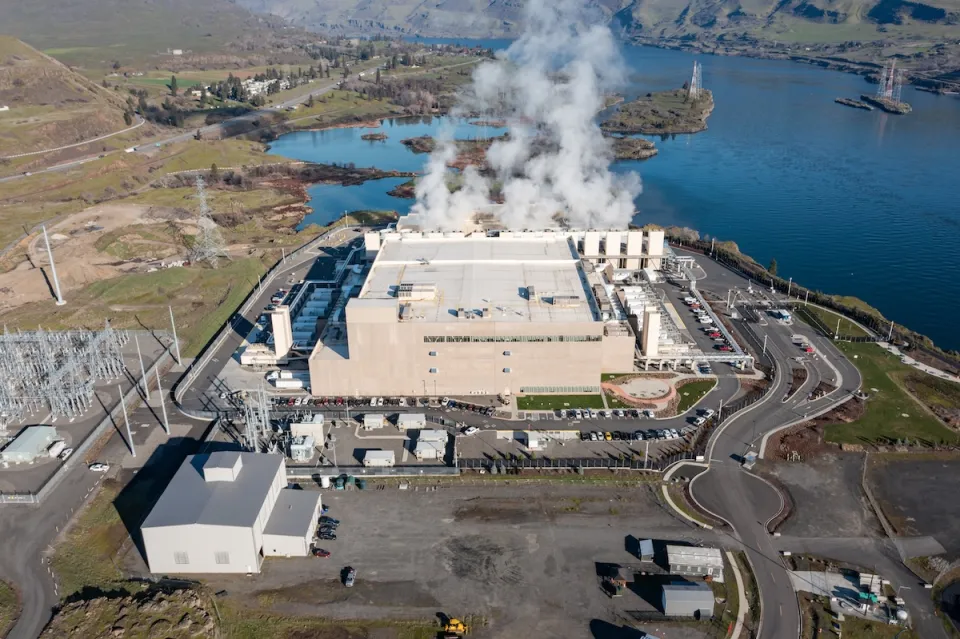
Data centers are consuming nearly 25% of Oregon’s power
The state has 111 data centers, with 32 more either planned or under construction.

FREE Course: Walkable City 1: Why Walkability?
After describing his path towards focusing on walkability as the essence of good planning, Jeff Speck marches through his five principal reasons for making more walkable places.
Reinventing Malls: Planning Alchemy—Turning Gray Fields Into Gold
The course focuses on the opportunities and imperatives that shape reinvention of mall sites.

Greater Baltimore Committee
Eagle County Government
Harvard University Graduate School of Design
The Architects Foundation
University of Cincinnati Online
The Pocatello Development Authority
The Urban Renewal Agency of the City of Pocatello
Journal of the American Planning Association