After a decade of sustained population loss, rural America is bouncing back thanks to shifting demographics and pandemic-induced migration.


New research from the University of New Hampshire Carsey School of Public Policy suggests that, thanks in part to the upheavals caused by the Covid 19 pandemic, rural communities in the United States are seeing renewed population growth after a decade of stagnation and population loss. According to Kenneth Johnson, “the rural population gain exceeded that in metropolitan areas, something that is rare in American history.”
As Johnson explains, “Most of the recent nonmetropolitan population increase accrued to high amenity recreational and retirement areas because net migration gains to these counties accelerated early in the pandemic. Elsewhere in rural America, many areas continued to lose population, but a sizable number of counties had population increases because modest migration gains offset deaths from COVID-19.” Johnson notes that this growth could slow down as the effects of the pandemic recede, but trends in remote work and migration suggest that some of these changes may stick around.
FULL STORY: Recent Data Suggest Rural America Is Growing Again After a Decade of Population Loss

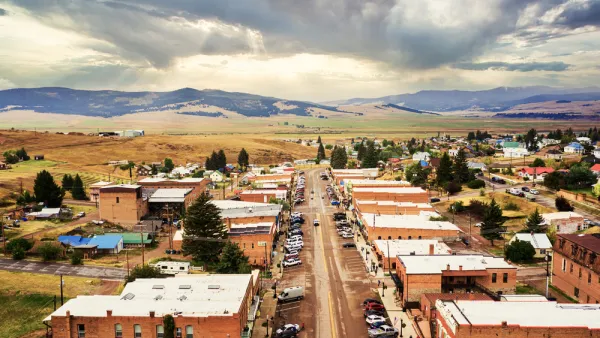
Rural Population Grew Again in 2024
Americans continued to move to smaller towns and cities, resulting in a fourth straight year of growth in rural areas.
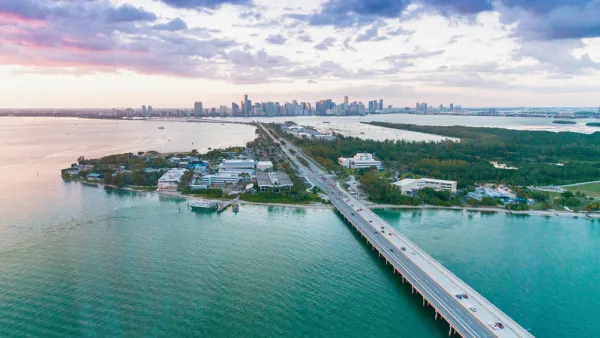
The Great American Exodus: A Conservative's Perspective
During his keynote speech on September 11 at the National Conservatism Conference in Miami, Florida Governor Ron DeSantis describes the demographic shifts in America since he became governor in 2019 in what he calls the 'Great American Exodus.'
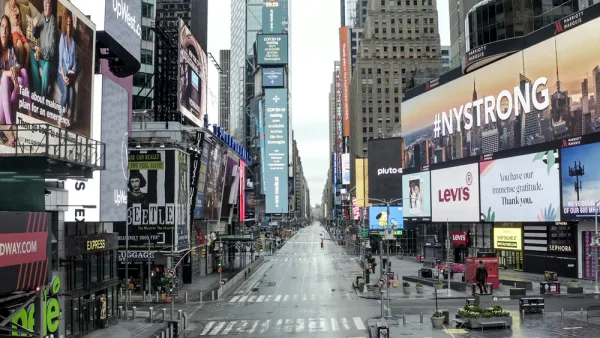
Pandemic-Era Big City Population Loss More Dramatic Than We Thought
A new analysis indicates that many big cities saw their biggest population declines in at least a decade, with suburbs also showing a slowdown in growth.

Planetizen Federal Action Tracker
A weekly monitor of how Trump’s orders and actions are impacting planners and planning in America.

The state-sanctioned urbicide of Austin
People don’t kill cities. Freeways do.

US to reduce Colorado River water deliveries to Mexico
A new Colorado Treaty amendment reduces Mexico’s Colorado River water allocation by 250,000 acre feet.

5 New England states march closer to 800 megawatt wind energy project
Securing federal approval for the project may be complicated under the Trump administration, which has historically been hostile towards domestic wind power.

Baltimore to break ground on $50 million Transit Priority Project
The project will bring faster bus trips, safer streets and better bike connections to Baltimore.

Airbnb launches $250 million 'last-dollar financing' housing accelerator, makes first investment in Austin
The company will put $6.4 million towards affordable housing development in Texas’ capital.

FREE Course: Walkable City 1: Why Walkability?
After describing his path towards focusing on walkability as the essence of good planning, Jeff Speck marches through his five principal reasons for making more walkable places.
Reinventing Malls: Planning Alchemy—Turning Gray Fields Into Gold
The course focuses on the opportunities and imperatives that shape reinvention of mall sites.

Eagle County Government
Harvard University Graduate School of Design
Nashville Planning Department
The Architects Foundation
University of Cincinnati Online
The Pocatello Development Authority
The Urban Renewal Agency of the City of Pocatello
Journal of the American Planning Association