The city is testing solar panels embedded in sidewalks as a backup power supply for traffic lights.


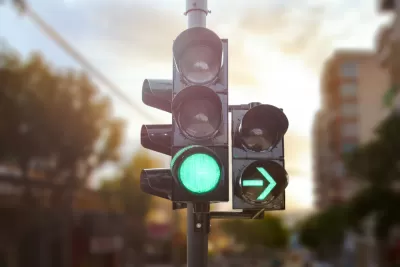
As part of a plan to prepare for future power outages during hurricanes, Tampa officials are experimenting with ‘solar sidewalks’ as a backup power source for traffic lights. As Maria Rachal explains in Smart Cities Dive, the city has experienced outages during storms that slow traffic and cause crashes.
“Since summer 2020, the city has piloted solar panels embedded on sidewalks, a design meant to protect the panels from storm-force winds.” The 84 specially made panels have a slip-resistant coating and were expected to generate three to five days of power. While Hurricane Ian didn’t impact Tampa directly, it provided some less-than-ideal conditions to test the panels. According to the city’s Smart Mobility Manager Brandon Campbell, “During Ian, we saw that it continued to generate power, at least nominally during that day that it was cloudy and rainy and virtually no sun shining on them.”
FULL STORY: Tampa tries sidewalk solar panels as backup power for traffic lights

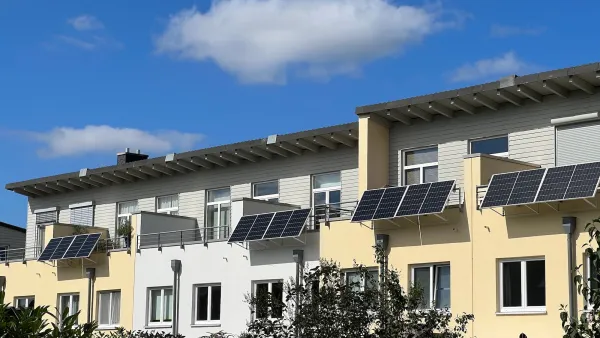
28 States and DC Could Legalize ‘Balcony Solar’
Plug-in solar panels, which are becoming popular across Europe, live in a regulatory gray area in the United States.
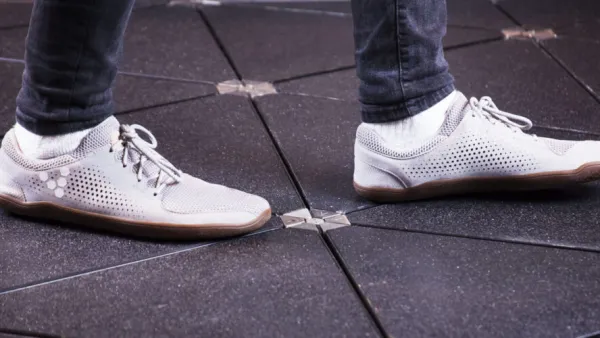
Is the Future of Solar in our Sidewalks?
From photovoltaic pavement to bus stops that charge EVs from below, the next generation of clean energy infrastructure is right under our feet.
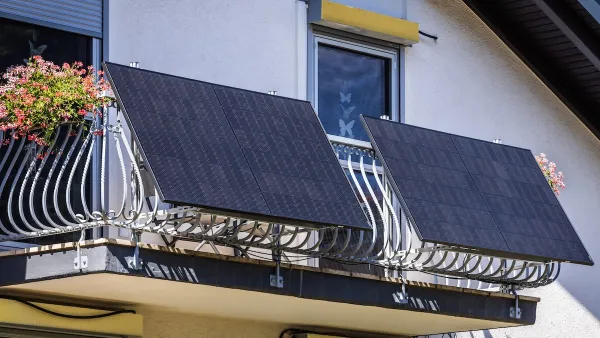
Bay Area Embraces ‘Balcony Solar’
Popular in Germany, wall- or balcony-mounted solar panels come at a lower cost and face fewer regulatory hurdles than rooftop solar, but their legal status in California is murky.

The state-sanctioned urbicide of Austin
People don’t kill cities. Freeways do.

US to reduce Colorado River water deliveries to Mexico
A new Colorado Treaty amendment reduces Mexico’s Colorado River water allocation by 250,000 acre feet.

New Jersey’s second-largest city bans standalone data centers
Jersey City will continue to allow co-location facilities, such as those meant for research institutions that store their own data.

Amtrak not solely to blame for New Jersey commuter rail's unreliability, report finds
A new study from the Garden State Initiative found that NJ Transit’s budget grew 20% across a 4 year period, but reliability declined significantly over the same period.

EPA erases limits on planet-warming pollution from power plants
Under Monday’s plan, power plants would still have some limits on how much mercury, arsenic and other contaminants they can emit.

Phoenix announces new on-demand transit service, more frequent RAPID buses
Both new services will launch in October, and are part of Phoenix's Project Effective Access Solutions for Easing Congestion.

FREE Course: Walkable City 1: Why Walkability?
After describing his path towards focusing on walkability as the essence of good planning, Jeff Speck marches through his five principal reasons for making more walkable places.
Reinventing Malls: Planning Alchemy—Turning Gray Fields Into Gold
The course focuses on the opportunities and imperatives that shape reinvention of mall sites.

Eagle County Government
Harvard University Graduate School of Design
Nashville Planning Department
The Architects Foundation
University of Cincinnati Online
The Pocatello Development Authority
The Urban Renewal Agency of the City of Pocatello
Journal of the American Planning Association