Los Angeles County is implementing equity-focused community parks and recreation plans.


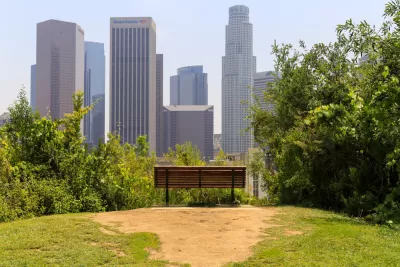
Parks are increasingly recognized as essential infrastructure which provides a wide range of benefits to communities. For example, numerous studies show that parks offer a variety of environmental, social, and economic benefits both within and beyond park boundaries. However, not everyone gets to enjoy these benefits because of park inequities, especially with respect to the provision and distribution of quality parks and investments in parks and recreational facilities.
In this Parks & Rec Business magazine article, park planner Clement Lau explains how the Los Angeles County Department of Parks and Recreation (DPR) plans with equity and implementation in mind, ensuring that its plans prioritize the neediest communities and do not end up just sitting on bookshelves. Examples of such planning documents include the 2016 Los Angeles Countywide Parks and Recreation Needs Assessment and Community Parks and Recreation Plans (CPRPs) for various unincorporated communities. The article focuses on the implementation of the CPRPs which is well under way, with a multitude of projects at varying scales and stages of development.
Read the full story: Fulfilling Visions

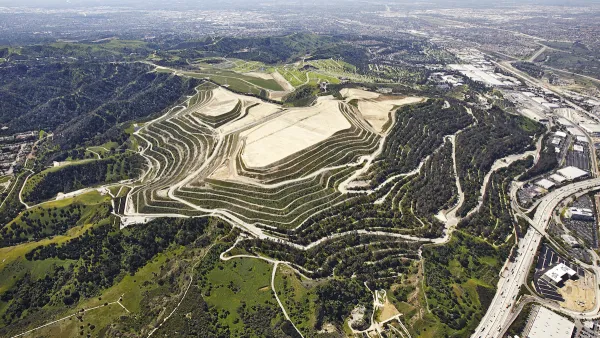
In Los Angeles and beyond, landfills and gas stations are the new public spaces
With scarce urban land, transforming overlooked and underutilized urban pockets into parks and green space it critical to meeting growing community, climate, and equity needs.
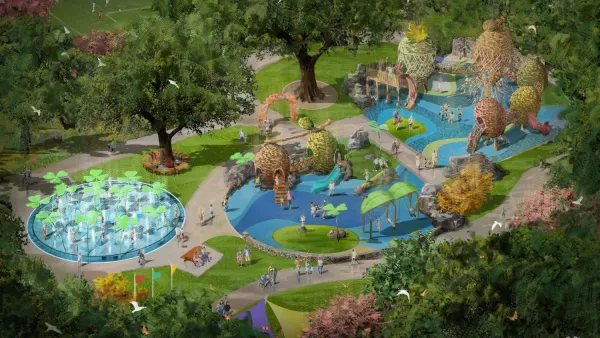
Disney Imagineers Join Effort to Rebuild Altadena’s Charles White Park After Wildfire
Disney is contributing $5 million and the talents of its Imagineers to help Los Angeles County rebuild Charles White Park and other fire-damaged Altadena parks.
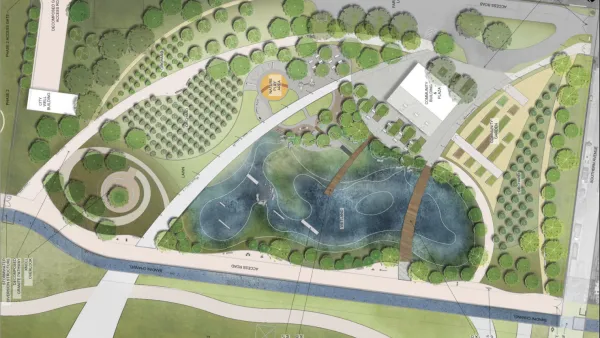
How South Gate, California Expanded its Park System Against the Odds
With limited space and funding, South Gate opened three new parks this year through community-driven design, creative partnerships, and persistent public leadership.

Planetizen Federal Action Tracker
A weekly monitor of how Trump’s orders and actions are impacting planners and planning in America.

The state-sanctioned urbicide of Austin
People don’t kill cities. Freeways do.

Colorado’s Largest Data Center Could Rise Next to Homes — Without a Public Hearing
The proposed campus would consume 11 times the power of Denver International Airport; as it has across the country, opposition mounts.

Nation's most wind-powered state turns to coal as data centers increase energy demand
For the first time in decades, Iowa has increased its generation of coal power.

NYC cools commuters with city's first rain garden above a bus stop
New York City officials say the plants in the rain garden can absorb 16 gallons of rainwater during heavy storms.

Brightline West’s future may rely on $6 billion federal loan
The company has until Nov. 2 to make a $400 million equity investment into its proposed high-speed rail line.

FREE Course: Walkable City 1: Why Walkability?
After describing his path towards focusing on walkability as the essence of good planning, Jeff Speck marches through his five principal reasons for making more walkable places.
Reinventing Malls: Planning Alchemy—Turning Gray Fields Into Gold
The course focuses on the opportunities and imperatives that shape reinvention of mall sites.

Greater Baltimore Committee
Eagle County Government
Harvard University Graduate School of Design
The Architects Foundation
University of Cincinnati Online
The Pocatello Development Authority
The Urban Renewal Agency of the City of Pocatello
Journal of the American Planning Association