The largest, most diverse generation in U.S. history has experienced setbacks, but many are now moving past student debt and the effects of the Great Recession into their prime buying years.



"We've only seen the beginning of millennial housing demand," writes Hillary Hoffower to amplify the points made in a recent "commentary" written by Dana M. Peterson for Barron's [paywall]. Unless you have a subscription to Barron's, Hoffower's aggregation will have to stand in for the analysis provided by Peterson, who is the chief economist at non-profit The Conference Board.
Many Millennials are just now entering into peak home-buying years, according to Peterson's argument. Many have struggled for years to build up the necessary cash to buy a home thanks to the Great Recession and a "mountain of student debt" incurred by the record high cost of college.
"The sheer size of the millennial population, and the fact that they are just entering peak years for starting families and earning money, means that demand for housing has room to run," writes Peterson for Barron's.
The implication, of course, is that a new glut of Millennial homebuyers is adding additional demand to a housing market already sodden with low-interest rates and competition from institutional buyers, work from home, and a lack of existing supply.
FULL STORY: Millennials Will Drive Home Prices Up for Years to Come

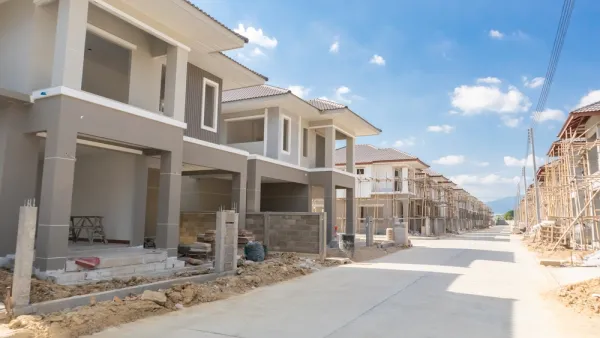
APA Announces New ‘Housing Supply Accelerator’ in Partnership with the National League of Cities
The American Planning Association and the National League of Cities have announced a new partnership to find and implement solutions to the national housing affordability crisis.
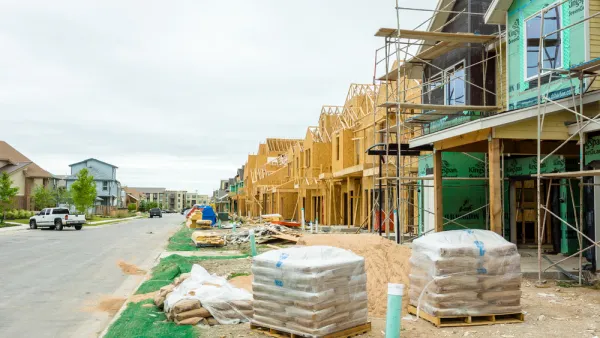
The Housing Affordability Recipe
Smart policies can ensure that low- and moderate-income households can find suitable housing in good neighborhoods where transportation costs are low. The research is clear: upzoning works.
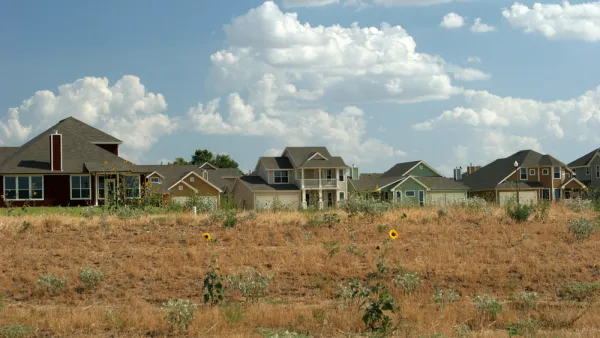
Texas Housing Market Starting to Resemble the California Housing Market
The hordes of people moving to Texas every year could soon encounter the same kinds of housing affordability challenges they left behind.

Planetizen Federal Action Tracker
A weekly monitor of how Trump’s orders and actions are impacting planners and planning in America.

The state-sanctioned urbicide of Austin
People don’t kill cities. Freeways do.

US to reduce Colorado River water deliveries to Mexico
A new Colorado Treaty amendment reduces Mexico’s Colorado River water allocation by 250,000 acre feet.

Airbnb launches $250 million 'last-dollar financing' housing accelerator, makes first investment in Austin
The company will put $6.4 million towards affordable housing development in Texas’ capital.

Guerilla urbanists are building DIY bus stop benches in Chicago
A before-and-after of one of the bus stops with a new bench. The new benches are not officially sanctioned or permitted, but the residents who placed them hope they will be the start of a network of DIY benches across the city.

Mamdani overhauls NYC's Vision Zero plan with 100 new policy goals
The overhaul aims to reduce traffic deaths and make streets safer for pedestrians, cyclists and drivers through lower speed limits, new safety infrastructure and more.

FREE Course: Walkable City 1: Why Walkability?
After describing his path towards focusing on walkability as the essence of good planning, Jeff Speck marches through his five principal reasons for making more walkable places.
Reinventing Malls: Planning Alchemy—Turning Gray Fields Into Gold
The course focuses on the opportunities and imperatives that shape reinvention of mall sites.

Eagle County Government
Harvard University Graduate School of Design
Nashville Planning Department
The Architects Foundation
University of Cincinnati Online
The Pocatello Development Authority
The Urban Renewal Agency of the City of Pocatello
Journal of the American Planning Association