The Midtown Alliance is urging the city to give more control to community improvement districts to speed up procurement or risk losing out on federal funding.


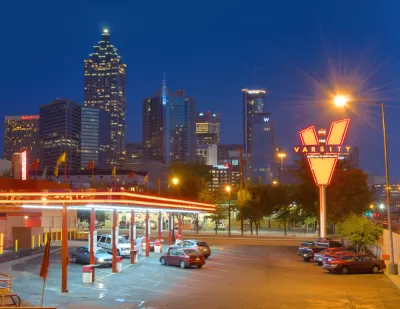
"In a letter to Mayor Keisha Lance Bottoms obtained by The Atlanta Journal-Constitution, Midtown Alliance President and CEO Kevin Green wrote that the 'level of city inaction and dysfunction we are experiencing is the worst we have seen in two decades,'" reports J. D. Capeluto. Green calls the situation "untenable" and points to projects such as the Juniper Complete Street Project, which "is more than 10 years old and is at risk of exceeding a spend-by deadline for federal funds 'due to repeated and avoidable city delays.'"
According to Capeluto, "[m]any of the delays stem from the city’s procurement process, which involves selecting companies to plan or execute multimillion-dollar projects like road improvements, Green said." The city's procurement department "came under the microscope several years ago under former Mayor Kasim Reed’s administration, after several City Hall employees — including the former top purchasing officer — were convicted of accepting bribes from contractors looking to do business with the city." Rather than letting the department manage contracts, "Green proposed that the city allow community improvement districts to manage the contracts and project work in their areas." As Congress considers a massive spending package that could bring the city billions for local projects, "Green said it’s especially important that the city streamline its process for transportation projects."
"In a statement, a spokesman for the mayor’s office said the letter 'does not provide the full context or accurately describe the current authorities' the CIDs have under city code." Councilman Amir Farokhi "said he is working on city legislation that would allow some CIDs to handle procurement themselves."
Read the full story: Midtown business group says city inaction on transportation projects is worst in decades

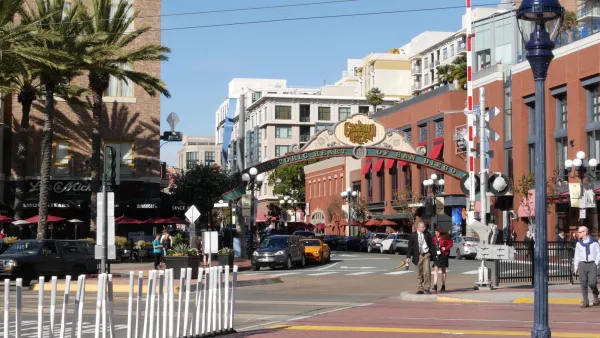
San Diego budget axes multimodal team at DOT
The budget scales back funding for some bike lane and traffic safety projects that are already in the works.

Atlanta’s ‘Walking Dead’ Bridge Gets People-Friendly Makeover
A bridge known for its skyline views is getting a new cycleway, pedestrian walkways, and ADA upgrades.
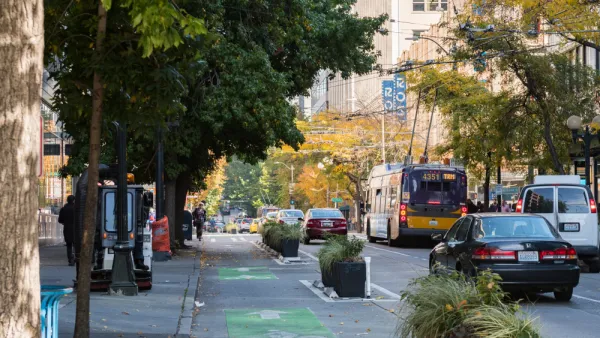
How Complete Streets Stands to Lose in the FY26 ‘Skinny Budget’
The President’s proposed budget could cut key resources for active transportation, public transit, and road safety programs.

Planetizen Federal Action Tracker
A weekly monitor of how Trump’s orders and actions are impacting planners and planning in America.

Colorado’s Largest Data Center Could Rise Next to Homes — Without a Public Hearing
The proposed campus would consume 11 times the power of Denver International Airport; as it has across the country, opposition mounts.

US to reduce Colorado River water deliveries to Mexico
A new Colorado Treaty amendment reduces Mexico’s Colorado River water allocation by 250,000 acre feet.

Judges permit Denver to divert 77,000 acre feet from the Colorado River for reservoir expansion
Overuse and climate change have caused the Colorado River’s water levels to plummet.

Amtrak, CN end decades-long dispute with eight-year agreement
The new operating agreement establishes an updated framework for the companies to work together, including processes to resolve disputes.
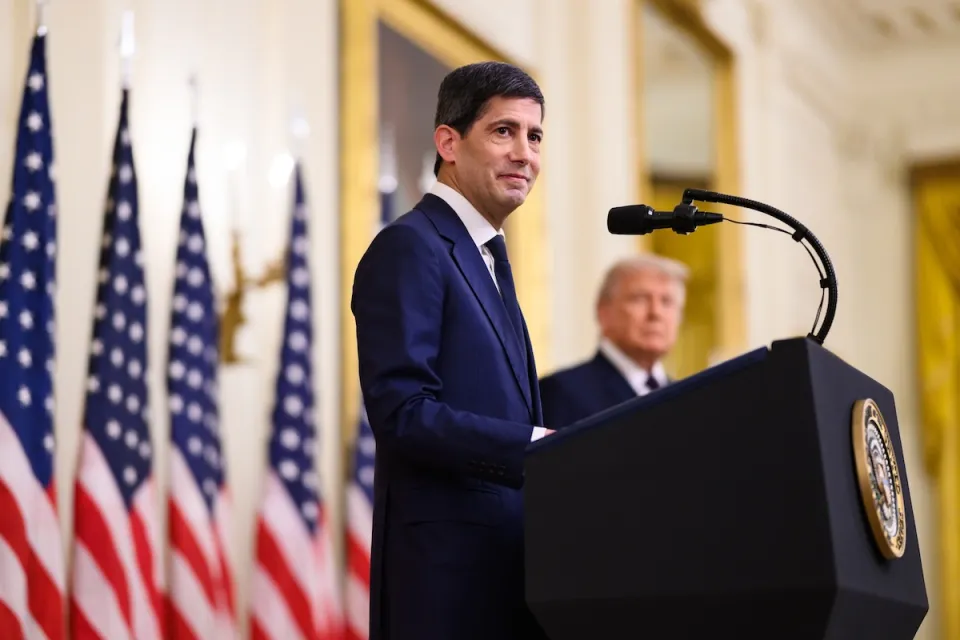
Raised interest rates may kill financially vulnerable construction projects
The chief economist at ConstructConnect warns that if construction project owners are negatively impacted by the raised rates, it could result in delayed payments to contractors.

FREE Course: Walkable City 1: Why Walkability?
After describing his path towards focusing on walkability as the essence of good planning, Jeff Speck marches through his five principal reasons for making more walkable places.
Reinventing Malls: Planning Alchemy—Turning Gray Fields Into Gold
The course focuses on the opportunities and imperatives that shape reinvention of mall sites.

KFH Group Inc.
Greater Baltimore Committee
Eagle County Government
The Architects Foundation
University of Cincinnati Online
The Pocatello Development Authority
The Urban Renewal Agency of the City of Pocatello