The Southern Maryland Rapid Transit Project could take thousands of cars off the road and ease congestion in one of the country's busiest corridors.



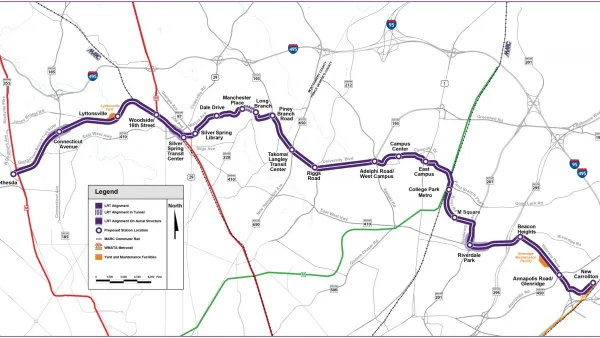
With the nation's highest per capita number of road fatalities and the country's costliest commute, Southern Maryland is proposing to alleviate traffic with a light rail project, reports Alex Holt. The 18.7-mile-long Southern Maryland Rapid Transit Project (SMRT) would include 13 stations and give D.C.-area commuters an alternative to personal vehicles.
The state has kicked around the idea since the 1990s without much progress, but as area traffic only gets worse as the population increases, SMRT could pick up more support. This January, state legislators introduced bills proposing to allocate $12 million and $15 million in the 2022 and 2023 budgets for the necessary environmental review that would move the SMRT project forward. Prince George County, which would host eight of the line's stops, has been a staunch supporter of the project, as has the Maryland Transit Caucus.
Governor Larry Hogan, however, has leaned heavily in favor of road projects, writes Alex Holt. Hogan supports doubling the number of lanes on the Harry Nice Bridge, a move that transportation experts say will only increase traffic through the area. SMRT supporters continue to push the project forward. "It's not just about transportation," said Delegate Debra Davis, who introduced one of the January bills. Light rail has the potential to promote economic development and improve public health and quality of life for Maryland residents.
Read the full story: A proposed light rail for Southern Maryland aims to relieve some of America’s worst traffic

Suburban Maryland Streets Need Pedestrian Improvements for Purple Line Riders
Montgomery County planners recommend the implementation of sidewalks, crosswalks, and bike lanes on streets within a half-mile radius of Purple Line light-rail stations.
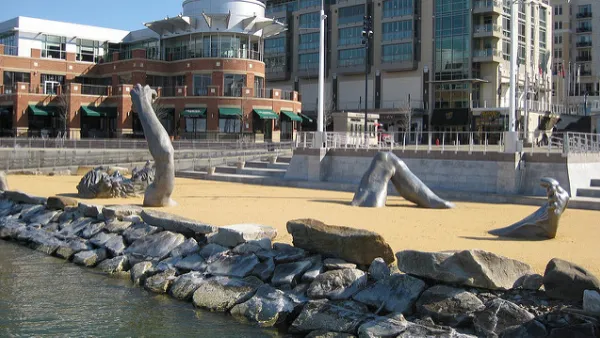
Maryland County National Leader in Green Infrastructure and Jobs
Community-based public-private partnerships are bringing green infrastructure jobs to Prince George’s County and cleaning up the Chesapeake Bay.
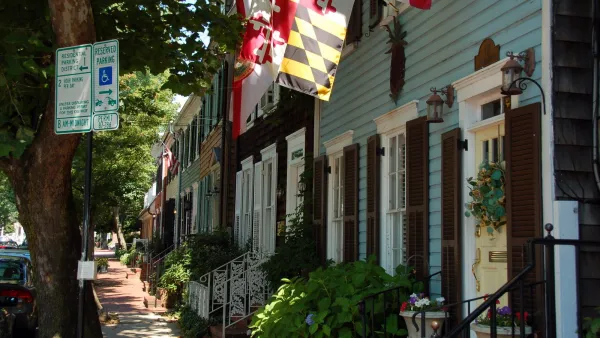
Changes to Annapolis Housing Program After Lackluster Results
Too many developers chose to pay in-lieu fees to the Maryland city, and the inclusionary housing program was not producing much affordable housing.

Planetizen Federal Action Tracker
A weekly monitor of how Trump’s orders and actions are impacting planners and planning in America.

The state-sanctioned urbicide of Austin
People don’t kill cities. Freeways do.

Colorado’s Largest Data Center Could Rise Next to Homes — Without a Public Hearing
The proposed campus would consume 11 times the power of Denver International Airport; as it has across the country, opposition mounts.

Judges permit Denver to divert 77,000 acre feet from the Colorado River for reservoir expansion
Overuse and climate change have caused the Colorado River’s water levels to plummet.
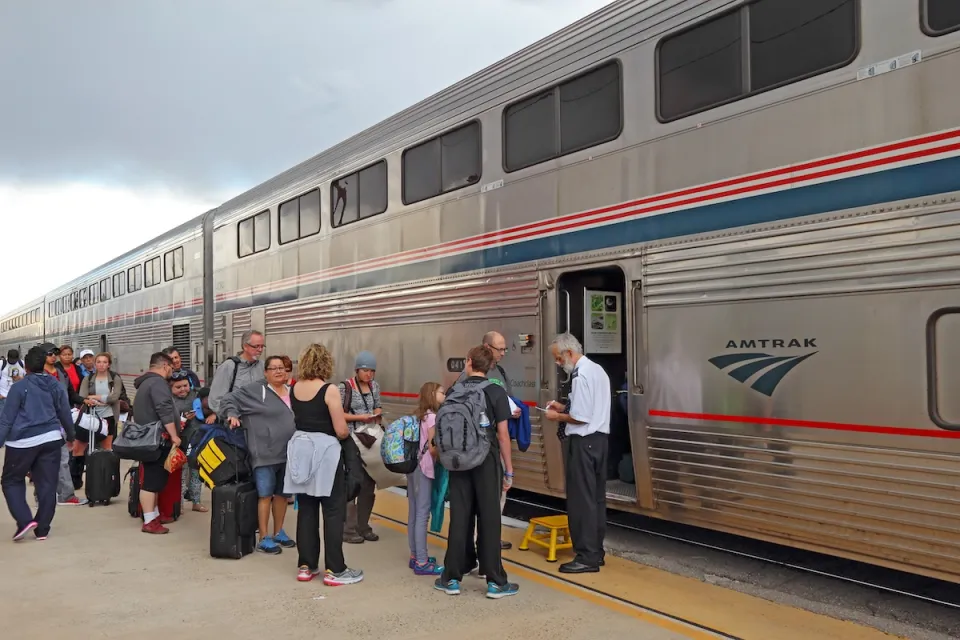
Amtrak, CN end decades-long dispute with eight-year agreement
The new operating agreement establishes an updated framework for the companies to work together, including processes to resolve disputes.

Raised interest rates may kill financially vulnerable construction projects
The chief economist at ConstructConnect warns that if construction project owners are negatively impacted by the raised rates, it could result in delayed payments to contractors.

FREE Course: Walkable City 1: Why Walkability?
After describing his path towards focusing on walkability as the essence of good planning, Jeff Speck marches through his five principal reasons for making more walkable places.
Reinventing Malls: Planning Alchemy—Turning Gray Fields Into Gold
The course focuses on the opportunities and imperatives that shape reinvention of mall sites.

KFH Group Inc.
Greater Baltimore Committee
Eagle County Government
The Architects Foundation
University of Cincinnati Online
The Pocatello Development Authority
The Urban Renewal Agency of the City of Pocatello