Too many developers chose to pay in-lieu fees to the Maryland city, and the inclusionary housing program was not producing much affordable housing.



"The city of Annapolis, Maryland, is changing a 15-year-old policy meant to produce modestly priced homes after finding that the program has barely worked," writes Jared Brey. The city’s inclusionary housing program, the Moderately Priced Dwelling Unit Program, had only produced 18 rentals units and 10 homes for purchase since 2004.
Most developers were opting to pay an in-lieu fee that city officials say was not high enough to allow the city to develop affordable housing. "So last week, as the Capital Gazette reported, Annapolis City Council voted to update the program, requiring moderate prices on 15 percent of both for-sale and rental units, and eliminating the in-lieu fee altogether," says Brey.
Raising the fee was an option, but the city decided that Annapolis did not offer enough development opportunities, notes Brey. "[The city council] wanted to squeeze as many moderately priced units out of the program as they could, [Alderman Marc] Rodriguez says."
FULL STORY: Running Out of Land, Annapolis Tweaks Housing Policy


Denver Debates Inclusionary Housing Plan
Atlanta's inclusionary housing program, which closely reflects the proposed Denver plan, could serve as a bellwether for Denver's own future.

San Francisco Supes Reject Proposal To Turn Parking Lot Into Housing
State legislators are decrying the Board of Supervisors' decision to reject a proposal to build a 495-unit apartment building on a downtown San Francisco parking lot.
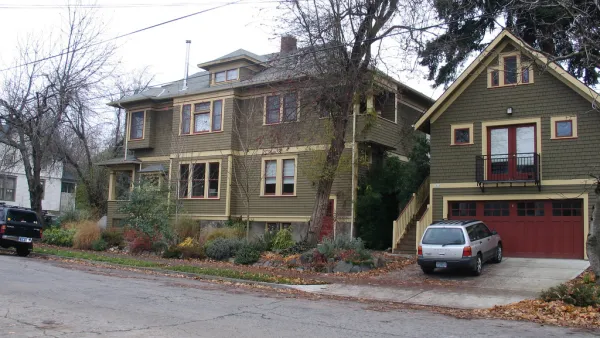
Making the Case for ADUs and Housing Equity
For Montgomery County in Maryland, accessory dwelling units are a viable strategy to help ease the affordable housing crisis.

The state-sanctioned urbicide of Austin
People don’t kill cities. Freeways do.

US to reduce Colorado River water deliveries to Mexico
A new Colorado Treaty amendment reduces Mexico’s Colorado River water allocation by 250,000 acre feet.

New Jersey’s second-largest city bans standalone data centers
Jersey City will continue to allow co-location facilities, such as those meant for research institutions that store their own data.

Amtrak not solely to blame for New Jersey commuter rail's unreliability, report finds
A new study from the Garden State Initiative found that NJ Transit’s budget grew 20% across a 4 year period, but reliability declined significantly over the same period.

EPA erases limits on planet-warming pollution from power plants
Under Monday’s plan, power plants would still have some limits on how much mercury, arsenic and other contaminants they can emit.

Phoenix announces new on-demand transit service, more frequent RAPID buses
Both new services will launch in October, and are part of Phoenix's Project Effective Access Solutions for Easing Congestion.

FREE Course: Walkable City 1: Why Walkability?
After describing his path towards focusing on walkability as the essence of good planning, Jeff Speck marches through his five principal reasons for making more walkable places.
Reinventing Malls: Planning Alchemy—Turning Gray Fields Into Gold
The course focuses on the opportunities and imperatives that shape reinvention of mall sites.

Eagle County Government
Harvard University Graduate School of Design
Nashville Planning Department
The Architects Foundation
University of Cincinnati Online
The Pocatello Development Authority
The Urban Renewal Agency of the City of Pocatello
Journal of the American Planning Association