For Montgomery County in Maryland, accessory dwelling units are a viable strategy to help ease the affordable housing crisis.



"Allowing more accessory apartments doesn’t overhaul zoning a la Minneapolis or Oregon, but provides a first step towards allowing a mix of compatible residential uses in single-family zones. It also starts a larger conversation about how we can provide more inclusive neighborhoods for those who are currently left out," writes Jane Lyons.
She examines more closely the potential of accessory dwelling units in Montgomery County in Maryland, where home prices and rents are high and the majority of the county is zoned for single-family homes. Additional ADUs mean more affordable, sustainable housing in the area.
"Every accessory apartment built on an existing lot in Silver Spring or Bethesda is a new home where infrastructure already exists, rather than in a greenfield farther out that would require new roads, schools, sewers, and water and the destruction of forests and farmland," notes Lyons.
Lyons adds that the county needs to simplify the process for designing, building, and financing ADUs, and it needs to partner with organizations that can support interested homeowners. “None of these initiatives would make a difference if a large swath of homes were barred from building an accessory apartment in the first place. That’s why updating zoning to allow for more accessory apartments was such an important move."
FULL STORY: Small size, big impact: Why accessory apartments matter

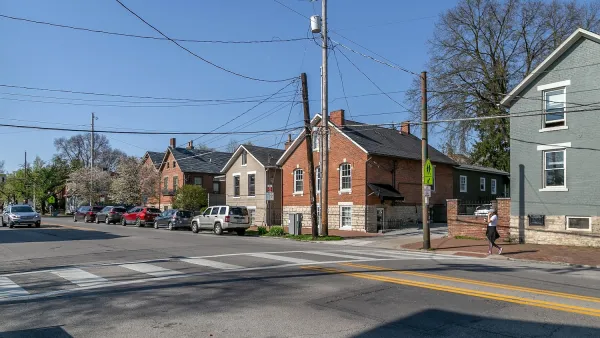
Columbus Introduces New Rules Allowing ADUs in all Residential Districts
The city’s recent zoning code updates include new rules for secondary housing units.

Massachusetts Zoning Reform Sparks ADU Surge
A 2024 law and a 2025 assistance program have spurred a flurry of ADU projects across the state.
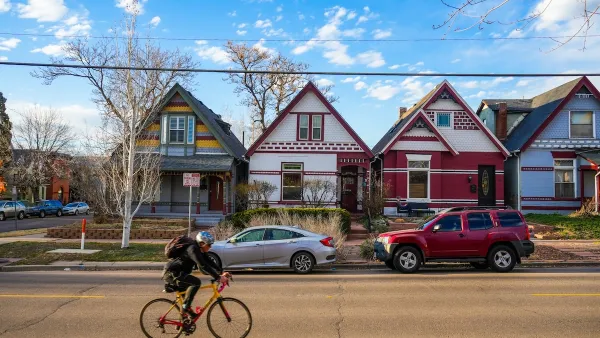
Amidst Colorado Affordability Crisis, Just 3% of Residential Land Zoned for Multifamily Housing
A new report suggests loosening restrictive zoning laws on multifamily development could help bring down high housing costs.

Planetizen Federal Action Tracker
A weekly monitor of how Trump’s orders and actions are impacting planners and planning in America.

The state-sanctioned urbicide of Austin
People don’t kill cities. Freeways do.

US to reduce Colorado River water deliveries to Mexico
A new Colorado Treaty amendment reduces Mexico’s Colorado River water allocation by 250,000 acre feet.

Baltimore to break ground on $50 million Transit Priority Project
The project will bring faster bus trips, safer streets and better bike connections to Baltimore.

Airbnb launches $250 million 'last-dollar financing' housing accelerator, makes first investment in Austin
The company will put $6.4 million towards affordable housing development in Texas’ capital.

Guerilla urbanists are building DIY bus stop benches in Chicago
A before-and-after of one of the bus stops with a new bench. The new benches are not officially sanctioned or permitted, but the residents who placed them hope they will be the start of a network of DIY benches across the city.

FREE Course: Walkable City 1: Why Walkability?
After describing his path towards focusing on walkability as the essence of good planning, Jeff Speck marches through his five principal reasons for making more walkable places.
Reinventing Malls: Planning Alchemy—Turning Gray Fields Into Gold
The course focuses on the opportunities and imperatives that shape reinvention of mall sites.

Eagle County Government
Harvard University Graduate School of Design
Nashville Planning Department
The Architects Foundation
University of Cincinnati Online
The Pocatello Development Authority
The Urban Renewal Agency of the City of Pocatello
Journal of the American Planning Association