The city wants to cut its car use in half by 2030 as part of an aggressive set of "aspirational" goals.


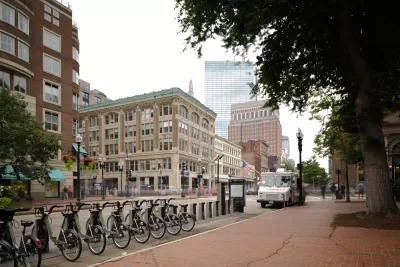
Boston's Department of Transportation is moving forward with its Connect Downtown bikeway project with new protected bike lanes which, the city hopes, will make bicycle travel "more comfortable and more possible" for Bostonians, according to the city's Chief of Streets Chris Osgood.
As part of the city's goals to combat climate change and improve transportation equity through its GoBoston 2030initiative, Boston hopes to cut citywide traffic by 50% in the next decade in part by promoting bicycling as a viable mode of transit. Other goals include expanded access to transit and safer and more reliable service, all actions that could not only boost transit ridership but vastly improve service for existing transit users.
The new bikeways connect downtown offices with existing routes to residential neighborhoods using painted lanes and flexible delineators. Streetsblog Mass offers a photo tour of the new infrastructure.
Read the full story: Eyes On the Street: Boston’s New Downtown Protected Bike Lanes
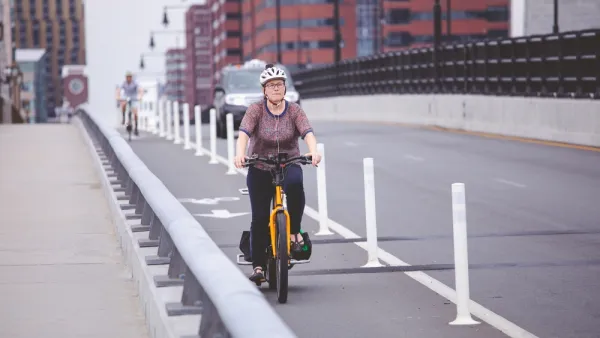
Boston Launches Ambitious Bike Plan
The city plans to dramatically expand its bike lane network, add to its bike share fleet, and provide new e-bike subsidies to residents.
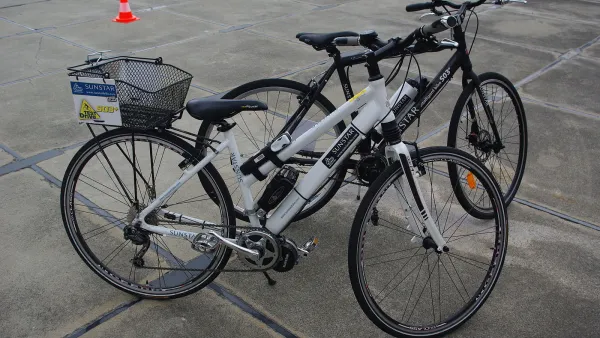
The E-Bike Boom Continues
The popularity of electric bikes doesn't seem to be waning as the devices outpace electric car sales by almost two to one.
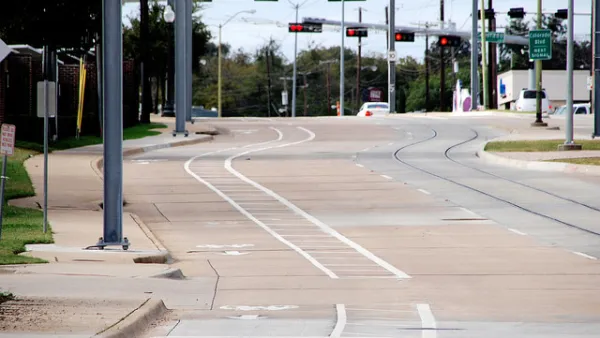
Dallas Makes First-Ever Annual Commitment to its Bike Lane Program
Dallas is making new commitments to alternative transportation options—the latest example is found in a budget expenditure for several bike lane projects.

Planetizen Federal Action Tracker
A weekly monitor of how Trump’s orders and actions are impacting planners and planning in America.

California plans to bury El Niño’s downpour
If the state plays its cards right, it may be able to store a billion acre-feet of El Niño’s water in aquifers.

Desperate measures: Advocates weigh draining Lake Powell to fill Colorado River
Draining the reservoir could reduce evaporation losses by a couple hundred thousand acre-feet.

In Texas, data centers are swallowing promised parkland
Residents who moved to Taylor, Texas for a rural community now have to contend with three data centers in their backyard.

How a Chicago-sized wind farm beat the odds and powered on
The project spanned five presidential administrations and a standoff with a U.S. military base.

MTA gives itself 30 days to transform pit into basketball court
The site has been under construction since 2022; the city originally estimated it would finish the court in 2024.

FREE Course: Walkable City 1: Why Walkability?
After describing his path towards focusing on walkability as the essence of good planning, Jeff Speck marches through his five principal reasons for making more walkable places.
Reinventing Malls: Planning Alchemy—Turning Gray Fields Into Gold
The course focuses on the opportunities and imperatives that shape reinvention of mall sites.

City of Rosemead
Rutgers University, Edward J. Bloustein School of Planning and Public Policy
One Hundred Miles
Hunter College, City University of New York (CUNY)
The Architects Foundation
University of Cincinnati Online
City of Cambridge
Montrose County
The Pocatello Development Authority