Using alternate transportation and driving less can help older drivers keep themselves and others safe. But with many living on fixed incomes in car-dependent communities, how realistic is the NHTSA’s recommendation for a "transportation plan"?


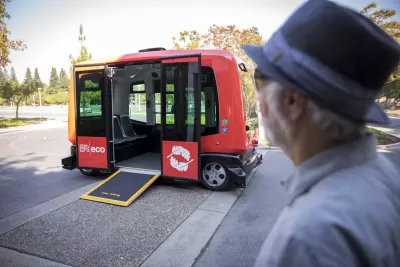
As part of its Older Driver Safety Awareness Week, the National Highway Traffic Safety Administration (NHTSA) recommends that older drivers prepare a "transportation plan" to reduce their driving and decrease their risk of traffic accidents. But for many Americans living in car-dependent areas, this is more easily said than done.
While the NHTSA offers suggestions such as adaptive equipment, the agency fails to address the gaps in public transit infrastructure that keep many seniors dependent on their car for basic needs. "That’s a serious problem for a population group that has the single highest rate of fatal car crashes per mile, and who are more likely to be involved in multi-car crashes rather than single-vehicle impacts that harm only themselves," writes Kea Wilson of Streetsblog USA. In 2018, 19% of traffic fatalities were people over 65.
Although a third of Americans over 60 say that they have a disability that makes driving difficult, an overwhelming majority of them still drive their vehicles. With fatalities involving elderly drivers and pedestrian deaths soaring, increasing the availability and convenience of public transportation for car-dependent seniors is an important part of improving traffic safety for all age groups.
FULL STORY: Memo to Feds: To Keep Seniors Safe on Our Roads, End Car Dependence


Ted Cruz Blames Safety Features for the Rising Cost of Cars; Senate Could Roll Back Regulations
A Senate committee will hear testimony by automakers in a hearing that could determine whether autonomous emergency braking and other safety features will be mandatory on new cars.
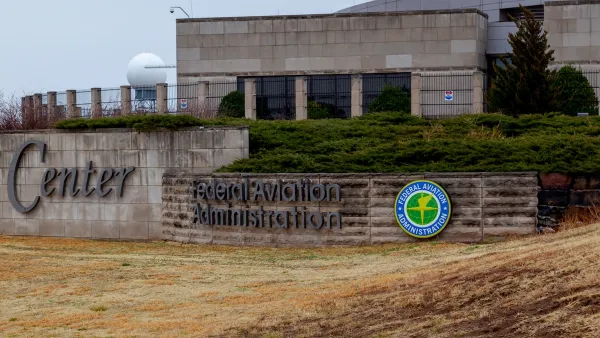
7% of USDOT Workforce Accept ‘Deferred Resignation’ Offer
Close to half of the 4,127 employees leaving federal agencies will come from the Federal Aviation Administration.

Preparing Transportation Systems for the ‘Silver Tsunami’
More Americans than ever will age beyond their safe ability to drive. How will they meet their mobility needs in a car-centric society?

Planetizen Federal Action Tracker
A weekly monitor of how Trump’s orders and actions are impacting planners and planning in America.

The state-sanctioned urbicide of Austin
People don’t kill cities. Freeways do.

US to reduce Colorado River water deliveries to Mexico
A new Colorado Treaty amendment reduces Mexico’s Colorado River water allocation by 250,000 acre feet.

5 New England states march closer to 800 megawatt wind energy project
Securing federal approval for the project may be complicated under the Trump administration, which has historically been hostile towards domestic wind power.

Baltimore to break ground on $50 million Transit Priority Project
The project will bring faster bus trips, safer streets and better bike connections to Baltimore.

Airbnb launches $250 million 'last-dollar financing' housing accelerator, makes first investment in Austin
The company will put $6.4 million towards affordable housing development in Texas’ capital.

FREE Course: Walkable City 1: Why Walkability?
After describing his path towards focusing on walkability as the essence of good planning, Jeff Speck marches through his five principal reasons for making more walkable places.
Reinventing Malls: Planning Alchemy—Turning Gray Fields Into Gold
The course focuses on the opportunities and imperatives that shape reinvention of mall sites.

Eagle County Government
Harvard University Graduate School of Design
Nashville Planning Department
The Architects Foundation
University of Cincinnati Online
The Pocatello Development Authority
The Urban Renewal Agency of the City of Pocatello
Journal of the American Planning Association