The city of Philadelphia offers a case study for the challenges and potential benefits of home repair programs.


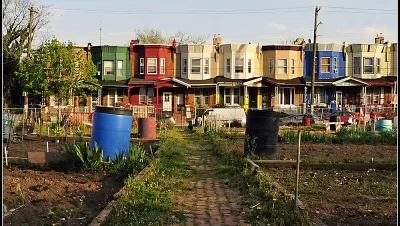
An article by Michelle Bond writes on an effort in Philadelphia to maintain and repair existing housing units as an affordable housing program.
Bond describes potential and necessity of the approach:
Philadelphia’s housing stock is old and can be expensive to maintain — challenges in a city with a 23% poverty rate, incomes that aren’t keeping pace with rising home prices, and now a pandemic-induced recession. Philadelphia and other cities across the country have been struggling to address a lack of housing that their residents can afford. Every home that becomes uninhabitable and abandoned or crumbles due to disrepair is one fewer home available to mitigate the affordable housing crisis. Two years ago, the city’s 10-year housing plan identified revitalizing existing housing stock as one of Philadelphia’s greatest challenges. But it’s also one of its biggest opportunities.
While organizations like the Philadelphia Housing Development Corp., Habitat for Humanity Philadelphia, Rebuilding Together Philadelphia, and community development corporations are working to help homeowners with repairs, the need is greater than the resources available for the work, according to the article. The Philadelphia Housing Development Corp. is looking for contractors "to participate in its basic repair and adaptive home modification programs," according to Bond. "Its low-interest loan program saw a spike in applicants over the summer, and the nonprofit is reviewing proposals from additional banks that want to participate."
As a next step, the Philadelphia City Council is "considering a 1% tax on construction to fund affordable housing programs that would help close funding gaps for initiatives such as home maintenance grant programs…"
Some context for the newsiness of this article clearly comes from a recent landmark decision by the city to turn vacant properties over to a community land trust for residents living in homeless encampments.
FULL STORY: Philadelphia’s affordable housing strategy depends on repairing existing homes

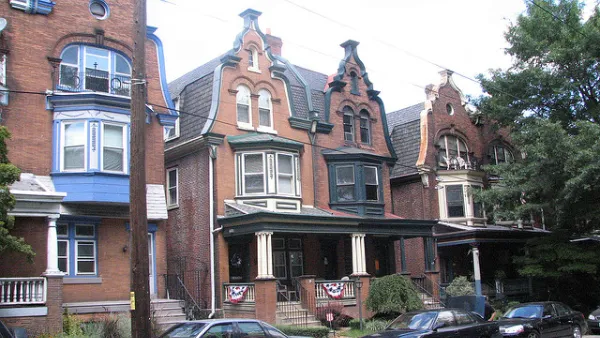
Cost to Repair Philadelphia Homes Is $2.7 Billion, Study Finds
Many homes in Philadelphia are in need of repairs, and low-income renters are most affected by substandard housing.
Philadelphia Searching for New Affordable Housing Tools
Two proposed pieces of legislation would create a new revenue stream for Philadelphia's affordable housing efforts and protect tenants of existing affordable units.
Consensus on Changes to Property Tax Abatement Too Challenging for Philadelphia
Despite over a year of proposals, counter proposals, and heated debate, the city of Philadelphia has yet to broker a breakthrough on proposed reforms to the city's ten-year property tax abatement program.

Planetizen Federal Action Tracker
A weekly monitor of how Trump’s orders and actions are impacting planners and planning in America.

The state-sanctioned urbicide of Austin
People don’t kill cities. Freeways do.

US to reduce Colorado River water deliveries to Mexico
A new Colorado Treaty amendment reduces Mexico’s Colorado River water allocation by 250,000 acre feet.

LA Metro’s ultimatum: no extra buses for LA28 if federal funding isn’t imminently secured
If Metro does not provide additional buses, LA28 organizers will have to find a new way to manage Olympic traffic. LA28’s budget does not include a line item for transit.

Colorado’s Largest Data Center Could Rise Next to Homes — Without a Public Hearing
The proposed campus would consume 11 times the power of Denver International Airport; as it has across the country, opposition mounts.

5 New England states march closer to 800 megawatt wind energy project
Securing federal approval for the project may be complicated under the Trump administration, which has historically been hostile towards domestic wind power.

FREE Course: Walkable City 1: Why Walkability?
After describing his path towards focusing on walkability as the essence of good planning, Jeff Speck marches through his five principal reasons for making more walkable places.
Reinventing Malls: Planning Alchemy—Turning Gray Fields Into Gold
The course focuses on the opportunities and imperatives that shape reinvention of mall sites.

Eagle County Government
Harvard University Graduate School of Design
Nashville Planning Department
The Architects Foundation
University of Cincinnati Online
The Pocatello Development Authority
The Urban Renewal Agency of the City of Pocatello
Journal of the American Planning Association