Despite over a year of proposals, counter proposals, and heated debate, the city of Philadelphia has yet to broker a breakthrough on proposed reforms to the city's ten-year property tax abatement program.



Philadelphia Councilmember Helen Gym has made reforming the city's 10-year property tax abatement a top legislative priority, proposing bills in 2018 to change the subsidy, and sparking a wave of debates and further suggestions for changes in the time since.
Despite all the debate and suggestions, "when Council’s spring session concluded last month, none of the six pending abatement reform bills had received so much as a hearing," according to an article by Jake Blumgart. The question raised by Blumgart is why the reform of the property tax abatement is so easy to talk about but so hard to deliver.
Gym has "refused to place blame on specific actors." Mayor Jim Kenney says consensus has been hard to build. Still, despite the strong support of the current abatement from two of the city's most influential local interest groups, the real estate industry and building trades unions, the tide does some to be turning in favor of making the property tax abatement work to the benefit of affordable housing more than it does in its current format. As noted by Blumgart, some builders also support the idea of reforming the current tax abatement.
FULL STORY: Why Philadelphia punted on tax abatement reform...again

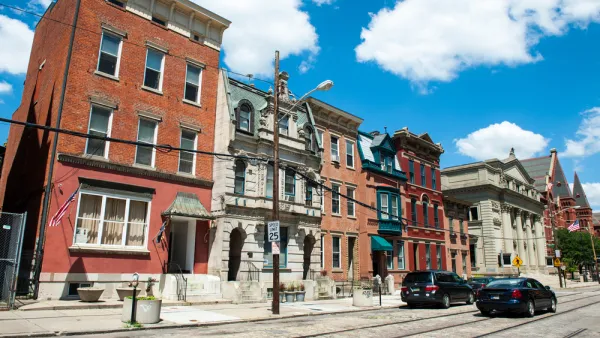
Voters Reject Cincinnati's Affordable Housing Ballot Issue
A charter amendment that would have guaranteed funding for the Cincinnati Housing trust Fund was soundly defeated by voters in a citywide election last week.
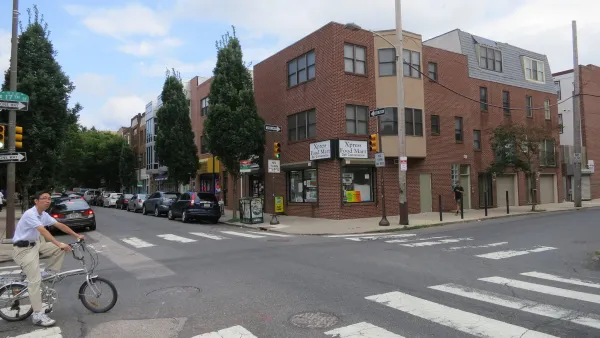
Density Skepticism and Neighborhood Protection
Resistance mounts to the zoning reforms gaining traction in the United States.

Housing Trust Fund Vote Stirs Controversy in Cincinnati
A housing policy debate is taking place on the editorial pages of Cincinnati publications.

Planetizen Federal Action Tracker
A weekly monitor of how Trump’s orders and actions are impacting planners and planning in America.

The state-sanctioned urbicide of Austin
People don’t kill cities. Freeways do.

US to reduce Colorado River water deliveries to Mexico
A new Colorado Treaty amendment reduces Mexico’s Colorado River water allocation by 250,000 acre feet.

5 New England states march closer to 800 megawatt wind energy project
Securing federal approval for the project may be complicated under the Trump administration, which has historically been hostile towards domestic wind power.

Baltimore to break ground on $50 million Transit Priority Project
The project will bring faster bus trips, safer streets and better bike connections to Baltimore.

Airbnb launches $250 million 'last-dollar financing' housing accelerator, makes first investment in Austin
The company will put $6.4 million towards affordable housing development in Texas’ capital.

FREE Course: Walkable City 1: Why Walkability?
After describing his path towards focusing on walkability as the essence of good planning, Jeff Speck marches through his five principal reasons for making more walkable places.
Reinventing Malls: Planning Alchemy—Turning Gray Fields Into Gold
The course focuses on the opportunities and imperatives that shape reinvention of mall sites.

Eagle County Government
Harvard University Graduate School of Design
Nashville Planning Department
The Architects Foundation
University of Cincinnati Online
The Pocatello Development Authority
The Urban Renewal Agency of the City of Pocatello
Journal of the American Planning Association