The popularity of the mortgage forbearance program enabled by the CARES Act is one reason not to fear a housing crash like the Great Recession, yet.


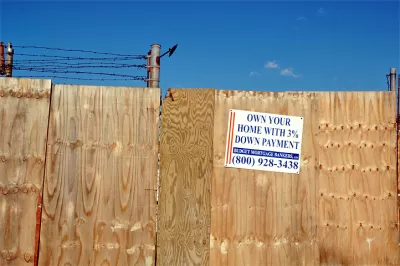
"Mortgage delinquencies hit a record in April, well above anything seen during the Great Recession," reports Andrew Van Dam. "Some 3.4 percent of Americans became at least 30 days delinquent on their mortgage in April, according to a new analysis from CoreLogic."
While such high delinquency rates would usually indicate a sign of a housing crash to come, Van Dam offers a caveat about the many uncertainties of the current economy, and says a housing crash like in the Great Recession isn't certain.
"For starters, the new delinquency figure includes an unknown number of households who are late on their payments because their loans are in forbearance, CoreLogic chief economist Frank Nothaft said." More details on the popularity of the mortgage forbearance program enabled by the CARES Act is included in the source article.
The mortgage delinquencies data also stands in contrast to industry reports of sales of new houses increasing faster than any year since 2005—at the peak of the housing boom of the aughts.
In additional bad news about the economy and health of the housing market, new data from Apartment List indicates that 32 percent of households haven't yet made their housing payments for the month of July.
FULL STORY: An indicator that presaged the housing crisis is flashing red again

Real Estate Defaults Are Coming. Don’t Waste Them.
Here’s what the federal government should do to grab the opportunity to create affordable housing.
Federal Eviction and Foreclosure Moratorium Extended Until the End of August
Breaking news: a federal moratorium on evictions and foreclosures of single-family mortgages backed by Fannie Mae and Freddie Mac will be extended until at least the end of August. The moratorium had been set to expire at the end of June.
Report: $15.5 Billion Per Month Needed for Housing Market Relief
A new report from researchers at the Urban Institute makes the case for federal and state relief for renters and property owners hurt by the economic realities of the coronavirus pandemic.

Planetizen Federal Action Tracker
A weekly monitor of how Trump’s orders and actions are impacting planners and planning in America.

The state-sanctioned urbicide of Austin
People don’t kill cities. Freeways do.

US to reduce Colorado River water deliveries to Mexico
A new Colorado Treaty amendment reduces Mexico’s Colorado River water allocation by 250,000 acre feet.

Airbnb launches $250 million 'last-dollar financing' housing accelerator, makes first investment in Austin
The company will put $6.4 million towards affordable housing development in Texas’ capital.

Guerilla urbanists are building DIY bus stop benches in Chicago
A before-and-after of one of the bus stops with a new bench. The new benches are not officially sanctioned or permitted, but the residents who placed them hope they will be the start of a network of DIY benches across the city.

Mamdani overhauls NYC's Vision Zero plan with 100 new policy goals
The overhaul aims to reduce traffic deaths and make streets safer for pedestrians, cyclists and drivers through lower speed limits, new safety infrastructure and more.

FREE Course: Walkable City 1: Why Walkability?
After describing his path towards focusing on walkability as the essence of good planning, Jeff Speck marches through his five principal reasons for making more walkable places.
Reinventing Malls: Planning Alchemy—Turning Gray Fields Into Gold
The course focuses on the opportunities and imperatives that shape reinvention of mall sites.

Eagle County Government
Harvard University Graduate School of Design
Nashville Planning Department
The Architects Foundation
University of Cincinnati Online
The Pocatello Development Authority
The Urban Renewal Agency of the City of Pocatello
Journal of the American Planning Association