The potential of the coronavirus to influence the way we travel and where we live is explored in this deep dive that also imagines how the world might benefit from less vehicle travel, during and after a pandemic.


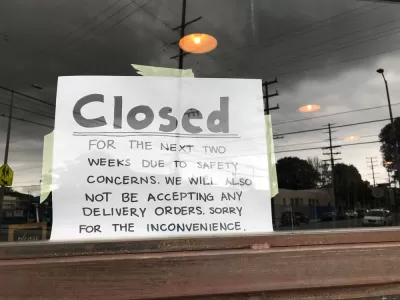
An article by Steve Winkelman commences as follows:
Don’t just do something, stand there! Few of us could have imagined that a key strategy to save millions of lives was to just stay put. (Practitioners of meditation and mindfulness were probably better prepared.)
Billions of us, indeed are staying home, avoiding travel and driving shorter distances. We are figuring out which trips are truly essential, what we can afford and which travel modes and patterns are safest. At the same time, millions of people do not have the choice to work from home or the luxury to stay put. And that exacerbates longstanding structural inequalities pertaining to race and income.
The full article, linked below, is the second in a series by Steve Winkelman for Green Resilience that explores how lessons from the pandemic response might help accelerate climate action. This article focuses on the greenhouse gas emissions of transportation, the ongoing debate about how much density is causing transmission of the coronavirus, and more.
FULL STORY: Mobilizing Against COVID-19 (by staying put)

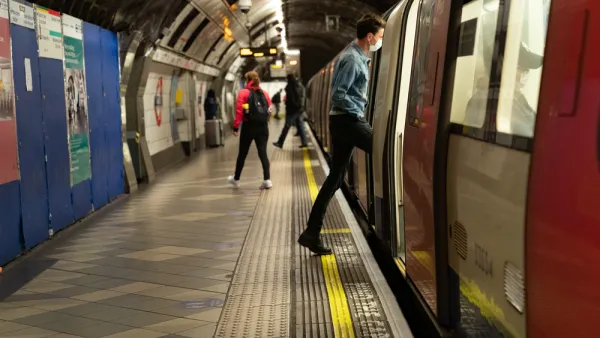
Falling Transit Ridership 'Disastrous' for Greenhouse Gas Reductions
With ridership at record lows and agencies struggling to stay afloat, public transit around the world will need robust investment to recover after the pandemic.
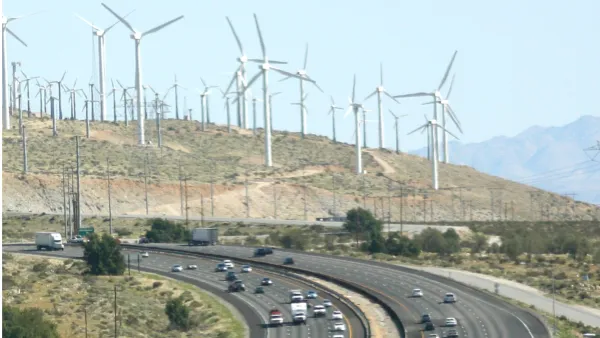
Can Emissions Reductions Last Beyond the Pandemic?
The dramatic reductions in carbon emissions during the last year only highlight how drastically humans must change behavior to meet climate goals.
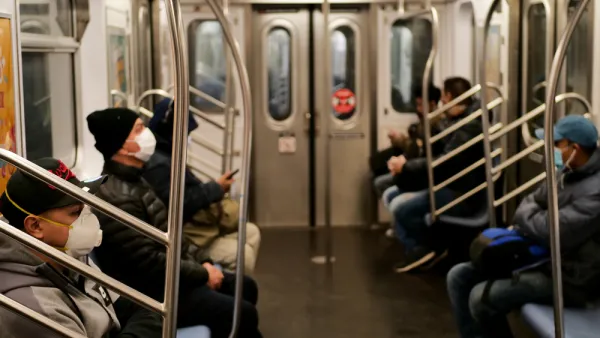
Pandemic Public Transit Fears Unfounded
A knee-jerk history of coronavirus in New York City is being revised.

Planetizen Federal Action Tracker
A weekly monitor of how Trump’s orders and actions are impacting planners and planning in America.

The state-sanctioned urbicide of Austin
People don’t kill cities. Freeways do.

US to reduce Colorado River water deliveries to Mexico
A new Colorado Treaty amendment reduces Mexico’s Colorado River water allocation by 250,000 acre feet.

5 New England states march closer to 800 megawatt wind energy project
Securing federal approval for the project may be complicated under the Trump administration, which has historically been hostile towards domestic wind power.

Baltimore to break ground on $50 million Transit Priority Project
The project will bring faster bus trips, safer streets and better bike connections to Baltimore.

Airbnb launches $250 million 'last-dollar financing' housing accelerator, makes first investment in Austin
The company will put $6.4 million towards affordable housing development in Texas’ capital.

FREE Course: Walkable City 1: Why Walkability?
After describing his path towards focusing on walkability as the essence of good planning, Jeff Speck marches through his five principal reasons for making more walkable places.
Reinventing Malls: Planning Alchemy—Turning Gray Fields Into Gold
The course focuses on the opportunities and imperatives that shape reinvention of mall sites.

Eagle County Government
Harvard University Graduate School of Design
Nashville Planning Department
The Architects Foundation
University of Cincinnati Online
The Pocatello Development Authority
The Urban Renewal Agency of the City of Pocatello
Journal of the American Planning Association