VMT Reductions
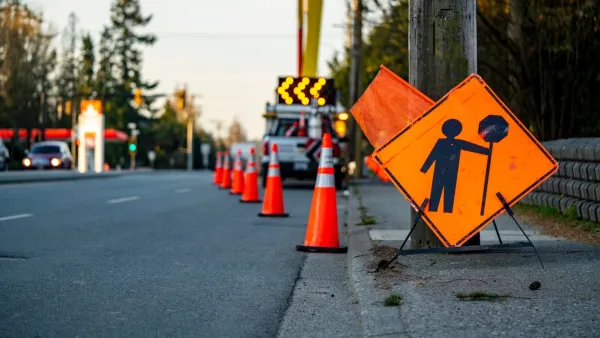
Old Versus New Traffic Safety Paradigms
Current U.S. traffic safety programs are failing to reduce crash rates. A new traffic safety paradigm expands the scope of strategies that can be used to reduce crashes, which increases effectiveness and total benefits.
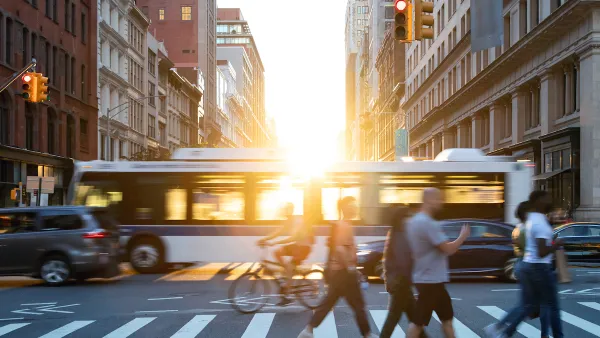
When it Comes to Vehicle Travel, Less is More
Motor vehicle travel provides many benefits, but also imposes large costs on users and communities. With better planning people can drive less, rely more on non-auto modes, enjoy more access, and be better off overall as a result.
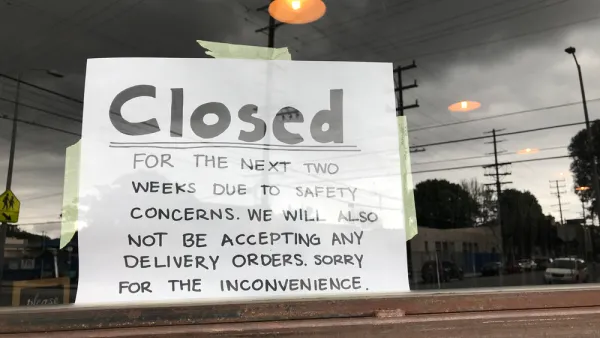
Staying Put to Fight COVID-19
The potential of the coronavirus to influence the way we travel and where we live is explored in this deep dive that also imagines how the world might benefit from less vehicle travel, during and after a pandemic.

FREE Course: Walkable City 1: Why Walkability?
After describing his path towards focusing on walkability as the essence of good planning, Jeff Speck marches through his five principal reasons for making more walkable places.
Reinventing Malls: Planning Alchemy—Turning Gray Fields Into Gold
The course focuses on the opportunities and imperatives that shape reinvention of mall sites.

City of Rosemead
Rutgers University, Edward J. Bloustein School of Planning and Public Policy
One Hundred Miles
University of Michigan School for Environment and Sustainability (SEAS)
Hunter College, City University of New York (CUNY)
The Architects Foundation
City of Cambridge
The Pocatello Development Authority
The Urban Renewal Agency of the City of Pocatello









