Parking garages and lots could help shape the new mobility landscape in important ways that go far beyond storing cars.


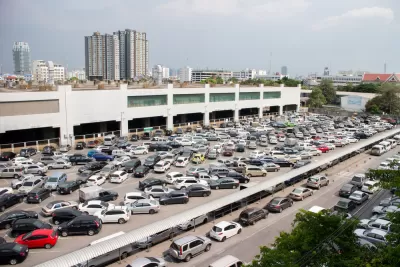
Mobility technology is evolving and new modes are becoming part of the urban landscape, but the infrastructure of cities has not kept up, argues Neil Golson. "Currently, our streets, curbs and sidewalks are bearing the weight, leaving us with gridlock, pollution and cities that are certainly not 'smart.'"
Parking garages and lots have been affected by these rapid changes in mobility, and the industry has made moves to modernize parking assets. But operators have yet to fully tap into the ways these parking assets could accommodate micromobility, shared mobility, and electric vehicles, says Golson.
Parking facilities could also be essential to the integration of these modes into a larger mobility network. "Parking assets equipped with the right technology, intelligence and connectivity can transform into hubs that meet modern mobility needs and unlock the full potential of the smart city," he adds.
FULL STORY: Parking is the missing piece of the smart city puzzle

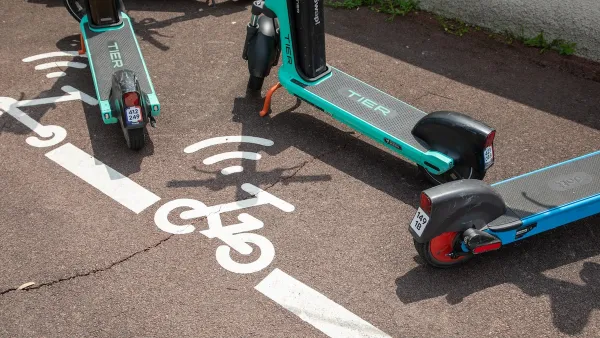
E-Scooter Parking: A Guide
How smart planning — and ample designated parking — can end conflicts over shared scooters.
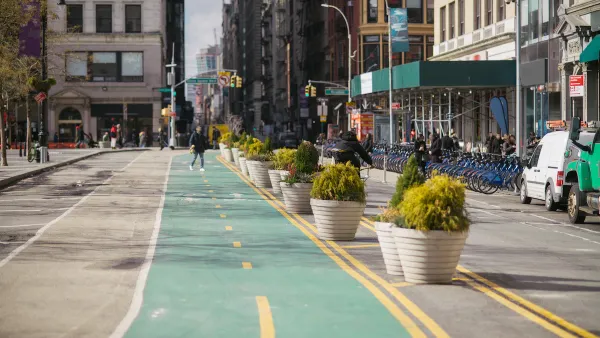
Leading Micromobility Trends for 2024: From Urban Streets to Regional Implementation
The proliferation of micromobility as a viable transportation mode offers the opportunity for cities to reimagine how they allocate public space.
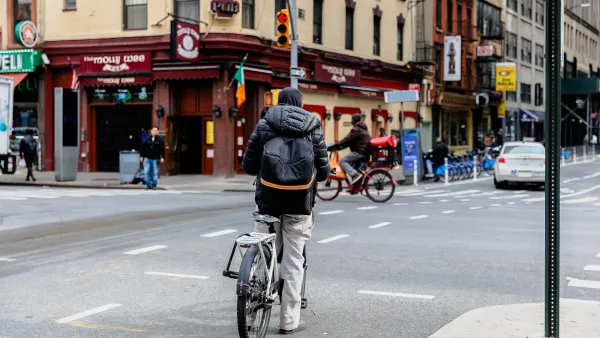
NYC e-bike injury study highlights 'critical infrastructure deficiencies'
The sharp rise in e-mobility injuries points to a need for safer roads, not more punitive laws.

Planetizen Federal Action Tracker
A weekly monitor of how Trump’s orders and actions are impacting planners and planning in America.

The state-sanctioned urbicide of Austin
People don’t kill cities. Freeways do.

US to reduce Colorado River water deliveries to Mexico
A new Colorado Treaty amendment reduces Mexico’s Colorado River water allocation by 250,000 acre feet.

5 New England states march closer to 800 megawatt wind energy project
Securing federal approval for the project may be complicated under the Trump administration, which has historically been hostile towards domestic wind power.

Baltimore to break ground on $50 million Transit Priority Project
The project will bring faster bus trips, safer streets and better bike connections to Baltimore.

Airbnb launches $250 million 'last-dollar financing' housing accelerator, makes first investment in Austin
The company will put $6.4 million towards affordable housing development in Texas’ capital.

FREE Course: Walkable City 1: Why Walkability?
After describing his path towards focusing on walkability as the essence of good planning, Jeff Speck marches through his five principal reasons for making more walkable places.
Reinventing Malls: Planning Alchemy—Turning Gray Fields Into Gold
The course focuses on the opportunities and imperatives that shape reinvention of mall sites.

Eagle County Government
Harvard University Graduate School of Design
Nashville Planning Department
The Architects Foundation
University of Cincinnati Online
The Pocatello Development Authority
The Urban Renewal Agency of the City of Pocatello
Journal of the American Planning Association