Municipalities can help fill in a crucial piece of the affordable housing puzzle by making public land accessible for development.


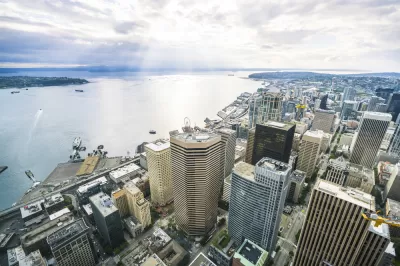
"Housing is expensive to construct and maintain, so every dollar saved on land or other costs helps affordable developments pencil out. Leveraging public land for affordable housing allows local jurisdictions to make a substantial contribution to more affordable housing without imposing (PDF) additional taxes or fees on residents," writes Aaron Shroyer.
Seattle has moved away from an approach that seeks to maximize revenue from the sale of public land and instead considers the best use of the land. Last year, the city passed a resolution that makes affordable housing a priority when disposing of public land. "The City of Seattle is also looking more expansively at use of public land by exploring opportunities at smaller-scale properties and through partnerships with other public agencies," says Shroyer.
Shroyer encourages other jurisdictions to look to Seattle as an example of how to prioritize the use of public land for affordable housing developments. "Municipal governments should also work with other public entities, such as transportation authorities, hospitals, and school districts, that may have surplus land suitable for affordable housing development," he adds.
FULL STORY: How Using Public Land Can Help Address Housing Shortages

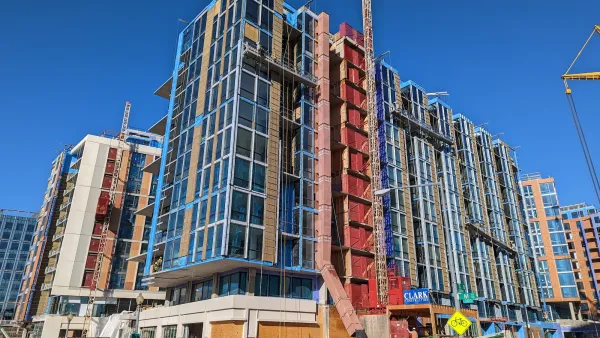
Analysis: DC needs tens of thousands of new homes — not just 'zoned capacity'
Estimates for Washington DC's housing needs range from 15,000 to 170,000.
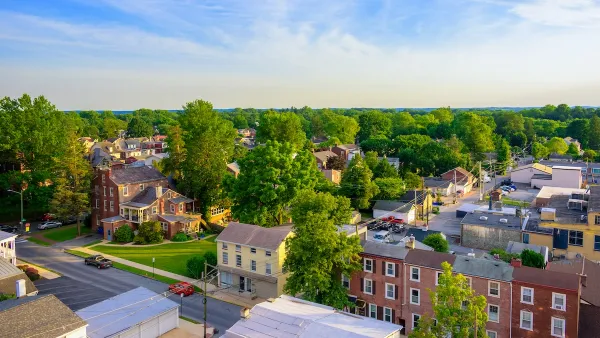
Pennsylvania Short Over 100,000 Housing Units
More Pennsylvanians are renting instead of buying, even as the state makes significant strides to increase the affordable housing supply.

Report: Las Vegas, Houston Top List of Least Affordable Cities
The report assesses the availability of affordable rental units for low-income households.

Planetizen Federal Action Tracker
A weekly monitor of how Trump’s orders and actions are impacting planners and planning in America.

The state-sanctioned urbicide of Austin
People don’t kill cities. Freeways do.

US to reduce Colorado River water deliveries to Mexico
A new Colorado Treaty amendment reduces Mexico’s Colorado River water allocation by 250,000 acre feet.

5 New England states march closer to 800 megawatt wind energy project
Securing federal approval for the project may be complicated under the Trump administration, which has historically been hostile towards domestic wind power.

Baltimore to break ground on $50 million Transit Priority Project
The project will bring faster bus trips, safer streets and better bike connections to Baltimore.

Airbnb launches $250 million 'last-dollar financing' housing accelerator, makes first investment in Austin
The company will put $6.4 million towards affordable housing development in Texas’ capital.

FREE Course: Walkable City 1: Why Walkability?
After describing his path towards focusing on walkability as the essence of good planning, Jeff Speck marches through his five principal reasons for making more walkable places.
Reinventing Malls: Planning Alchemy—Turning Gray Fields Into Gold
The course focuses on the opportunities and imperatives that shape reinvention of mall sites.

Eagle County Government
Harvard University Graduate School of Design
Nashville Planning Department
The Architects Foundation
University of Cincinnati Online
The Pocatello Development Authority
The Urban Renewal Agency of the City of Pocatello
Journal of the American Planning Association