U.S. Rep. Earl Blumenauer (D-Oregon) offers perspective on the U.S. housing crisis, the scale and complexity of which he argues demands affirmative federal action.


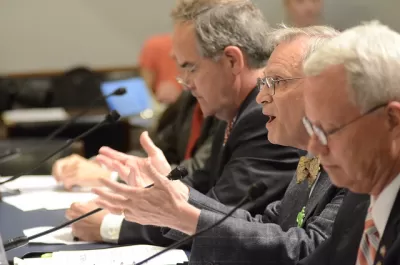
In a recent report, "Locked Out: Reversing Federal Housing Failures & Unlocking Opportunity," Rep. Earl Blumenauer (D-Oregon) documented both the federal government's historic role in providing housing for some, most often at the expense of communities of color, as well as the current grab bag of "upside-down" incentives that make up today’s federal housing policy.
In this exclusive interview with The Planning Report, Rep. Blumenauer—who was a leader in effectuating Oregon’s groundbreaking land use laws and who has been deemed by his colleagues, "Congress’ chief spokesperson for Livable Communities"—offers his Congressional perspective on the nation’s housing crisis, the scale and complexity of which he argues demands affirmative federal action:
"The federal government does invest lots of money on housing, but it flows primarily to people who need it the least. They’re involved with things like healthcare, but these are after the fact. If we have a comprehensive approach—for a federal partnership with the state, local, and private sectors—we’ll get more value and do it faster."
FULL STORY: US Rep. Earl Blumenauer Argues for a Reset & Reevaluation of Federal Housing Programs

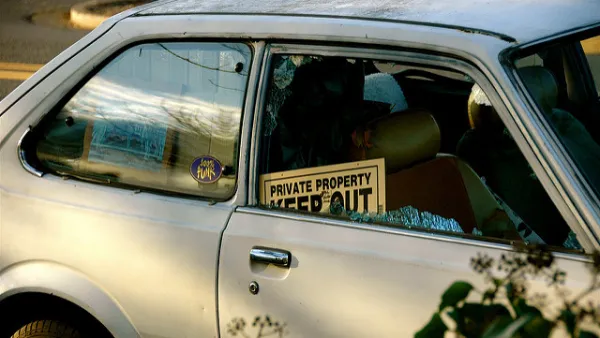
The Homeless Working Poor
The Salinas Valley in California is an agricultural powerhouse, but homelessness and hunger abound. Finding affordable housing is becoming increasingly difficult, even for people with jobs.

SROs Are Getting People Off the Streets in Portland
Single-room-occupancy hotels are providing much-needed affordable housing for the city’s most vulnerable residents.

California Needs a Marshall Plan for Housing, According to New Governor
Governor Gavin Newsom talks tough on housing in California.

Planetizen Federal Action Tracker
A weekly monitor of how Trump’s orders and actions are impacting planners and planning in America.

The state-sanctioned urbicide of Austin
People don’t kill cities. Freeways do.

US to reduce Colorado River water deliveries to Mexico
A new Colorado Treaty amendment reduces Mexico’s Colorado River water allocation by 250,000 acre feet.

Baltimore to break ground on $50 million Transit Priority Project
The project will bring faster bus trips, safer streets and better bike connections to Baltimore.

Airbnb launches $250 million 'last-dollar financing' housing accelerator, makes first investment in Austin
The company will put $6.4 million towards affordable housing development in Texas’ capital.

Guerilla urbanists are building DIY bus stop benches in Chicago
A before-and-after of one of the bus stops with a new bench. The new benches are not officially sanctioned or permitted, but the residents who placed them hope they will be the start of a network of DIY benches across the city.

FREE Course: Walkable City 1: Why Walkability?
After describing his path towards focusing on walkability as the essence of good planning, Jeff Speck marches through his five principal reasons for making more walkable places.
Reinventing Malls: Planning Alchemy—Turning Gray Fields Into Gold
The course focuses on the opportunities and imperatives that shape reinvention of mall sites.

Eagle County Government
Harvard University Graduate School of Design
Nashville Planning Department
The Architects Foundation
University of Cincinnati Online
The Pocatello Development Authority
The Urban Renewal Agency of the City of Pocatello
Journal of the American Planning Association