The world is noisier than ever, and the long-term effects of exposure are serious. Still, noise pollution isn’t considered a legitimate environmental hazard.


"Noise is never just about sound; it is inseparable from issues of power and powerlessness. It is a violation we can’t control and to which, because of our anatomy, we cannot close ourselves off," writes Bianca Bosker. In this feature piece, she examines the increase in noise, in cities as well as in the most remote of places, and the physical and psychological toll on humans and animals.
Research has clearly shown that noise impacts health in a number of ways, reports Bosker. "Large-scale studies show that if the din keeps up—over days, months, years—noise exposure increases your risk of high blood pressure, coronary heart disease, and heart attacks, as well as strokes, diabetes, dementia, and depression." Yet noise pollution is not recognized as a public health threat and regulation has been inconsistent.
Bosker notes the many sources of noise in the modern world, but she describes in much more detail the particular case of data centers. Residents living near these complexes say the constant humming from the chillers at these huge complexes is unbearable. "Noise, having emancipated itself from the human hand, is becoming autonomous and inexhaustible. Human noisemakers have to sleep, but our mechanical counterparts, which do not tire, die, or strain their vocal cords, can keep up a constant, inescapable clamor," adds Bosker.
FULL STORY: Why Everything Is Getting Louder


‘Quiet Parks’ Highlight Importance of Silence for Public Health
The initiative recognizes parks and other areas that preserve natural quiet in a world full of noise pollution.
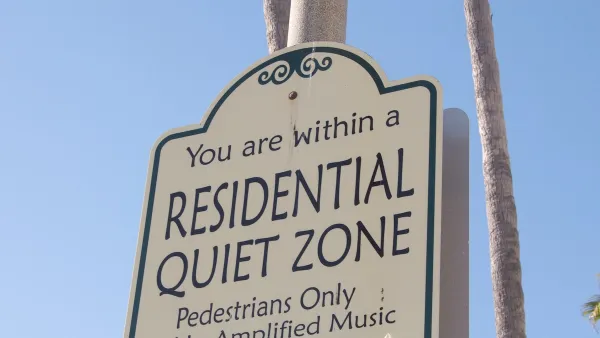
Noise as a Public Health Hazard
New ways of measuring the effects of sound on human health are helping communities fight back against noise pollution.
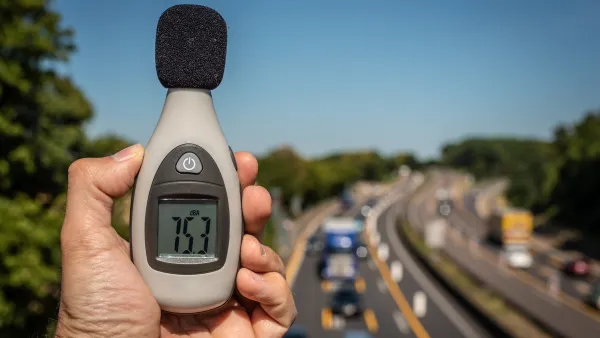
The Case Against Noise Pollution
A detailed description of how noise impacts health and wellbeing.

Planetizen Federal Action Tracker
A weekly monitor of how Trump’s orders and actions are impacting planners and planning in America.

The state-sanctioned urbicide of Austin
People don’t kill cities. Freeways do.

US to reduce Colorado River water deliveries to Mexico
A new Colorado Treaty amendment reduces Mexico’s Colorado River water allocation by 250,000 acre feet.

Baltimore to break ground on $50 million Transit Priority Project
The project will bring faster bus trips, safer streets and better bike connections to Baltimore.

Airbnb launches $250 million 'last-dollar financing' housing accelerator, makes first investment in Austin
The company will put $6.4 million towards affordable housing development in Texas’ capital.

Guerilla urbanists are building DIY bus stop benches in Chicago
A before-and-after of one of the bus stops with a new bench. The new benches are not officially sanctioned or permitted, but the residents who placed them hope they will be the start of a network of DIY benches across the city.

FREE Course: Walkable City 1: Why Walkability?
After describing his path towards focusing on walkability as the essence of good planning, Jeff Speck marches through his five principal reasons for making more walkable places.
Reinventing Malls: Planning Alchemy—Turning Gray Fields Into Gold
The course focuses on the opportunities and imperatives that shape reinvention of mall sites.

Eagle County Government
Harvard University Graduate School of Design
Nashville Planning Department
The Architects Foundation
University of Cincinnati Online
The Pocatello Development Authority
The Urban Renewal Agency of the City of Pocatello
Journal of the American Planning Association