A new federal program will clear the way for more water to be delivered to the state of California's agriculture industry, overruling environmental safeguards that protected fish.


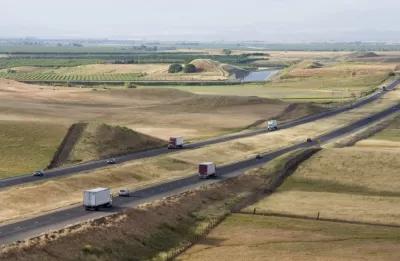
Lauren Sommer reports: "The Trump administration has announced a plan to divert water to California farmers, fulfilling a campaign promise by the president, but contradicting federal biologists who found the plan would drive endangered salmon closer to extinction and could harm other fish."
The backstory for decision includes a history of the Trump administration overruling scientists on the federal payroll. When "analysis completed by NOAA Fisheries biologists in July found the administration's proposed plan jeopardized the future of endangered fish," the Trump administration removed those biologists and developed this new approach, which focuses more on real-time analysis.
"The administration's latest plan creates new hatcheries to breed fish, and relies on real-time monitoring to track the location of threatened fish. They plan to slow pumping when the fish are nearby," explains Sommer.
The announcement of the new program is set against the backdrop of questions about conflicts of interest in the Department of the Interior—Interior Secretary David Bernhardt has made decisions benefitting his former employer, the Westlands Water District.
FULL STORY: Trump Plan Weakens Protections For California Fish, Diverts Water To Farms

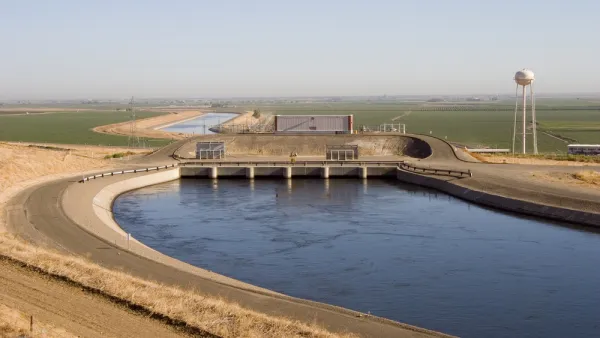
Trump Administration's New CA Water Plan Chooses Farmers Over Fish
A plan to divert water to farmers in California, released at the end of October, would allow for the annihilation of winter-run Chinook Salmon.

Why Are the Feds Suddenly in Favor of Raising the Shasta Dam?
Despite state opposition and potential violations of California law, the Trump Administration has revived a project that was deemed impracticable only a few years ago.
Panel Opposes Delisting Grey Wolves
The U.S. Fish and Wildlife Service wants to take the grey wolf off the Endangered Species list across most of the continental U.S. but a key panel determined their decision was based on questionable science that dealt with species identification.

Planetizen Federal Action Tracker
A weekly monitor of how Trump’s orders and actions are impacting planners and planning in America.

The state-sanctioned urbicide of Austin
People don’t kill cities. Freeways do.

US to reduce Colorado River water deliveries to Mexico
A new Colorado Treaty amendment reduces Mexico’s Colorado River water allocation by 250,000 acre feet.

5 New England states march closer to 800 megawatt wind energy project
Securing federal approval for the project may be complicated under the Trump administration, which has historically been hostile towards domestic wind power.

Baltimore to break ground on $50 million Transit Priority Project
The project will bring faster bus trips, safer streets and better bike connections to Baltimore.

Airbnb launches $250 million 'last-dollar financing' housing accelerator, makes first investment in Austin
The company will put $6.4 million towards affordable housing development in Texas’ capital.

FREE Course: Walkable City 1: Why Walkability?
After describing his path towards focusing on walkability as the essence of good planning, Jeff Speck marches through his five principal reasons for making more walkable places.
Reinventing Malls: Planning Alchemy—Turning Gray Fields Into Gold
The course focuses on the opportunities and imperatives that shape reinvention of mall sites.

Eagle County Government
Harvard University Graduate School of Design
Nashville Planning Department
The Architects Foundation
University of Cincinnati Online
The Pocatello Development Authority
The Urban Renewal Agency of the City of Pocatello
Journal of the American Planning Association