A study by scholars at the Joint Center for Housing Studies of Harvard University finds that renters around the country are more likely to pay a larger share of their income on housing than homeowners do.



How much of your wages are spent on housing costs? If you spend 30% of your income on rent or a mortgage payment (and property taxes), you are considered rent-burdened by the Joint Center for Housing of Harvard University. Pay over 50% and you are severely rent-burdened. According to the Center’s recent "State of the Nation’s Housing Report," high rents and low wages mean renters are more likely to find themselves burdened or severely burdened.
Cities with economic opportunities are often expensive to rent in, and more than 50% of renters in Reno and Nevada find themselves in that position. Chris Herbert, the Center's manager, says part of the problem is the housing market. "More and more people are struggling to get into homeownership because of the lack of entry-level homes and tighter lending practices," Shannon Wright reports for NPR. "He said local governments can use zoning laws, building codes and the building approval process to improve the situation."
The other aspect of the problem has to do with wages. Home prices have grown faster than wages, particularly for those at the lower end of the income scale.
FULL STORY: Nevada Renters Pay More For Housing Than Homeowners

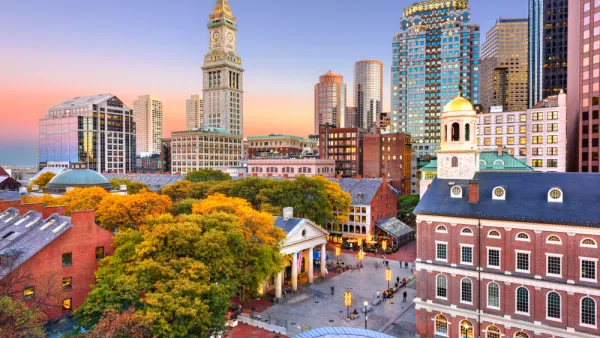
Boston Mayor Fights for Rent Control
Mayor Wu says putting a rent control policy in place is just one of several ways the city plans to improve housing affordability and prevent evictions, but the proposal requires state approval.
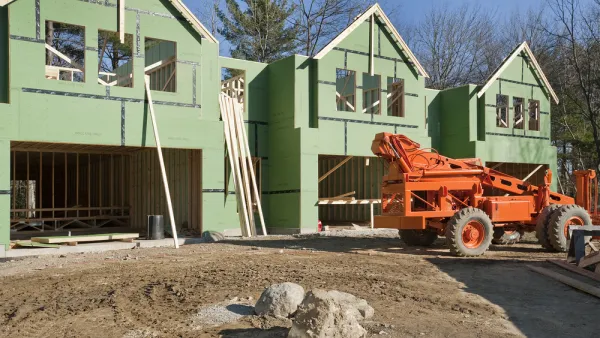
The State of the Nation’s Housing: 2022 Report
An annual report from the Joint Center for Housing Studies (JCHS) reveals that a growing number of American households face housing insecurity and spiking costs of living.
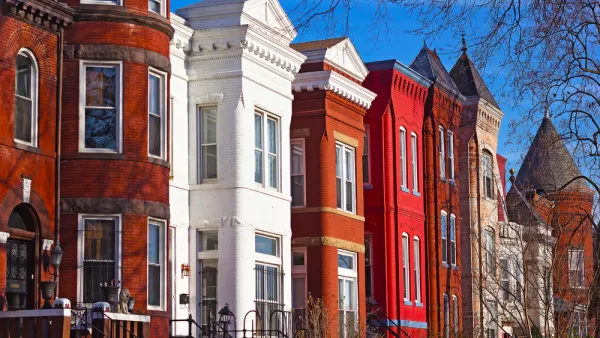
Report: D.C. Metro Area Still Needs More Housing
Despite a downtown construction boom, housing is still scarce across the Capital Region. And nearly two-thirds of new homes built since the year 2000 have been single-family structures.

Planetizen Federal Action Tracker
A weekly monitor of how Trump’s orders and actions are impacting planners and planning in America.

The state-sanctioned urbicide of Austin
People don’t kill cities. Freeways do.

US to reduce Colorado River water deliveries to Mexico
A new Colorado Treaty amendment reduces Mexico’s Colorado River water allocation by 250,000 acre feet.

5 New England states march closer to 800 megawatt wind energy project
Securing federal approval for the project may be complicated under the Trump administration, which has historically been hostile towards domestic wind power.

Baltimore to break ground on $50 million Transit Priority Project
The project will bring faster bus trips, safer streets and better bike connections to Baltimore.

Airbnb launches $250 million 'last-dollar financing' housing accelerator, makes first investment in Austin
The company will put $6.4 million towards affordable housing development in Texas’ capital.

FREE Course: Walkable City 1: Why Walkability?
After describing his path towards focusing on walkability as the essence of good planning, Jeff Speck marches through his five principal reasons for making more walkable places.
Reinventing Malls: Planning Alchemy—Turning Gray Fields Into Gold
The course focuses on the opportunities and imperatives that shape reinvention of mall sites.

Eagle County Government
Harvard University Graduate School of Design
Nashville Planning Department
The Architects Foundation
University of Cincinnati Online
The Pocatello Development Authority
The Urban Renewal Agency of the City of Pocatello
Journal of the American Planning Association