If you live in California, you've heard predictions of a disastrous earthquake dubbed "the big one." Now, scientists are warning of an epic rainstorm that could cause three times as much damage.



The U.S. Army Corps is warning Californians of "very significant loss of life and economic impacts" that could result from a rare but extremely serious storm, the Los Angeles Times reports. Scientists fear a weeks-long torrent that could "inundate cities and form lakes in the Central Valley and Mojave Desert," displacing more than 1.5 million people and causing $725 billion in damage statewide.
Such a storm has an estimated 1 in 900 chance of occurring in any given year—but more extreme weather patterns caused by climate change mean that the risk is likely understated. "A newer study suggests the chances of seeing another flood of that magnitude over the next 40 years are about 50-50," one expert told the Times.
The state's infrastructure is not prepared to handle the deluge. At 60 years old, the Whittier Narrows Dam is at particular risk of collapsing drastically in the event, sending "epic runoff" flooding into heavily populated areas from Pico Rivera to Long Beach. Upgrading that dam is now the Army Corps's No. 1 priority nationwide—but it needs $600 million in federal funding to do so.
Read the full story: Rare L.A. mega-storm could overwhelm dam and flood dozens of cities, experts say

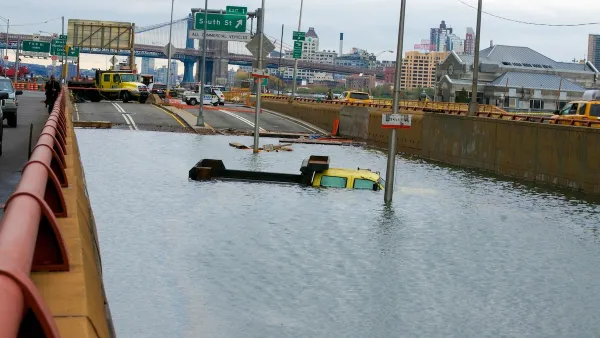
Over a Quarter of US Homes Face ‘Severe or Extreme’ Climate Risk
The number of U.S. homes at risk from hurricanes, fires, or flooding is valued at close to $13 trillion.
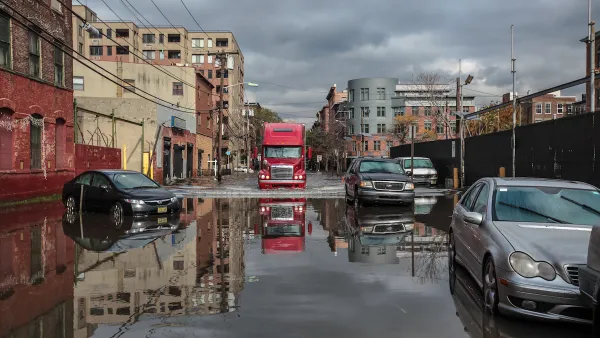
FEMA Resilience Program Cuts Grant Funding
The Building Resilient Infrastructure and Communities program funded projects from flood prevention to power station upgrades.
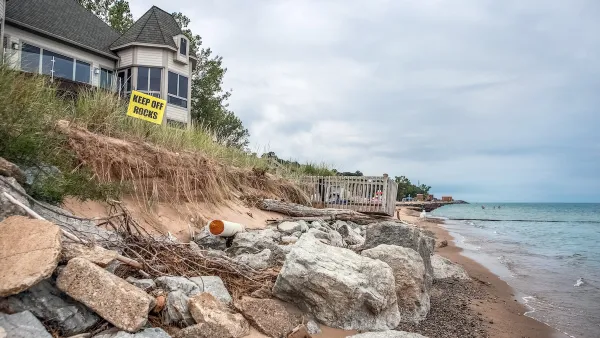
How US Cities Can Prepare for Climate Disasters
Resilience, encompassing infrastructure, governance, economic strength, and social cohesion, is critical for cities to mitigate rising climate risks like flooding, wildfires, and heat, ensuring long-term recovery and adaptability.

Planetizen Federal Action Tracker
A weekly monitor of how Trump’s orders and actions are impacting planners and planning in America.

Colorado’s Largest Data Center Could Rise Next to Homes — Without a Public Hearing
The proposed campus would consume 11 times the power of Denver International Airport; as it has across the country, opposition mounts.

US to reduce Colorado River water deliveries to Mexico
A new Colorado Treaty amendment reduces Mexico’s Colorado River water allocation by 250,000 acre feet.
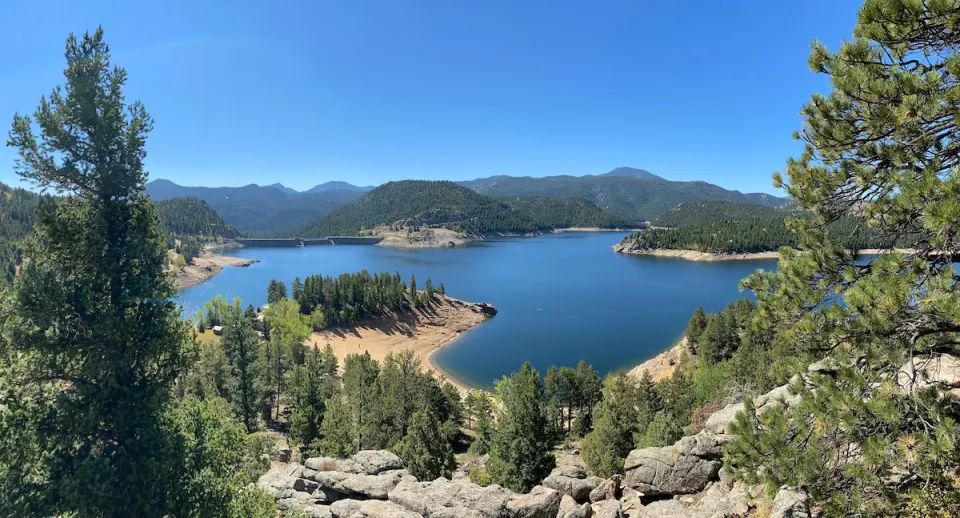
Judges permit Denver to divert 77,000 acre feet from the Colorado River for reservoir expansion
Overuse and climate change have caused the Colorado River’s water levels to plummet.
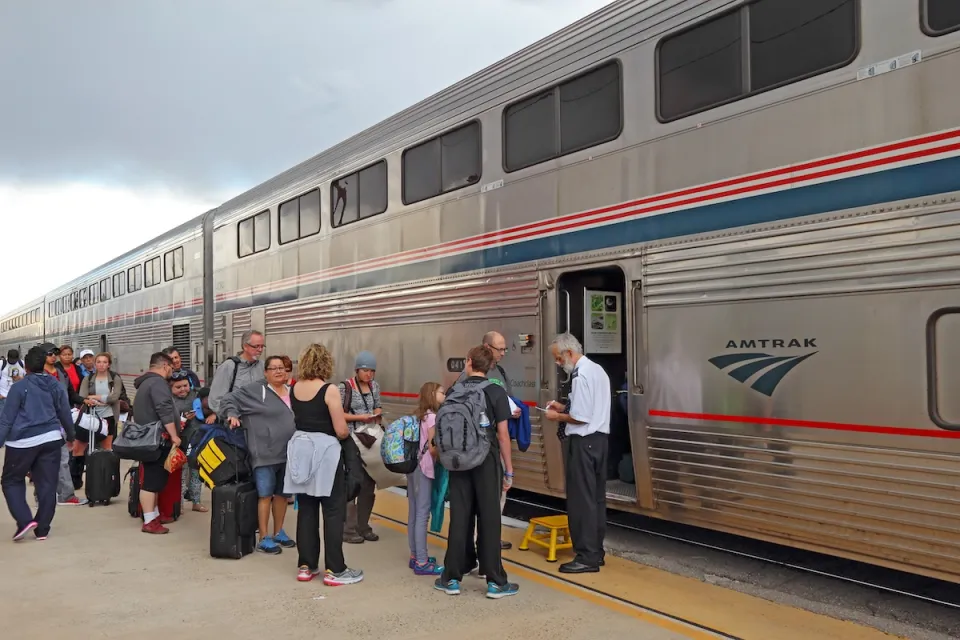
Amtrak, CN end decades-long dispute with eight-year agreement
The new operating agreement establishes an updated framework for the companies to work together, including processes to resolve disputes.
Raised interest rates may kill financially vulnerable construction projects
The chief economist at ConstructConnect warns that if construction project owners are negatively impacted by the raised rates, it could result in delayed payments to contractors.

FREE Course: Walkable City 1: Why Walkability?
After describing his path towards focusing on walkability as the essence of good planning, Jeff Speck marches through his five principal reasons for making more walkable places.
Reinventing Malls: Planning Alchemy—Turning Gray Fields Into Gold
The course focuses on the opportunities and imperatives that shape reinvention of mall sites.

KFH Group Inc.
Greater Baltimore Committee
Eagle County Government
The Architects Foundation
University of Cincinnati Online
The Pocatello Development Authority
The Urban Renewal Agency of the City of Pocatello