Developers are finding out too late that they're required to pay union members a prevailing wages on projects in rezoned parts of New York City.



Joe Anuta reports a big scoop that changes the understanding about the deals made to move rezoning plans through
"In the spring of 2017, the de Blasio administration quietly struck a deal with a union that guarantees its members employment in affordable-housing projects totaling thousands of units across the five boroughs," report Joe Anuta.
The deal was never made public, but the deal was made for a very public reason: it applies to Mayor Bill de Blasio's rezoning of up to 15 neighborhoods to boost density across the city, according to Anuta. "Within each rezoned area, most developments topping 30 units that receive public subsidies must now pay building-service workers a prevailing wage, a deal that steers work to 32BJ [SEIU] members."
According to Anuta, "32BJ repeatedly testified in support of the rezonings without disclosing the pact's existence, and in some cases called for a wage requirement even though it had already secured one."
The problem with the secrecy of the deal: developers are buying sites without being aware of the wage agreement, adding unexpected expenses to proposed projects.
FULL STORY: City quietly struck wage deal with building workers union

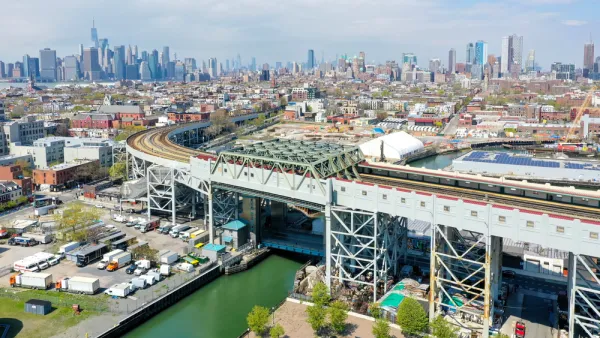
Advocates Push for Gowanus Rezoning, Stuck in COVID-19 Limbo, to Move Forward
According to advocates, the relative affluence of Gowanus is the reason a plan to rezone the neighborhood must move forward.
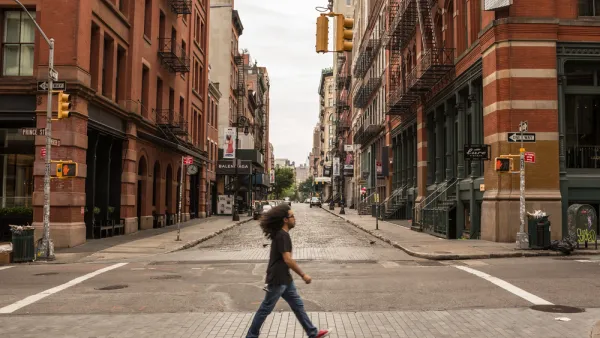
Affordable Housing Central to SoHo Rezoning Debate
There's no draft rezoning plan for SoHo yet, but there's plenty of controversy.
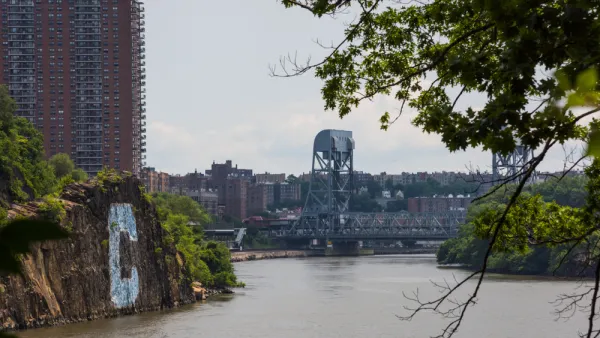
Rezoning Enhances the Changes Already Coming to Manhattan's Northern End
The New York City Council this month approved a rezoning plan for the neighborhood of Inwood, located at the northern tip of Manhattan.

The state-sanctioned urbicide of Austin
People don’t kill cities. Freeways do.

US to reduce Colorado River water deliveries to Mexico
A new Colorado Treaty amendment reduces Mexico’s Colorado River water allocation by 250,000 acre feet.

New Jersey’s second-largest city bans standalone data centers
Jersey City will continue to allow co-location facilities, such as those meant for research institutions that store their own data.

Amtrak not solely to blame for New Jersey commuter rail's unreliability, report finds
A new study from the Garden State Initiative found that NJ Transit’s budget grew 20% across a 4 year period, but reliability declined significantly over the same period.

EPA erases limits on planet-warming pollution from power plants
Under Monday’s plan, power plants would still have some limits on how much mercury, arsenic and other contaminants they can emit.

Phoenix announces new on-demand transit service, more frequent RAPID buses
Both new services will launch in October, and are part of Phoenix's Project Effective Access Solutions for Easing Congestion.

FREE Course: Walkable City 1: Why Walkability?
After describing his path towards focusing on walkability as the essence of good planning, Jeff Speck marches through his five principal reasons for making more walkable places.
Reinventing Malls: Planning Alchemy—Turning Gray Fields Into Gold
The course focuses on the opportunities and imperatives that shape reinvention of mall sites.

Eagle County Government
Harvard University Graduate School of Design
Nashville Planning Department
The Architects Foundation
University of Cincinnati Online
The Pocatello Development Authority
The Urban Renewal Agency of the City of Pocatello
Journal of the American Planning Association