Accessory dwelling units should be easier to build in California, but the process is still slow and complicated in many cities, say housing advocates.


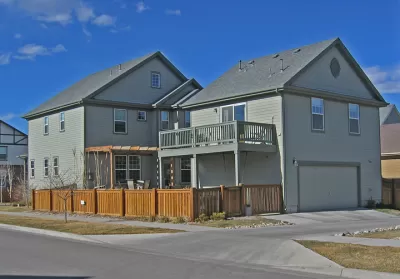
California state legislation easing the red tape and lowering the costs of building accessory dwelling units was supposed to spur construction and help with the state’s affordable housing crisis. But, many local municipalities have been slow to get ADU developments moving along, reports Louis Hansen:
Many more residents are requesting applications for ADUs than actually getting construction permits to build, [David] Garcia said. Homeowners often still find the process daunting and filled with unexpected costs. They report getting conflicting guidance from local planners and being hit with high fees for local services and schools.
Housing advocates and developers want cities to do more to help homeowners who want to build the units. The California Renters Legal Advocacy and Education Fund has filed a lawsuit against San Francisco alleging that zoning ordinances prohibit ADUs on most properties in the city and the discretionary review process can hold up projects indefinitely.
While some cities are resisting the ADU changes, Hansen writes that others are pushing forward. For example, San Jose eased zoning restrictions last year, and ADU construction is now permitted on many more lots in the city.
FULL STORY: Building a Bay Area granny flat still challenging


San Francisco’s Housing Woes: How the Past Informs the Present
A zoning history dating back to the 19th century still has significant impacts on the city’s housing in the present day.

What do the Gilmore Girls, Happy Days, and Full House have in common? ADUs.
American sitcoms are full of garage apartments, attic rooms, and pool houses. Why aren't our cities?
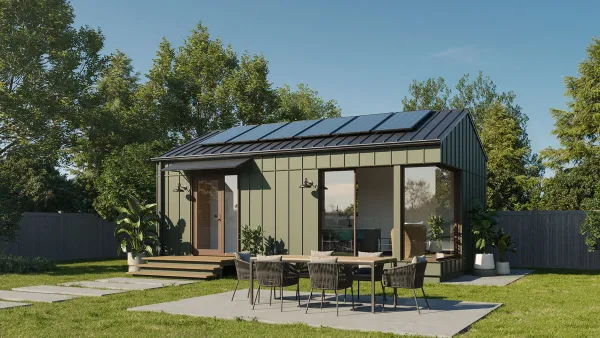
NYC’s ‘ADU for You’ Initiative Offers Pre-approved Plans and Financing Tools
The project pairs pre-approved plans with financing and other tools to help more homeowners build accessory units.

Planetizen Federal Action Tracker
A weekly monitor of how Trump’s orders and actions are impacting planners and planning in America.

The state-sanctioned urbicide of Austin
People don’t kill cities. Freeways do.

US to reduce Colorado River water deliveries to Mexico
A new Colorado Treaty amendment reduces Mexico’s Colorado River water allocation by 250,000 acre feet.

5 New England states march closer to 800 megawatt wind energy project
Securing federal approval for the project may be complicated under the Trump administration, which has historically been hostile towards domestic wind power.

Baltimore to break ground on $50 million Transit Priority Project
The project will bring faster bus trips, safer streets and better bike connections to Baltimore.

Airbnb launches $250 million 'last-dollar financing' housing accelerator, makes first investment in Austin
The company will put $6.4 million towards affordable housing development in Texas’ capital.

FREE Course: Walkable City 1: Why Walkability?
After describing his path towards focusing on walkability as the essence of good planning, Jeff Speck marches through his five principal reasons for making more walkable places.
Reinventing Malls: Planning Alchemy—Turning Gray Fields Into Gold
The course focuses on the opportunities and imperatives that shape reinvention of mall sites.

Eagle County Government
Harvard University Graduate School of Design
Nashville Planning Department
The Architects Foundation
University of Cincinnati Online
The Pocatello Development Authority
The Urban Renewal Agency of the City of Pocatello
Journal of the American Planning Association