Two hurricanes later, residents of North Carolina aren't so willing to deny the need to do something about the effects of climate change. A Democratic governor and a changing State Legislature have already produced action.


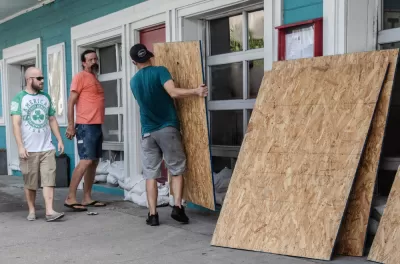
"After North Carolina was hit by two major hurricanes within two years and flooding rainfall from a third, the state that once spurned the science of sea level rise in its zoning rules is starting to take climate change more seriously," reports James Bruggers.
"A new governor has a different policy agenda that incorporates the risks from climate change, and polls suggest a growing number of North Carolina residents are concerned about climate change and want policies that help protect them from extreme weather," adds Bruggers for more specificity.
The list of policy changes on the way in for North Carolina includes commitment to Paris climate accord emission reductions and programs to move homes and "hog-waste lagoons" away from floodplains.
FULL STORY: After Back-to-Back Hurricanes, North Carolina Reconsiders Climate Change

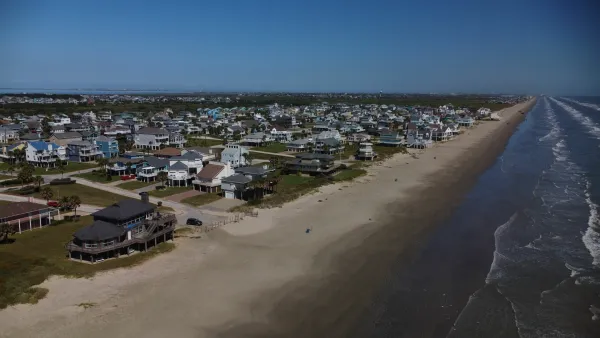
Looking for a Beach House? Check Your Risk First.
A new report from the insurance industry names the historic town of Galveston, Texas as the riskiest place to buy a beach house in the United States.
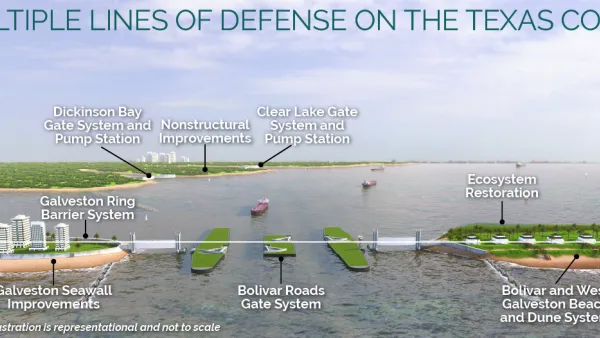
Revised Plans for Massive 'Ike Dike' Plan Revealed
A $26.2 billion proposal to protect the coastal area around Galveston has evolved since its first iteration in 2018.
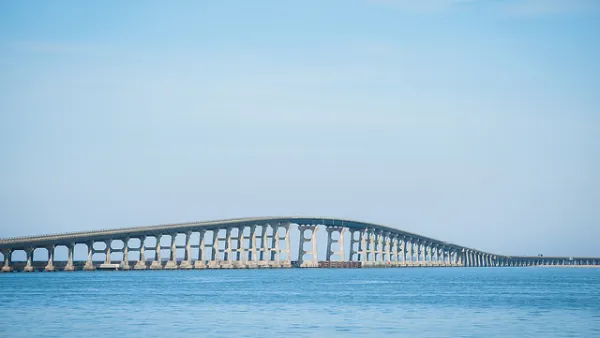
Climate Change Won't Be Kind to the Carolinas
The 4th National Climate Assessment brought the reality of climate change to the regional and local level. The Carolinas provide a particularly poignant case study.

Planetizen Federal Action Tracker
A weekly monitor of how Trump’s orders and actions are impacting planners and planning in America.

The state-sanctioned urbicide of Austin
People don’t kill cities. Freeways do.

US to reduce Colorado River water deliveries to Mexico
A new Colorado Treaty amendment reduces Mexico’s Colorado River water allocation by 250,000 acre feet.

Baltimore to break ground on $50 million Transit Priority Project
The project will bring faster bus trips, safer streets and better bike connections to Baltimore.

Airbnb launches $250 million 'last-dollar financing' housing accelerator, makes first investment in Austin
The company will put $6.4 million towards affordable housing development in Texas’ capital.

Guerilla urbanists are building DIY bus stop benches in Chicago
A before-and-after of one of the bus stops with a new bench. The new benches are not officially sanctioned or permitted, but the residents who placed them hope they will be the start of a network of DIY benches across the city.

FREE Course: Walkable City 1: Why Walkability?
After describing his path towards focusing on walkability as the essence of good planning, Jeff Speck marches through his five principal reasons for making more walkable places.
Reinventing Malls: Planning Alchemy—Turning Gray Fields Into Gold
The course focuses on the opportunities and imperatives that shape reinvention of mall sites.

Eagle County Government
Harvard University Graduate School of Design
Nashville Planning Department
The Architects Foundation
University of Cincinnati Online
The Pocatello Development Authority
The Urban Renewal Agency of the City of Pocatello
Journal of the American Planning Association