Goodbye, Blue Line. Welcome, A Line. Goodbye, Red Line. Welcome, B Line.


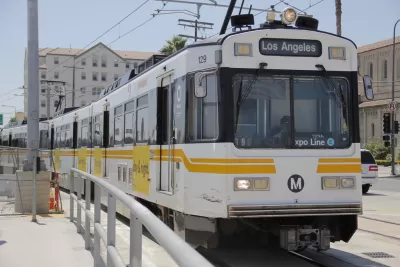
The Los Angeles County Metropolitan Transportation Authority (Metro) voted to change the naming convention for the region's rail and bus rapid transit system—now named mostly for colors—to letters of the alphabet.
Ryan Fonseca reports on the decision to change the names of the rail lines:
The decision came after the agency's leadership said the current names for its rail and bus lines are "inconsistent" and make them difficult to navigate. Plus, Metro has run out of primary and secondary colors to use. So as it opens new lines, a color-only system would mean adding shades of colors, which could easily confuse riders.
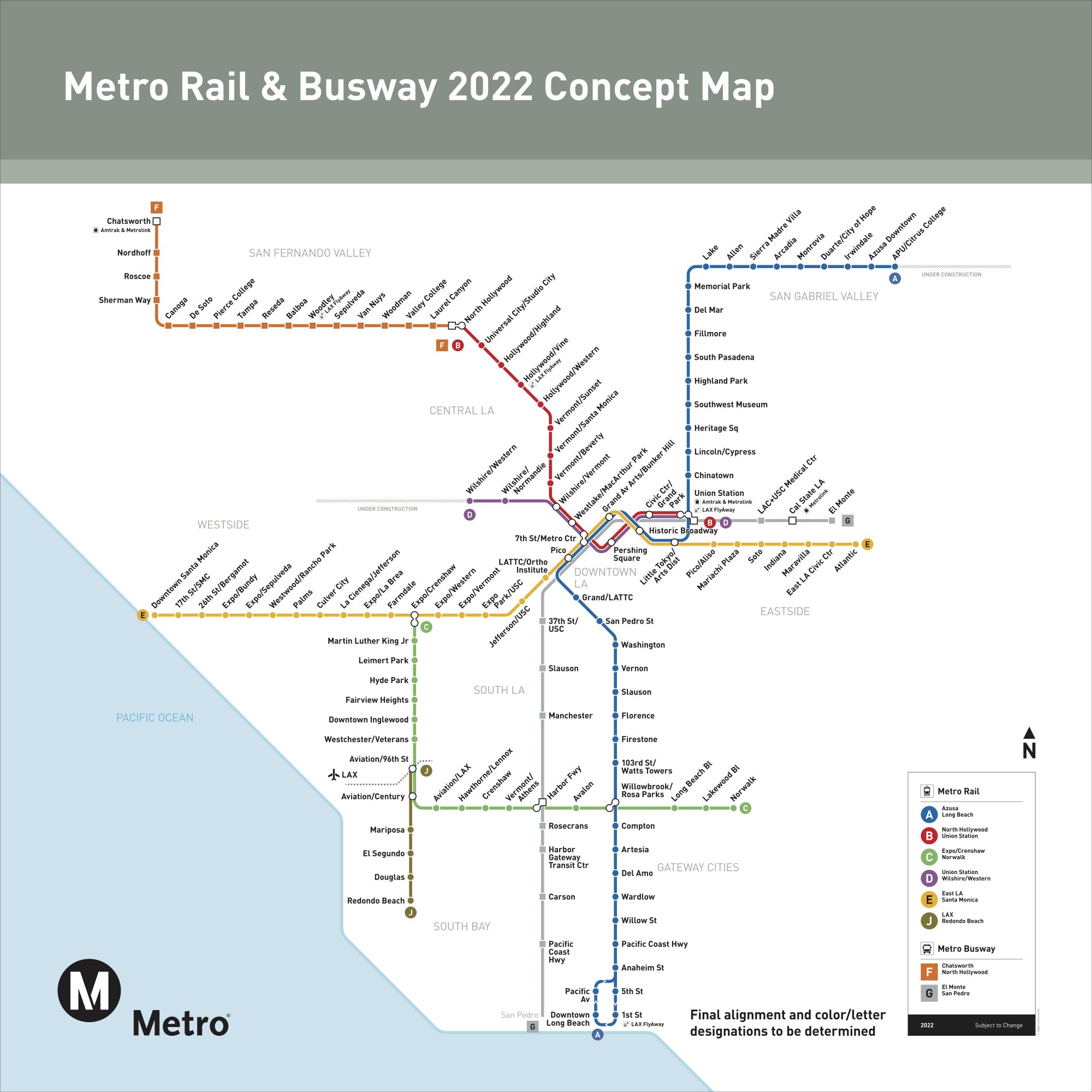
Metro also released a concept map of how the rail system will look in 2022, with new lines added and the complete naming convention in place. The Blue Line will become the A Line as soon as May, after the line reopens from an upgrade project.
FULL STORY: Metro Is Killing Color Names On LA's Buses And Trains

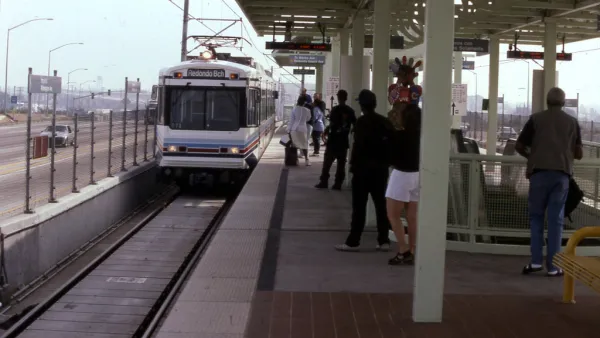
Rail Transit Plans Would Connect L.A.’s South Bay to the Regional Rail System
Two new transit extensions promise several new routes for South Bay residents to access the Los Angeles region’s transit system.
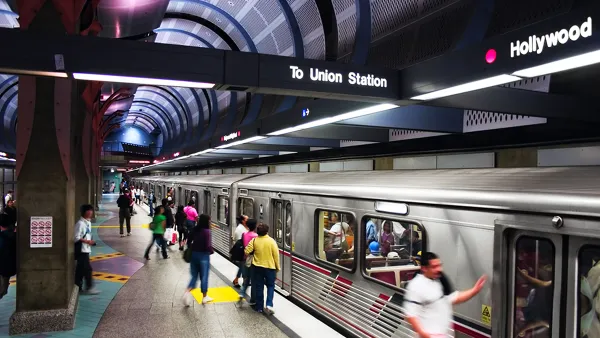
Monorail Doesn't Measure Up for Los Angeles, Says Editorial Board
The editorial board of the Los Angeles Times is unimpressed by a plan to build a monorail between the Westside and the San Fernando Valley in the city of Los Angeles.
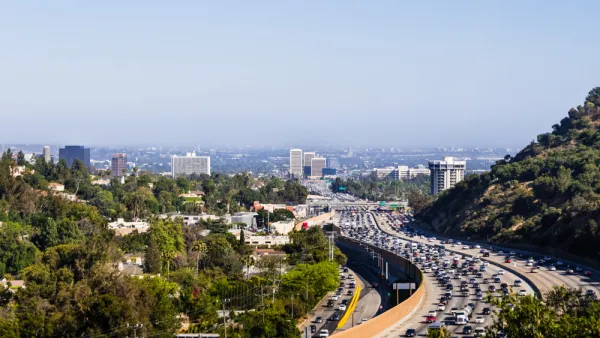
Monorail or Heavy Rail Planned for L.A.'s Busy Connection Between the Valley and the Westside
It' down to two options for a rail transit connection over the Sepulveda Pass, following the path of Interstate 405 between the San Fernando Valley and the Westside of Los Angeles.

Planetizen Federal Action Tracker
A weekly monitor of how Trump’s orders and actions are impacting planners and planning in America.

The state-sanctioned urbicide of Austin
People don’t kill cities. Freeways do.

US to reduce Colorado River water deliveries to Mexico
A new Colorado Treaty amendment reduces Mexico’s Colorado River water allocation by 250,000 acre feet.

Amtrak not solely to blame for New Jersey commuter rail's unreliability, report finds
A new study from the Garden State initiative found that NJ Transit’s budget grew 20% across a 4 year period, but reliability declined significantly over the same period.

EPA erases limits on planet-warming pollution from power plants
Under Monday’s plan, power plants would still have some limits on how much mercury, arsenic and other contaminants they can emit.

Phoenix announces new on-demand transit service, more frequent RAPID buses
Both new services will launch in October, and are part of Phoenix's Project Effective Access Solutions for Easing Congestion.

FREE Course: Walkable City 1: Why Walkability?
After describing his path towards focusing on walkability as the essence of good planning, Jeff Speck marches through his five principal reasons for making more walkable places.
Reinventing Malls: Planning Alchemy—Turning Gray Fields Into Gold
The course focuses on the opportunities and imperatives that shape reinvention of mall sites.

Eagle County Government
Harvard University Graduate School of Design
Nashville Planning Department
The Architects Foundation
University of Cincinnati Online
The Pocatello Development Authority
The Urban Renewal Agency of the City of Pocatello
Journal of the American Planning Association