A chapter by Jeremy Nowak, who passed away this summer, adapted from the book "Shared Prosperity in America’s Communities."


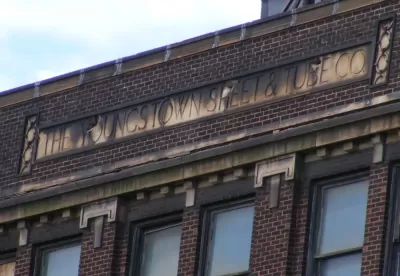
The past fifty years of urban history demonstrate that there are no quick fixes for our most challenged cities. In the face of this history, local actions and policies still matter. To succeed, older distressed cities must make progress on two simultaneous fronts: one is economic and the other public and civic. In terms of the economy, cities must adopt a cost structure and regulatory environment that is competitive. They must confront historical liabilities that, over the long term, will make it more difficult to pay for public goods. And they must build on the advantages of place, from cultural institutions to research universities.
FULL STORY: The Fragility of Growth in a Post-Industrial City


What Makes Affordable Housing Green?
There's no one way to determine what makes “green” housing. Here's a breakdown of the standards and considerations used by the affordable housing industry.

European Cities Act on Density
The sprawling mass of suburbia has been a disaster for the environment. But now smaller, denser cities herald a renaissance in city living.
The Road Forward: Cost-Effective Policy Measures To Decrease Emissions From Passenger Land Transport
This new 165-page book, available free, is a resource for identifying practical, cost-effective policies for reducing passenger transport emissions on land, and especially in urban areas.

The state-sanctioned urbicide of Austin
People don’t kill cities. Freeways do.

US to reduce Colorado River water deliveries to Mexico
A new Colorado Treaty amendment reduces Mexico’s Colorado River water allocation by 250,000 acre feet.

New Jersey’s second-largest city bans standalone data centers
Jersey City will continue to allow co-location facilities, such as those meant for research institutions that store their own data.

Amtrak not solely to blame for New Jersey commuter rail's unreliability, report finds
A new study from the Garden State Initiative found that NJ Transit’s budget grew 20% across a 4 year period, but reliability declined significantly over the same period.

EPA erases limits on planet-warming pollution from power plants
Under Monday’s plan, power plants would still have some limits on how much mercury, arsenic and other contaminants they can emit.

Phoenix announces new on-demand transit service, more frequent RAPID buses
Both new services will launch in October, and are part of Phoenix's Project Effective Access Solutions for Easing Congestion.

FREE Course: Walkable City 1: Why Walkability?
After describing his path towards focusing on walkability as the essence of good planning, Jeff Speck marches through his five principal reasons for making more walkable places.
Reinventing Malls: Planning Alchemy—Turning Gray Fields Into Gold
The course focuses on the opportunities and imperatives that shape reinvention of mall sites.

Eagle County Government
Harvard University Graduate School of Design
Nashville Planning Department
The Architects Foundation
University of Cincinnati Online
The Pocatello Development Authority
The Urban Renewal Agency of the City of Pocatello
Journal of the American Planning Association