San Francisco desperately needs more housing, but many projects sit unfinished as developers face cost challenges.


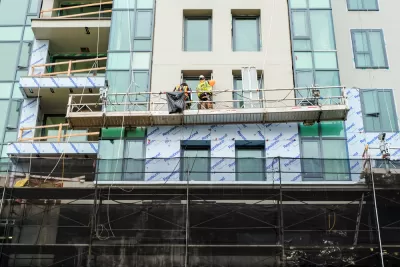
J.K. Dineen reports on increasing costs in San Francisco that have resulted in stalled construction projects and residential builders looking to cash out:
There are 6,750 units under construction in the city, about 1,000 units more than a year ago. While that is well above the historic average, there are another 15,000 units that have been approved by planning officials but have not started construction. Projects containing 6,690 of those units have secured all the permits needed to start construction but have not broken ground, Planning Department documents show.
One problem is rising construction costs, with increases of 10 to 15 percent a year over the last five years. In addition, more affordable housing requirements and other fees and obligations are driving up costs and bogging down projects.
This slowdown in residential construction is worrisome in an area with a serious housing crisis. But, points out Dineen, this may ultimately help affordable housing developers, some of whom are already partnering with private developers to resurrect and complete projects.
FULL STORY: SF residential projects languish as rising costs force developers to cash out

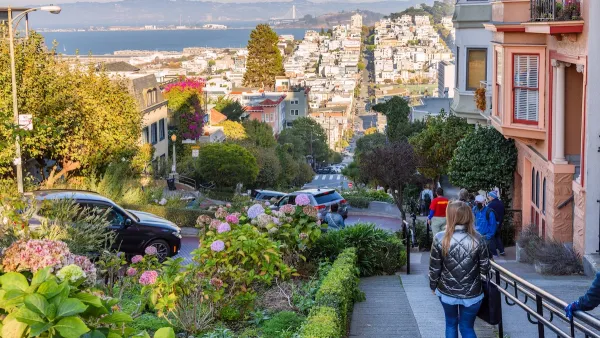
San Francisco Mayor’s ‘Family Zoning’ Plan Faces Pushback, Displacement Concerns
Newly proposed legislation aims to protect long-term tenants from displacement caused by Mayor Lurie’s proposed zoning reform plan, which would allow for more housing construction in parts of the city.
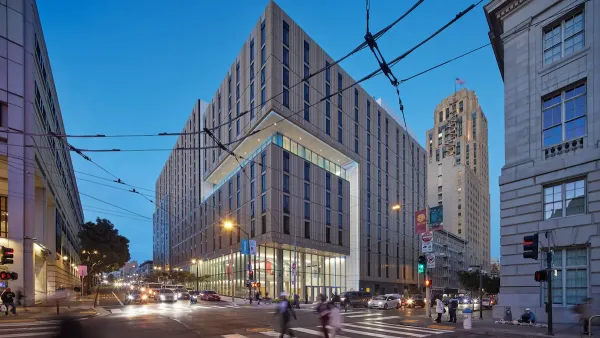
A San Francisco University Just Built Over 650 Affordable Units. Are Institutions the Answer to the Housing Crisis?
With access to planning resources not always available to private developers, universities are uniquely positioned to build housing quickly and cost-effectively.
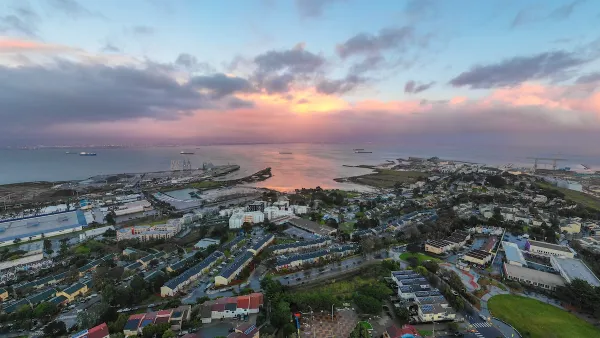
20,000 San Francisco Homes Stalled in Construction Pipeline
Despite getting permits as long as a decade ago, thousands of proposed housing units are still waiting to be built.

The state-sanctioned urbicide of Austin
People don’t kill cities. Freeways do.

US to reduce Colorado River water deliveries to Mexico
A new Colorado Treaty amendment reduces Mexico’s Colorado River water allocation by 250,000 acre feet.

New Jersey’s second-largest city bans standalone data centers
Jersey City will continue to allow co-location facilities, such as those meant for research institutions that store their own data.

Amtrak not solely to blame for New Jersey commuter rail's unreliability, report finds
A new study from the Garden State Initiative found that NJ Transit’s budget grew 20% across a 4 year period, but reliability declined significantly over the same period.

EPA erases limits on planet-warming pollution from power plants
Under Monday’s plan, power plants would still have some limits on how much mercury, arsenic and other contaminants they can emit.

Phoenix announces new on-demand transit service, more frequent RAPID buses
Both new services will launch in October, and are part of Phoenix's Project Effective Access Solutions for Easing Congestion.

FREE Course: Walkable City 1: Why Walkability?
After describing his path towards focusing on walkability as the essence of good planning, Jeff Speck marches through his five principal reasons for making more walkable places.
Reinventing Malls: Planning Alchemy—Turning Gray Fields Into Gold
The course focuses on the opportunities and imperatives that shape reinvention of mall sites.

Eagle County Government
Harvard University Graduate School of Design
Nashville Planning Department
The Architects Foundation
University of Cincinnati Online
The Pocatello Development Authority
The Urban Renewal Agency of the City of Pocatello
Journal of the American Planning Association