Heavy fines on cars without city stickers have fueled a spike in bankruptcies in Chicago, especially in black neighborhoods like Lawndale and Englewood where households received many times more tickets than households in white neighborhoods.


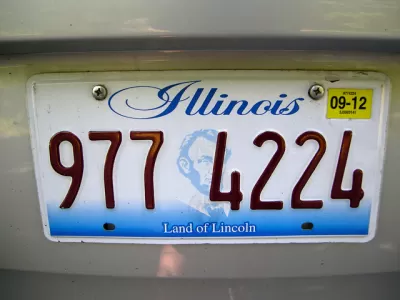
Sticker violations are sending poor Chicagoans into debt or bankruptcy. Reporting from ProPublica found that a decision in 2012 to increase the price of tickets for cars that didn't have city stickers was intended to raise an additional $16 million for the city, it didn't. What's worse, it has driven significant growth in Chapter 13 bankruptcies.
Enforcement of city stickers, like enforcement of the city's biking laws, has not been equal. "Black neighborhoods are hit with sticker tickets at a higher rate per household, than other parts of the city, according to an analysis of tickets from 2011 to 2015. Tickets issued by police drive the disparity," Melissa Sanchez writes for ProPublica. South and West Side neighborhoods like Lawndale, Englewood, and Austin were among the neighborhoods hit hardest.
These tickets played a prominent role in bankruptcies around the city. "Unpaid sticker tickets have contributed to an explosion in Chapter 13 bankruptcies in Chicago, a trend ProPublica Illinois reported on earlier this year," Sanchez reports.
Read the full story: Chicago Hiked the Cost of Vehicle City Sticker Violations to Boost Revenue. But It’s Driven More Low-Income, Black Motorists Int

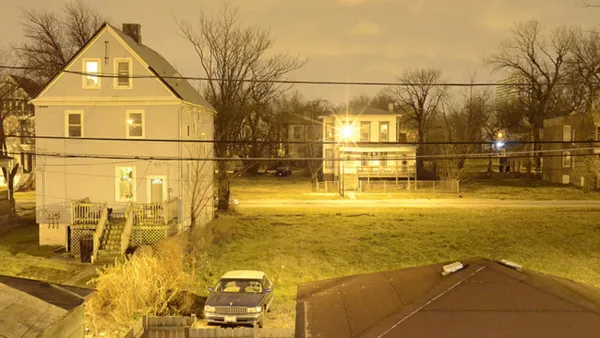
Chicago's Low Income Neighborhoods Face Worst Pollution, Study Finds
A report from the Natural Resources Defense Council (NRDC) found that Chicago's South and West sides face more air pollution than the wealthier parts of the city.
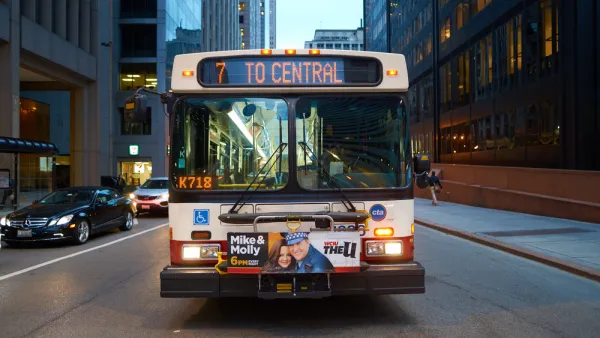
Chicago Creates Incentives for Transit Oriented Developments Along Bus Routes
Mayor Rahm Emanuel's administration will expand its program to incentivize transit oriented development by including land around the 79th Street and Chicago Avenue bus routes.
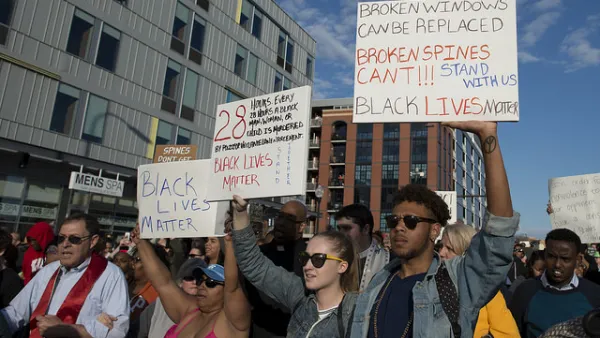
Systemic Racism Starts and Ends with Housing
Along with standing up against police violence and systemic racism, we must also fight to end housing systems that devalue Black people.

Planetizen Federal Action Tracker
A weekly monitor of how Trump’s orders and actions are impacting planners and planning in America.

The state-sanctioned urbicide of Austin
People don’t kill cities. Freeways do.
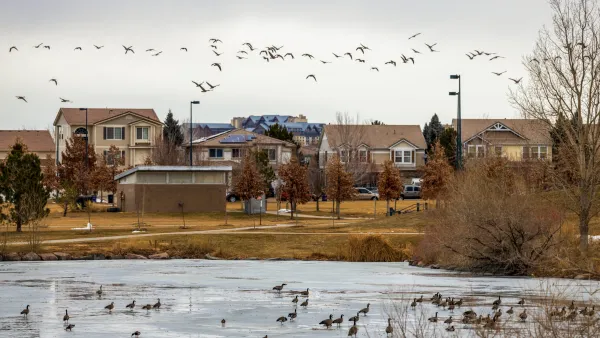
Colorado’s Largest Data Center Could Rise Next to Homes — Without a Public Hearing
The proposed campus would consume 11 times the power of Denver International Airport; as it has across the country, opposition mounts.

Judges permit Denver to divert 77,000 acre feet from the Colorado River for reservoir expansion
Overuse and climate change have caused the Colorado River’s water levels to plummet.
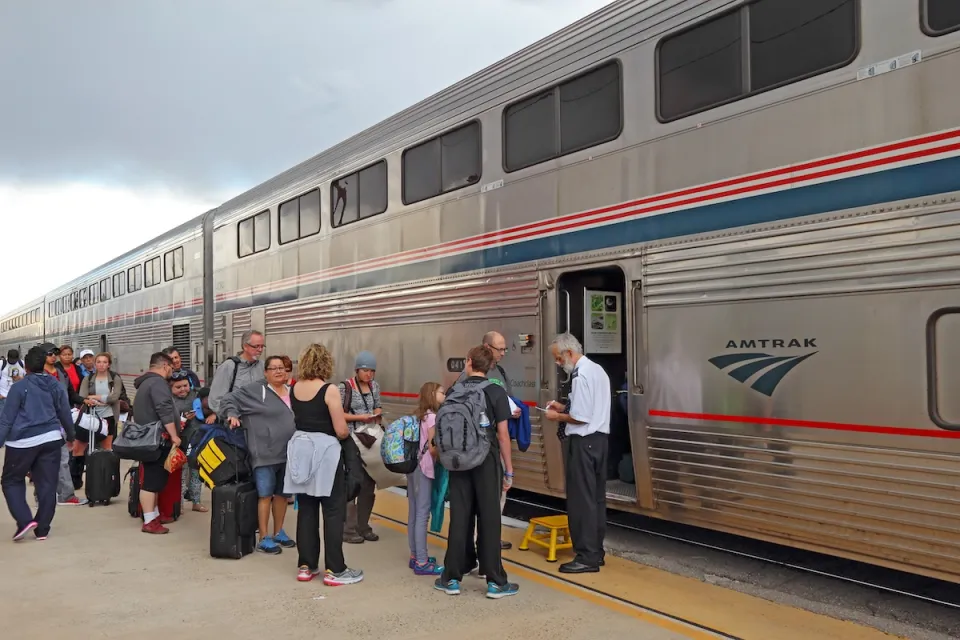
Amtrak, CN end decades-long dispute with eight-year agreement
The new operating agreement establishes an updated framework for the companies to work together, including processes to resolve disputes.
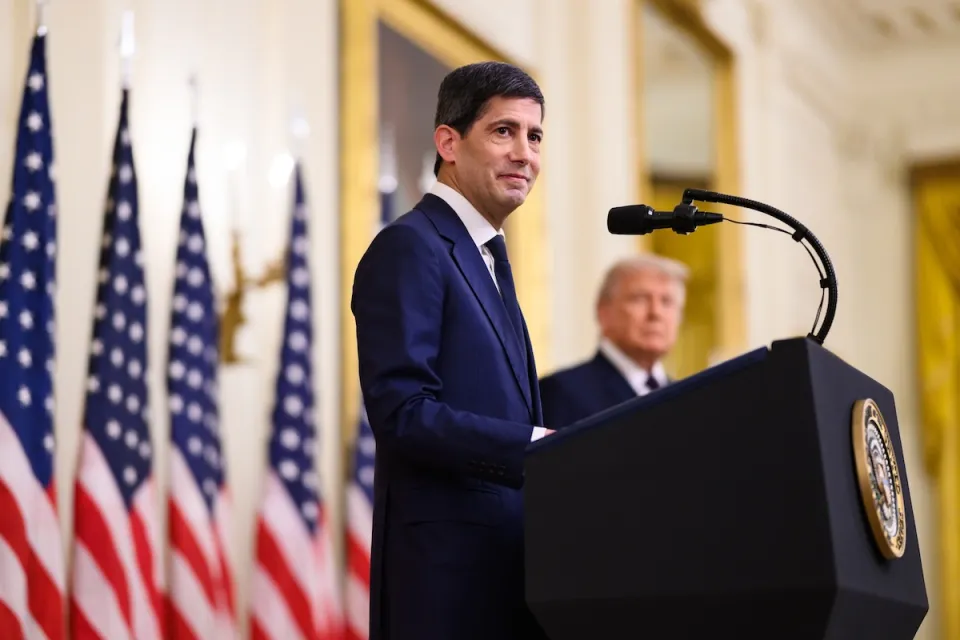
Raised interest rates may kill financially vulnerable construction projects
The chief economist at ConstructConnect warns that if construction project owners are negatively impacted by the raised rates, it could result in delayed payments to contractors.

FREE Course: Walkable City 1: Why Walkability?
After describing his path towards focusing on walkability as the essence of good planning, Jeff Speck marches through his five principal reasons for making more walkable places.
Reinventing Malls: Planning Alchemy—Turning Gray Fields Into Gold
The course focuses on the opportunities and imperatives that shape reinvention of mall sites.

KFH Group Inc.
Greater Baltimore Committee
Eagle County Government
The Architects Foundation
University of Cincinnati Online
The Pocatello Development Authority
The Urban Renewal Agency of the City of Pocatello