More residents in the state will be protected by environmental regulations enforced by the Pennsylvania Department of Environmental Protection.


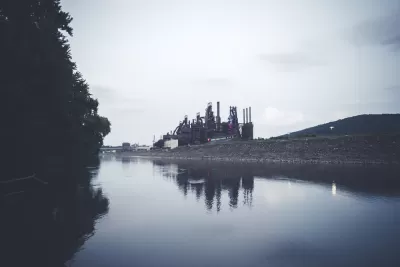
Marie Cusick reports: "The state Department of Environmental Protection is expanding the number of people who are considered to live in an environmental justice area — a designation aimed at protecting poor and minority communities that often bear the brunt of industrial development and pollution."
The policy change amounts to a change in the unit of measure used to decide the environmental justice area. The state is ditching the census tract for the census block group. Now, nearly a third of the state's population lives in an environmental justice area.
"Applications for certain things in EJ areas — like landfills or coal mines — are on a 'trigger permit list' and get more scrutiny from the state Department of Environmental Protection," explains Cusick. The policy change grew out of a year of public engagement by the Pennsylvania Department of Environmental Protection as the Marcellus Shale industry continues to open new facilities.
Read the full story: With policy change, nearly a third of Pennsylvanians live in ‘environmental justice’ areas


Biden’s Environmental Legacy (So Far)
President Biden campaigned on promises to restore many of the environmental regulations rolled back by the previous administration, while promising new efforts to tackle environmental injustice and climate change.
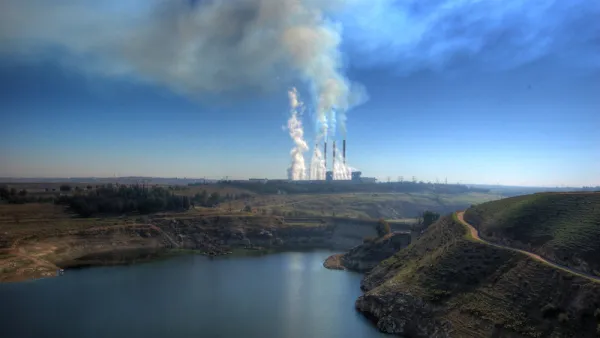
The Trump Administration's Environmental Policies Have Consequences for Black Lives
A Trump administration decision not to tighten Clean Air Act restrictions on soot pollution will have more consequences for Black Americans.

Building a Just Energy Transition
A new book outlines a “four-plus pillars” framework for phasing out fossil fuels while addressing systemic inequities, emphasizing public support, dedicated funding, economic diversification, coalitions, and reforms that dismantle extractive systems.

Planetizen Federal Action Tracker
A weekly monitor of how Trump’s orders and actions are impacting planners and planning in America.

The state-sanctioned urbicide of Austin
People don’t kill cities. Freeways do.

US to reduce Colorado River water deliveries to Mexico
A new Colorado Treaty amendment reduces Mexico’s Colorado River water allocation by 250,000 acre feet.

Nation's most wind-powered state turns to coal as data centers increase energy demand
For the first time in decades, Iowa has increased its generation of coal power.

NYC cools commuters with city's first rain garden above a bus stop
New York City officials say the plants in the rain garden can absorb 16 gallons of rainwater during heavy storms.

Brightline West’s future may rely on $6 billion federal loan
The company has until Nov. 2 to make a $400 million equity investment into its proposed high-speed rail line.

FREE Course: Walkable City 1: Why Walkability?
After describing his path towards focusing on walkability as the essence of good planning, Jeff Speck marches through his five principal reasons for making more walkable places.
Reinventing Malls: Planning Alchemy—Turning Gray Fields Into Gold
The course focuses on the opportunities and imperatives that shape reinvention of mall sites.

Greater Baltimore Committee
Eagle County Government
Harvard University Graduate School of Design
The Architects Foundation
University of Cincinnati Online
The Pocatello Development Authority
The Urban Renewal Agency of the City of Pocatello
Journal of the American Planning Association