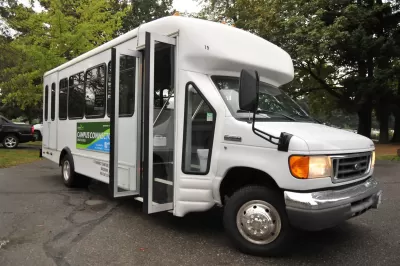
"The Story of Microtransit Is Consistent, Dismal Failure," reads the headline of this Streetsblog USA article.


Angie Schmitt writes:
To hear the start-up world tell it, “micro transit” is the next big urban transportation breakthrough. But out in the real world, the results haven’t lived up to the hype.
Schmitt pulls anecdotes from Kansas City to San Jose, but all the evidence suggests the "PR for micro transit is outrunning empirical experience." Despite that evidence, however, Schmitt is also able to cite an expanding roster of contracts with microtransit services.
Four agencies in California recently embarked on micro transit pilots. Transloc, now a subsidiary of Ford, called 2017 a “banner year” and projected a 600 percent increase in “live pilots” in 2018. Nationwide, at least 24 transit agencies are expected to initiate micro transit contracts this year, according to the Washington Post, which said micro transit “might be an answer” for transit agencies losing riders.
In fact, Schmitt makes the argument that by spending resources on less useful microtransit service, transit systems might be hastening their own demise.
Read the full story: The Story of “Micro Transit” Is Consistent, Dismal Failure

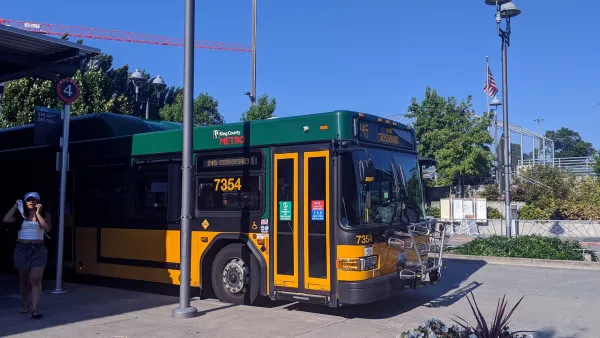
King County Metro adds 3,000 weekly bus trips, more connections to rail
King County Metro and Sound Transit are both making major adjustments to their bus networks to improve light rail connectivity across the region.
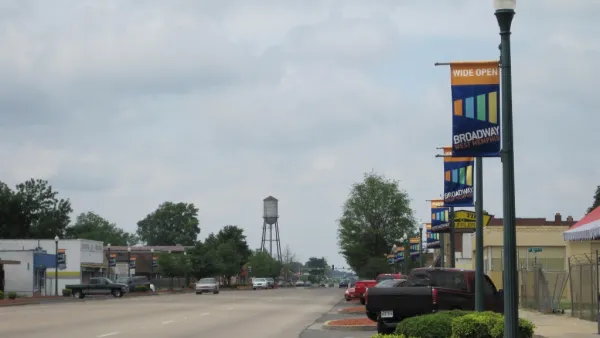
West Memphis to launch new transit system
The city across the Mississippi River from Memphis, Tennessee will soon begin service on its own, on-demand transit system.

El Paso launches improved bus network, new microtransit service
Sun Metro is eliminating some bus lines in favor of more frequent service, estimating that only 1% of riders will have to walk farther to reach a station.

Planetizen Federal Action Tracker
A weekly monitor of how Trump’s orders and actions are impacting planners and planning in America.

Data reveals that NYC’s bet on congestion pricing has paid off
After almost two years of the program, reports show positive impacts on traffic and air quality and no disruptions to parking.

HUD modernizes 50-year-old manufactured housing framework
The Next Generation Manufactured Housing Action Plan establishes new energy-efficiency standards for manufactured homes, and new guidelines for anchoring them.

Developers sue Mississippi landowners who object to pipeline through their land
Because the Federal Energy Regulatory Commission approved the pipeline project, the developer can use private land without the consent of the owner.

A gas leak in NYC is costing residents $300 million
More than 90% of NYC’s electricity is from natural gas. About 2% of that gas is leaking and escaping into the air.

CA officials have the power to fix the state’s riskiest dams. They’ve never used it
California’s 40 most hazardous dams would endanger up to 1.5 million people if they failed.

FREE Course: Walkable City 1: Why Walkability?
After describing his path towards focusing on walkability as the essence of good planning, Jeff Speck marches through his five principal reasons for making more walkable places.
Reinventing Malls: Planning Alchemy—Turning Gray Fields Into Gold
The course focuses on the opportunities and imperatives that shape reinvention of mall sites.

One Hundred Miles
County of Mendocino
planning NEXT
The Architects Foundation
University of Cincinnati Online
Montrose County
Northern Illinois Transit Authority (NITA)
The Pocatello Development Authority