It's the 30th annual edition of the Joint Center for Housing Studies of Harvard University's "State of the Nation's Housing" report.



The Harvard University Joint Center for Housing Studies released its 2018 "State of the Nation's Housing" report on Tuesday, continuing an annual event first launched in 1988. A website announcing the new report relates some of the findings from the 2018 to the findings of the 1988 report. For instance, homeownership rates among young adults are lower in 1988 than they were in 1988, and a larger share of renters is cost burdened now than in 1988. The report pins the blame for those realities on the soaring cost of housing.
Despite the declining homeownership rate among young Americans, the overall homeownership rate increased in 2017 for the first time in 13 years. Another key finding of the report is ongoing changes to the demographics of households in the county. Aging baby boomers means an aging household, on average. A final point to mention here is the report's finding that multi-family residential construction has leveled off, potentially placing more of the housing market at risk of housing cost burdens.
While you dig into the 2018 report, don't forget to reference the details of the 2017 report, which focused on the nation's dwindling affordable housing supply.
FULL STORY: State of the Nation’s Housing 2018

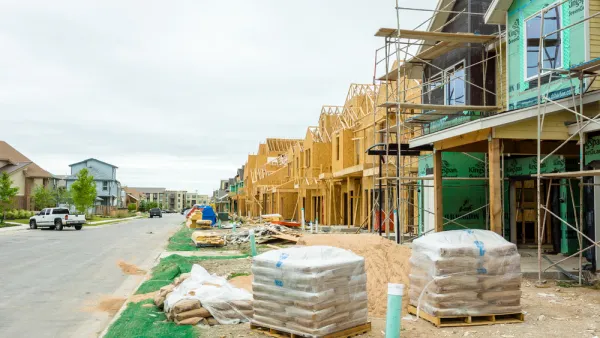
Austin's Affordable Housing Stock Shrunk More Than Any Other U.S. Metro
For all the talk of Texas' relatively affordable housing prices, the city of Austin is one of the worst examples of one of the dominant trends in the U.S. real estate market—fewer and fewer options for affordable rental housing.

The Affordable Rental Housing Crisis Is Only Getting Worse
The headline from the latest report from the Joint Center for Housing Studies on the state of the nation's housing market focuses on a shrinking, broken rental market.
State of the Nation's Housing: Housing Production, Supply Still Coming Up Short
The Joint Center for Housing Studies of Harvard University released its annual "The State of the Nation's Housing" report this morning. There are some signs of post-recession normalcy in the housing market for high-income earners.

Planetizen Federal Action Tracker
A weekly monitor of how Trump’s orders and actions are impacting planners and planning in America.

The state-sanctioned urbicide of Austin
People don’t kill cities. Freeways do.

US to reduce Colorado River water deliveries to Mexico
A new Colorado Treaty amendment reduces Mexico’s Colorado River water allocation by 250,000 acre feet.

5 New England states march closer to 800 megawatt wind energy project
Securing federal approval for the project may be complicated under the Trump administration, which has historically been hostile towards domestic wind power.

Baltimore to break ground on $50 million Transit Priority Project
The project will bring faster bus trips, safer streets and better bike connections to Baltimore.

Airbnb launches $250 million 'last-dollar financing' housing accelerator, makes first investment in Austin
The company will put $6.4 million towards affordable housing development in Texas’ capital.

FREE Course: Walkable City 1: Why Walkability?
After describing his path towards focusing on walkability as the essence of good planning, Jeff Speck marches through his five principal reasons for making more walkable places.
Reinventing Malls: Planning Alchemy—Turning Gray Fields Into Gold
The course focuses on the opportunities and imperatives that shape reinvention of mall sites.

Eagle County Government
Harvard University Graduate School of Design
Nashville Planning Department
The Architects Foundation
University of Cincinnati Online
The Pocatello Development Authority
The Urban Renewal Agency of the City of Pocatello
Journal of the American Planning Association