A number of cities are considering hiking up taxes on vacant properties. But does that actually lead to a reduction in blight?


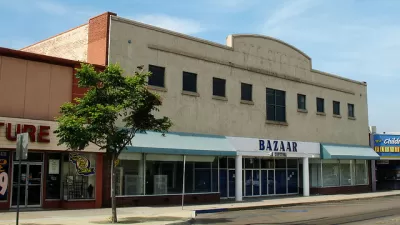
Cities like San Francisco, Oakland, and New York City are considering following Washington, D.C. to implement vacancy taxes. J. Brian Charles writes, "cities are turning to vacant property taxes to nudge property owners of both retail and residential spaces to lease, develop or sell their properties before a short-term vacancy turns into what some cities see as blight."
"In 2016, Washington, D.C., collected $9.4 million in vacancy taxes. Still the effectiveness of the tax remains unclear, according to a 2017 report from Pew Charitable Trusts. When asked, the city could not say how many properties were leased, improved or sold as a result of the tax, according to the Pew report.
A concern is that in hot markets, landlords who may be holding out for high-end renters will end up settling for a national chain. "Levying a tax might drive a landlord to fill a vacancy, but the new tenant may not be the type that made neighborhoods like Greenwich Village, the Mission District in San Francisco or Columbia Heights in Washington, D.C., attractive in the first place." And there's also the worry that physical retail may inevitably decline, replaced by online vendors.
FULL STORY: Cities Now Use Taxes to Fight Blight. Is It Working?

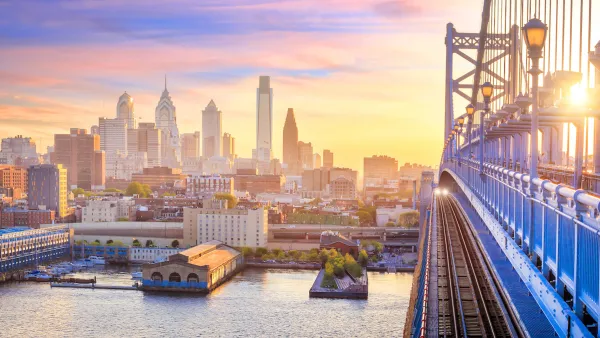
How Effective are Philadelphia’s Keystone Opportunity Zones?
The impacts of a tax break designed to create jobs, stimulate development, and reduce blight are proving hard to track.

Detroit Mayor Proposes Vacant Lot Tax
A new tax plan would reform the city’s famously low vacancy tax rates in an effort to stimulate more housing development and limit speculation.
D.C. Raises Taxes on Vacant and Blighted Properties
It got more expensive to neglect properties in Washington, D.C. this week.

Planetizen Federal Action Tracker
A weekly monitor of how Trump’s orders and actions are impacting planners and planning in America.

The state-sanctioned urbicide of Austin
People don’t kill cities. Freeways do.

US to reduce Colorado River water deliveries to Mexico
A new Colorado Treaty amendment reduces Mexico’s Colorado River water allocation by 250,000 acre feet.

Colorado’s Largest Data Center Could Rise Next to Homes — Without a Public Hearing
The proposed campus would consume 11 times the power of Denver International Airport; as it has across the country, opposition mounts.

5 New England states march closer to 800 megawatt wind energy project
Securing federal approval for the project may be complicated under the Trump administration, which has historically been hostile towards domestic wind power.

Baltimore to break ground on $50 million Transit Priority Project
The project will bring faster bus trips, safer streets and better bike connections to Baltimore.

FREE Course: Walkable City 1: Why Walkability?
After describing his path towards focusing on walkability as the essence of good planning, Jeff Speck marches through his five principal reasons for making more walkable places.
Reinventing Malls: Planning Alchemy—Turning Gray Fields Into Gold
The course focuses on the opportunities and imperatives that shape reinvention of mall sites.

Eagle County Government
Harvard University Graduate School of Design
Nashville Planning Department
The Architects Foundation
University of Cincinnati Online
The Pocatello Development Authority
The Urban Renewal Agency of the City of Pocatello
Journal of the American Planning Association