Climate change is only part of the story, but humans have left a detectable footprint on the distribution of the global water supply.


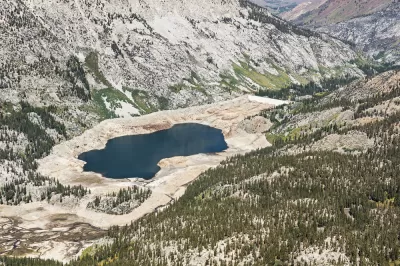
Eric Holthaus shares news of a new study that analyzes data from groundwater-detecting satellites. The results of the study, published in the journal Nature, are "equal parts terrifying and long-expected," according to Holthaus.
The authors used the satellite data to construct a map of 34 rapidly changing regions around the world, painting a unified picture of current hot spots of water scarcity and excess. Nearly every activity that involves people requires water — rice farming, nuclear power, aluminum smelting, you name it — so the lives of people living where reserves are being rapidly depleted are under grave threat.
According to Holthaus, the study makes the future threat of water scarcity abundantly clear.
Read the full story: We can now see how humans have altered Earth’s water resources
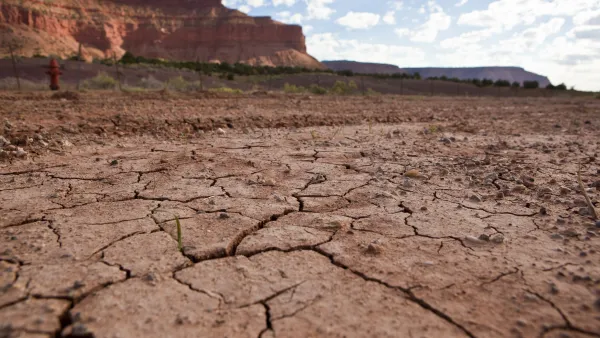
Researchers Propose the Concept of 'Anthropogenic Drought'
As climate change heightens the risk of intense drought periods, a new framework can help scientists better understand the interconnected causes and effects of drought.
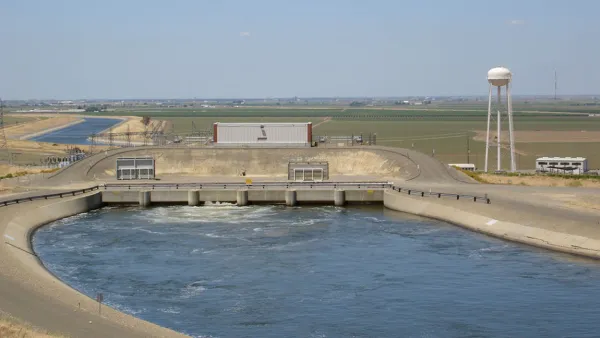
Southern California's Water Conservation and Storage Efforts Paying Off
The region has poured over a billion dollars into storage infrastructure and demand management policies in anticipation of worsening drought conditions.
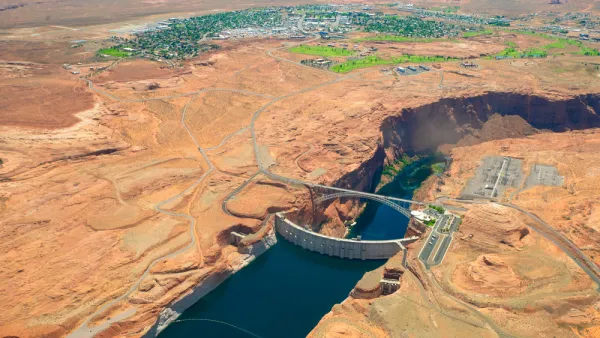
Drought Contingency Plan Triggered for the Colorado River
Signs of worsening drought conditions in the American West are triggering early actions for states that depend on water from the Colorado River.

Planetizen Federal Action Tracker
A weekly monitor of how Trump’s orders and actions are impacting planners and planning in America.

Washington state to charge fee to drivers with fuel-efficient cars
Revenue from the fee will go towards supporting the state’s highways.

Illinois considers spending $1 billion in taxpayer money on data center
A quantum computing campus and data center are currently under construction in Chicago.

‘Demolition of our heritage:’ Some US tribes speak out against BAAJA
A coalition of indigenous groups in the United States are concerned about provisions in the bill that may weaken their ability to halt large energy projects.

How LA’s new mayor plans to tackle affordable housing crisis
Mayor-elect Nithya Raman has proposed overhauling the city’s permitting process.

Interactive map reveals Pennsylvania's abandoned oil, gas wells — many on residential property
It is difficult for residents to know if a well is near their home, or if it poses a threat to them.

FREE Course: Walkable City 1: Why Walkability?
After describing his path towards focusing on walkability as the essence of good planning, Jeff Speck marches through his five principal reasons for making more walkable places.
Reinventing Malls: Planning Alchemy—Turning Gray Fields Into Gold
The course focuses on the opportunities and imperatives that shape reinvention of mall sites.

City of Charlotte
City of Rosemead
Rutgers University, Edward J. Bloustein School of Planning and Public Policy
University of Michigan School for Environment and Sustainability (SEAS)
Hunter College, City University of New York (CUNY)
The Architects Foundation
University District Partnership