Swaths of the city of Philadelphia could see increased parking minimums if a new version of a bill that failed in 2016 makes its way through City Council.


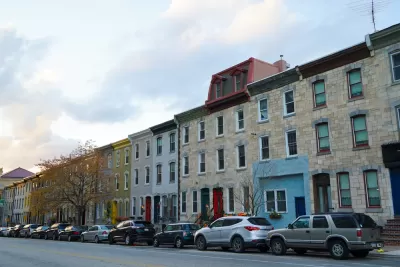
Philadelphia Councilmember Jannie Blackwell has proposed legislation that would significantly parking minimums for multi-family developments around the city.
According to an article by Jake Blumgart, the proposed legislation resurrects a failed bill from 2016 by increasing the amount of required parking spaces for every unit of housing in multi-family residential zoned areas from three parking spots for every ten units to six parking spots for every ten units. Developers would also have to provide seven parking spaces for every ten housing units in industrial-residential mixed use areas, according to Blumgart.
As Blumgart explains, the city's current parking requirements were established when the city completed a zoning overhaul in 2012. Councilmember Blackwell is on the record saying the city should return to one parking spot for every one unit of housing because of the perceived difficulty in parking around the city. The city's Planning Commission disagrees, however, and have already voted unanimously against approval of the bill.
The current debate over parking requirements also emerges in a political moment focused on the creation of affordable housing in the city. Blumgart cites evidence from cities like Los Angeles and Oakland to suggest that raising parking minimums would increase the cost of housing in Philadelphia.
FULL STORY: City Council moves to require more parking in Philly neighborhoods

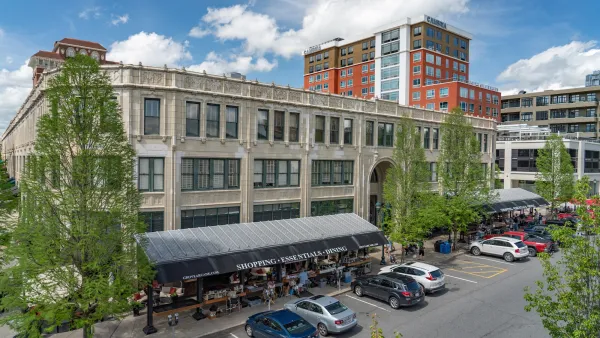
Asheville Could Eliminate Parking Minimums
The city is working on a multiyear overhaul of its Unified Development Ordinance.
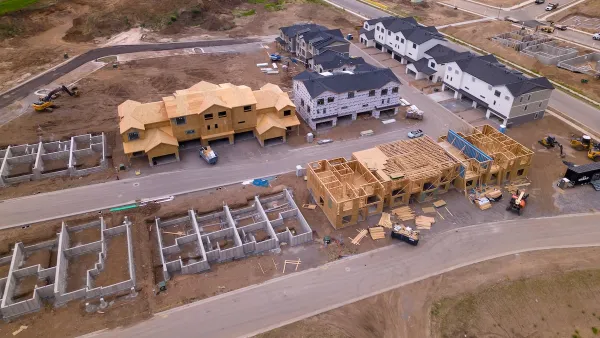
‘Montana Miracle:’ The State Actually Succeeding at Housing Reform
A series of ambitious zoning reforms is having a significant impact on the state’s housing supply.

‘Biggest Little City’ Makes Room for Growth
The mayor of Reno has pushed for reforming housing regulations to support more affordable development.

The state-sanctioned urbicide of Austin
People don’t kill cities. Freeways do.

US to reduce Colorado River water deliveries to Mexico
A new Colorado Treaty amendment reduces Mexico’s Colorado River water allocation by 250,000 acre feet.

New Jersey’s second-largest city bans standalone data centers
Jersey City will continue to allow co-location facilities, such as those meant for research institutions that store their own data.

Amtrak not solely to blame for New Jersey commuter rail's unreliability, report finds
A new study from the Garden State Initiative found that NJ Transit’s budget grew 20% across a 4 year period, but reliability declined significantly over the same period.

EPA erases limits on planet-warming pollution from power plants
Under Monday’s plan, power plants would still have some limits on how much mercury, arsenic and other contaminants they can emit.

Phoenix announces new on-demand transit service, more frequent RAPID buses
Both new services will launch in October, and are part of Phoenix's Project Effective Access Solutions for Easing Congestion.

FREE Course: Walkable City 1: Why Walkability?
After describing his path towards focusing on walkability as the essence of good planning, Jeff Speck marches through his five principal reasons for making more walkable places.
Reinventing Malls: Planning Alchemy—Turning Gray Fields Into Gold
The course focuses on the opportunities and imperatives that shape reinvention of mall sites.

Eagle County Government
Harvard University Graduate School of Design
Nashville Planning Department
The Architects Foundation
University of Cincinnati Online
The Pocatello Development Authority
The Urban Renewal Agency of the City of Pocatello
Journal of the American Planning Association