After examining property taxes for Target, Family Dollar, and Liberty Bank in Chicago, Steven Vance found that nearby dense development paid more per square foot than the big box developments.


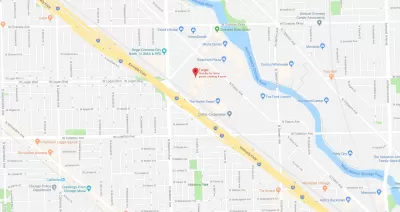
Steven Vance looked at a couple of different developments to see if dense developments did indeed generate more property taxes than big box stores. He looked at the Logan Theater and its neighboring stores and compared them to the same neighborhood's Target store and parking lot in Chicago's Logan Square Neighborhood. Vance found while the Target store paid $1.88 per square foot, the theater development paid $3.01.
"The denser buildings in this analysis generate significantly more taxes for the county, city, parks, schools, and other services than the 'sprawly' buildings," Vance writes in Chicago Cityscape.
Read the full story: Which generates more property taxes: A big box store or a dense building?

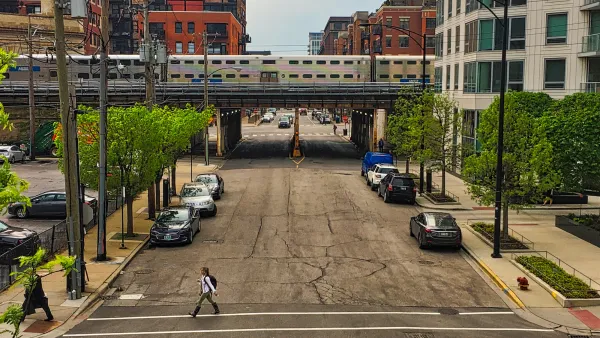
Chicago eliminates parking requirements near transit
In 2025, Illinois barred cities from mandating parking near train and bus stations.
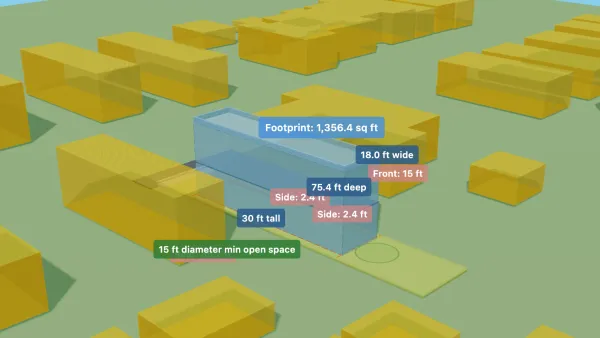
Interactive, 3D Chicago Zoning Map Lets You Visualize Potential Development
A new tool creates a visual model of potential development on Chicago lots based on the property’s specific zoning regulations.
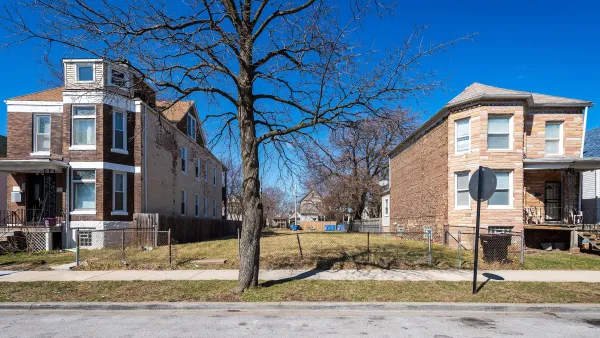
Chicago Breaks Ground on Vacant Lots Sold for $1 to 'Rebuild Middle-class Housing.'
The city’s Missing Middle Infill Housing program supports development in distressed neighborhoods.

Planetizen Federal Action Tracker
A weekly monitor of how Trump’s orders and actions are impacting planners and planning in America.

The state-sanctioned urbicide of Austin
People don’t kill cities. Freeways do.

Colorado’s Largest Data Center Could Rise Next to Homes — Without a Public Hearing
The proposed campus would consume 11 times the power of Denver International Airport; as it has across the country, opposition mounts.

Judges permit Denver to divert 77,000 acre feet from the Colorado River for reservoir expansion
Overuse and climate change have caused the Colorado River’s water levels to plummet.

Amtrak, CN end decades-long dispute with eight-year agreement
The new operating agreement establishes an updated framework for the companies to work together, including processes to resolve disputes.

Raised interest rates may kill financially vulnerable construction projects
The chief economist at ConstructConnect warns that if construction project owners are negatively impacted by the raised rates, it could result in delayed payments to contractors.

FREE Course: Walkable City 1: Why Walkability?
After describing his path towards focusing on walkability as the essence of good planning, Jeff Speck marches through his five principal reasons for making more walkable places.
Reinventing Malls: Planning Alchemy—Turning Gray Fields Into Gold
The course focuses on the opportunities and imperatives that shape reinvention of mall sites.

KFH Group Inc.
Greater Baltimore Committee
Eagle County Government
The Architects Foundation
University of Cincinnati Online
The Pocatello Development Authority
The Urban Renewal Agency of the City of Pocatello