The first month of a three-year pilot program that legalizes the construction and conversion of coach houses—a local form of accessory dwelling unit—is responding to strong demand in Chicago.



Sarah Freishat reports: "Applications to build coach houses, basement units and attic apartments poured in during the first month of a pilot program in Chicago, as the addition of units became legal in the city for the first time in nearly 65 years."
In all, the city received more than 150 applications for coach house construction or conversion projects in the first month of the program, according to Freishat.
"The program is designed to expand access to moderate-cost and affordable housing, provide space for multigenerational living, and generate revenue property owners can use to offset taxes, maintenance and other home expenses," explains Freishat. For now, the program is limited to five zones within the city. The results of the pilot program will determine where and how to expand the program in the future.
More details on the opportunities and constraints of the new program can be found in the source article.
Read the full story: More than 150 people applied to build coach house and conversion units in the first month of a Chicago pilot program intended to

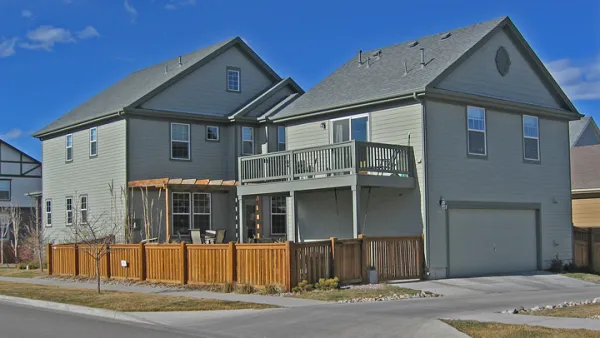
Mayor Lightfoot Expected to Push for Legal Coach Houses in Chicago
Mayor Lori Lightfoot is expected to introduce legislation that would relax zoning restrictions on coach houses, known widely as accessory dwelling units, in the city of Chicago.

Chicago ADU Law Gives Alderpeople Veto Power
After years of debate, the city approved an ordinance that legalizes ADUs in some neighborhoods, but gives alderpeople the power to restrict them in single-family zones.
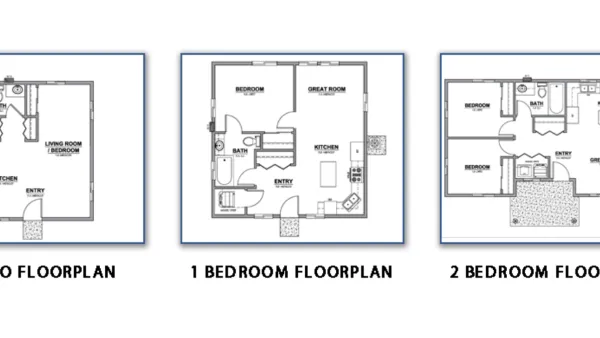
'Permit Ready Plans' for ADUs Published in Stockton, California
Cities looking to provide incentive for the construction of accessory dwelling units are increasingly released "permit ready plans" to help the cause.

Planetizen Federal Action Tracker
A weekly monitor of how Trump’s orders and actions are impacting planners and planning in America.

Northwest rail fans eager for Sept. 30 debut of Amtrak’s Airo fleet
Get ready for that new train smell and more seats. But they won’t go faster or run more frequently on the Cascades route in Washington and Oregon.

Record-breaking wildlife overpass in Colorado brings 91% reduction in animal collisions
Prior to the overpass, vehicles were hitting one deer per day on Colorado’s Interstate 25.

Detroit to transform waterfront with $2.2 billion investment
Developers will convert about 18 acres of unused parking lot space into civic spaces.

‘Going backwards:’ Baltimore mayor, students rally against state's transit funding plan
Maryland's proposed six-year plan provides no funding for Baltimore’s BMORE bus program and reduces its road maintenance funding.

Trump wants to cancel nearly 98% of funding for HUD housing support program
Multiple housing groups are suing the administration in an effort to preserve the funding.

FREE Course: Walkable City 1: Why Walkability?
After describing his path towards focusing on walkability as the essence of good planning, Jeff Speck marches through his five principal reasons for making more walkable places.
Reinventing Malls: Planning Alchemy—Turning Gray Fields Into Gold
The course focuses on the opportunities and imperatives that shape reinvention of mall sites.

City of Thousand Oaks
City of Wisconsin Rapids
Harvard University Graduate School of Design
The Architects Foundation
University of Cincinnati Online
Northern Illinois Transit Authority (NITA)
The Pocatello Development Authority
The Urban Renewal Agency of the City of Pocatello