A new report by the New York City Comptroller's Office has estimated the cost of Airbnb to the city's rental market, and the tab is a big one: $616 million in 2016 alone.


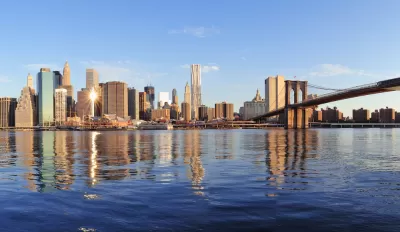
Christine Maurus reports on the findings of the study, which isolated the Airbnb effect in the rental housing market by "[comparing] the growth in what rents would have been without listings on the site to what they actually were."
The report operates from the premise that when owners rent their apartments for short-term rentals, they effectively take those apartments of the market, "reducing the supply of housing and pushing up the cost of what remains," according to Maurus. "For each 1 percent of all residential units in a neighborhood listed on Airbnb, rents in that neighborhood went up 1.58 percent, Stringer said. The estimated $616 million impact is for 2016 alone."
A statement from Airbnb Inc. issued a rebuttal of the report, finding issues with the methodology.
FULL STORY: NYC Renters Paid Extra $616 Million Thanks to Airbnb, Study Says

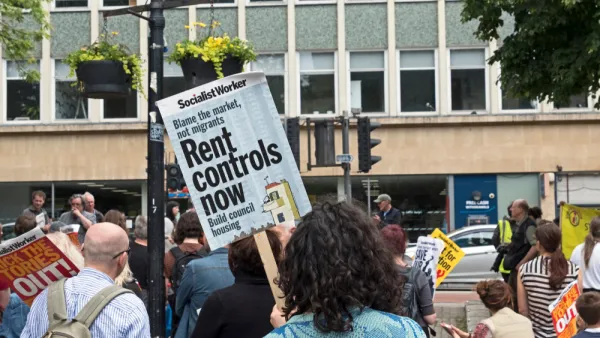
Another Rent Control Initiative on the Ballot in California
There are significant differences between Proposition 21, a statewide rent control measure on the ballot in California, compared to a similar measure defeated soundly by voters in 2018.
Rent Control for New York City Could Spillover Effect to the Rest of the State
The housing crisis isn't the same in every corner of New York State, but new rent control measures in the state legislature could apply solutions intended for the New York City rental market to the entire state.
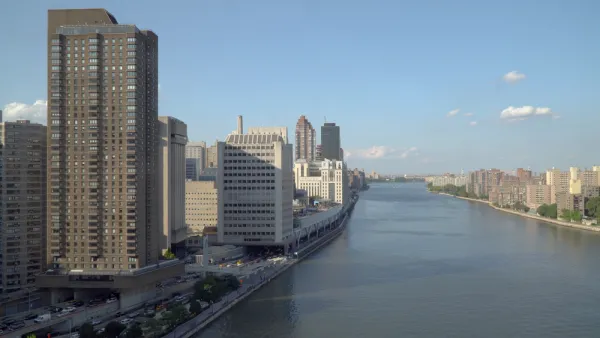
Rents Falling in New York City; New Supply Gets Credit
New York City is seeing an adjustment in the rental market as landlords struggle to compete for renters in a suddenly crowded market.

Planetizen Federal Action Tracker
A weekly monitor of how Trump’s orders and actions are impacting planners and planning in America.

The state-sanctioned urbicide of Austin
People don’t kill cities. Freeways do.

US to reduce Colorado River water deliveries to Mexico
A new Colorado Treaty amendment reduces Mexico’s Colorado River water allocation by 250,000 acre feet.

5 New England states march closer to 800 megawatt wind energy project
Securing federal approval for the project may be complicated under the Trump administration, which has historically been hostile towards domestic wind power.

Baltimore to break ground on $50 million Transit Priority Project
The project will bring faster bus trips, safer streets and better bike connections to Baltimore.

Airbnb launches $250 million 'last-dollar financing' housing accelerator, makes first investment in Austin
The company will put $6.4 million towards affordable housing development in Texas’ capital.

FREE Course: Walkable City 1: Why Walkability?
After describing his path towards focusing on walkability as the essence of good planning, Jeff Speck marches through his five principal reasons for making more walkable places.
Reinventing Malls: Planning Alchemy—Turning Gray Fields Into Gold
The course focuses on the opportunities and imperatives that shape reinvention of mall sites.

Eagle County Government
Harvard University Graduate School of Design
Nashville Planning Department
The Architects Foundation
University of Cincinnati Online
The Pocatello Development Authority
The Urban Renewal Agency of the City of Pocatello
Journal of the American Planning Association