Public concern boiled over last week at a town hall meeting intended to discuss the proposed development of a stadium to house Temple University's football team in North Philadelphia.


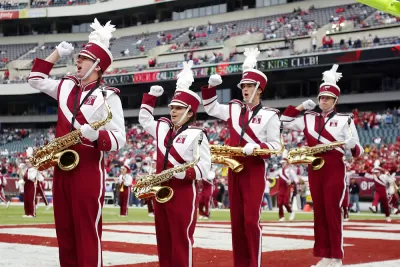
"Protesters shut down a Temple University town hall meeting called to discuss plans for a controversial football stadium within 10 minutes of its start [last week], reports Julia Terruso.
According to a second article by Terruso, the "forum was the first public meeting Temple had held since announcing plans to build a 35,000-seat stadium on campus two years ago." That long lack of engagement with the community "might have doomed" the town hall meeting before it began," according to Terruso.
The stadium plan would spend $130 million to build the stadium; the university would also fund a special services district, run by a community board. Temple University owns the land on which the football stadium would be built.
Philadelphia Inquirer Architecture Critic Inga Saffron also provided follow up coverage of the heated town hall meeting, providing insight in the motivations of the "grandmotherly residents" who orchestrated the town hall meeting protest. "Part of what drives the opposition to the stadium, [Ruth] Birchett said, is the feeling that their North Philadelphia neighborhood is being ignored, not just by Temple, but by their elected officials," explains Saffron. Saffron has already publicly criticized the project's planning.
FULL STORY: Protesters shut down Temple football stadium town hall


Is Twitter Still an Effective Planning Tool?
Twitter has been a daily dose of drama and upheaval ever since Elon Musk offered to pay over $40 billion to buy the social media platform. Media outlets and public transit agencies had been abandoning the social media platform—should planners?
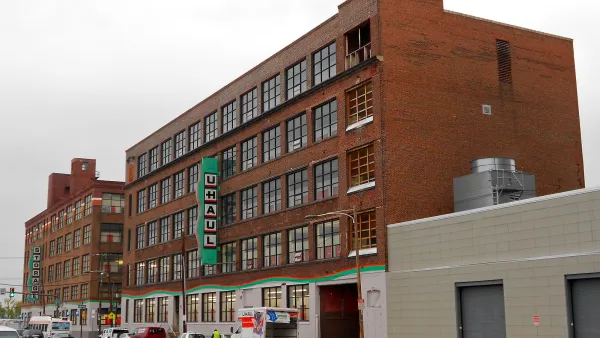
Why a Complete Streets Makeover Went Awry in Philadelphia
The city pulled the plug on a proposed street redesign after community groups criticized the public engagement process for not listening to all local voices.
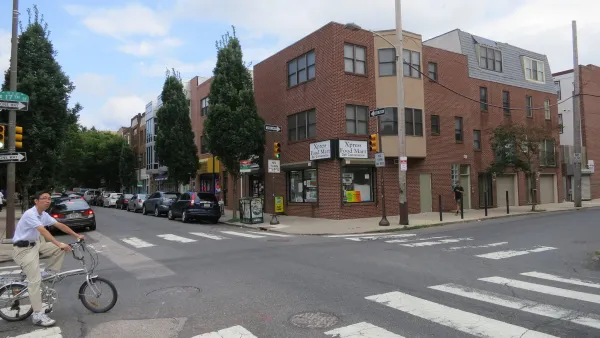
Density Skepticism and Neighborhood Protection
Resistance mounts to the zoning reforms gaining traction in the United States.

The state-sanctioned urbicide of Austin
People don’t kill cities. Freeways do.

US to reduce Colorado River water deliveries to Mexico
A new Colorado Treaty amendment reduces Mexico’s Colorado River water allocation by 250,000 acre feet.

New Jersey’s second-largest city bans standalone data centers
Jersey City will continue to allow co-location facilities, such as those meant for research institutions that store their own data.

Amtrak not solely to blame for New Jersey commuter rail's unreliability, report finds
A new study from the Garden State Initiative found that NJ Transit’s budget grew 20% across a 4 year period, but reliability declined significantly over the same period.

EPA erases limits on planet-warming pollution from power plants
Under Monday’s plan, power plants would still have some limits on how much mercury, arsenic and other contaminants they can emit.

Phoenix announces new on-demand transit service, more frequent RAPID buses
Both new services will launch in October, and are part of Phoenix's Project Effective Access Solutions for Easing Congestion.

FREE Course: Walkable City 1: Why Walkability?
After describing his path towards focusing on walkability as the essence of good planning, Jeff Speck marches through his five principal reasons for making more walkable places.
Reinventing Malls: Planning Alchemy—Turning Gray Fields Into Gold
The course focuses on the opportunities and imperatives that shape reinvention of mall sites.

Eagle County Government
Harvard University Graduate School of Design
Nashville Planning Department
The Architects Foundation
University of Cincinnati Online
The Pocatello Development Authority
The Urban Renewal Agency of the City of Pocatello
Journal of the American Planning Association