Despite a turbulent year for the university, Temple presses ahead with plans for a new football stadium in a dense residential area.


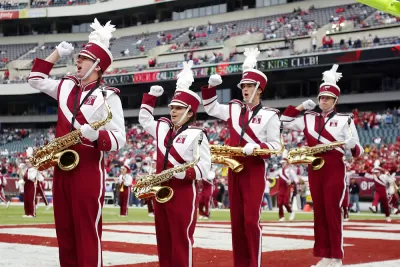
Temple University plans to build a new football stadium on Broad Street in North Philadelphia. In a critique of the proposal for the Philadelphia Inquirer, Inga Saffron argues that the disruption the stadium would cause to the neighborhood is not worth the advantages the stadium might bring. Saffron is particularly concerned about the closure of 15th Street. The planned stadium would need to cover two city blocks and the current plan would leave 15th Street dead-ending into the stadium at Norris and Berks Streets. Currently, 15th is one of the only streets that runs southbound and unblocked all the way to Central City. Saffron argues that, "Though there are certainly streets that can be given up to improve the quality of life in Philadelphia, 15th is not one of them. The impact of the closure would ripple through the whole city."
Supporters of the plan argue that it will give the fans of Temple's football team a chance to access a stadium through public transit and that the location will save the university a great deal on rent. But, Saffron contends, it will cost the neighborhood and the city more than it will save the university.
FULL STORY: Temple football stadium would disrupt more than the neighborhood

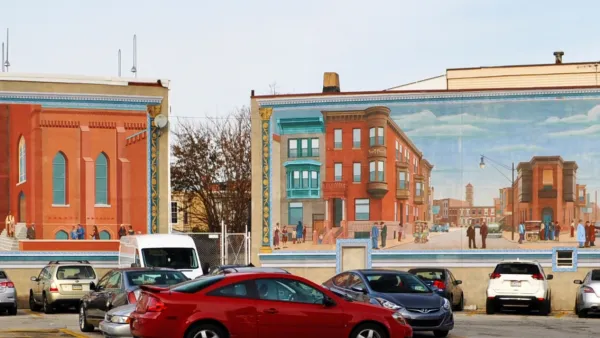
Philadelphia's downtown parking lots are a 'valuable, untapped resource'
Over two dozen city-owned parking lots could be developed into housing or other uses.
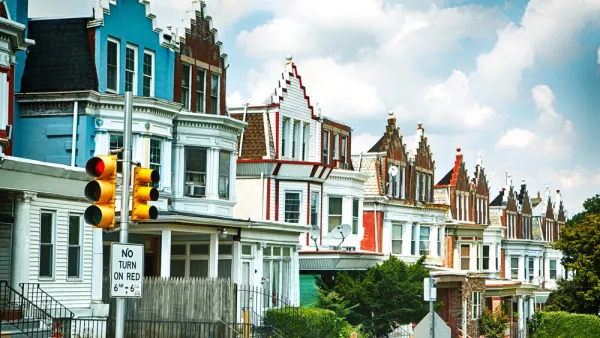
Examining Philadelphia’s Zoning Overlay Districts
A decades-old policy allowing hyperlocal zoning exemptions and restrictions creates a confusing patchwork of zoning regulations across the city.
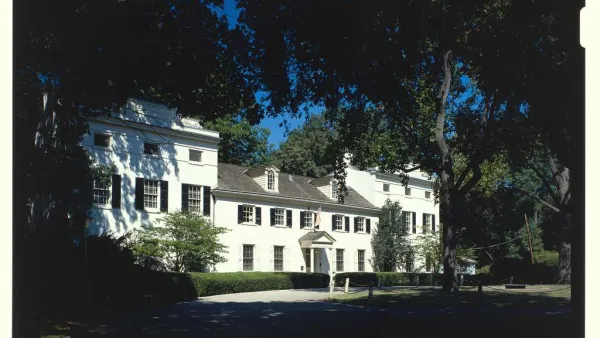
Philadelphia Neighborhoods Leverage Zoning Overlays for Local Control
Overlay districts provide a tool for guiding the future of development and environmental controls at the neighborhood level.

Planetizen Federal Action Tracker
A weekly monitor of how Trump’s orders and actions are impacting planners and planning in America.

The state-sanctioned urbicide of Austin
People don’t kill cities. Freeways do.

US to reduce Colorado River water deliveries to Mexico
A new Colorado Treaty amendment reduces Mexico’s Colorado River water allocation by 250,000 acre feet.

5 New England states march closer to 800 megawatt wind energy project
Securing federal approval for the project may be complicated under the Trump administration, which has historically been hostile towards domestic wind power.

Baltimore to break ground on $50 million Transit Priority Project
The project will bring faster bus trips, safer streets and better bike connections to Baltimore.

Airbnb launches $250 million 'last-dollar financing' housing accelerator, makes first investment in Austin
The company will put $6.4 million towards affordable housing development in Texas’ capital.

FREE Course: Walkable City 1: Why Walkability?
After describing his path towards focusing on walkability as the essence of good planning, Jeff Speck marches through his five principal reasons for making more walkable places.
Reinventing Malls: Planning Alchemy—Turning Gray Fields Into Gold
The course focuses on the opportunities and imperatives that shape reinvention of mall sites.

Eagle County Government
Harvard University Graduate School of Design
Nashville Planning Department
The Architects Foundation
University of Cincinnati Online
The Pocatello Development Authority
The Urban Renewal Agency of the City of Pocatello
Journal of the American Planning Association